View page in desktop
|
Report error
  •   Apple app store icon
  • Google play store icon
Terms of Service
|
Privacy Policy
|
PDPA
|
Site Map
©2004-2026 Sgcarmart, Singapore. All rights reserved.
  • Home
  • Car Articles
  • advice
  • advice Listings
  • Miscellaneous Advice
  • Do you need to run in your new car?

    07 Dec 2020

    |

    20,812 views

    Why do you need to run-in your new car? How do you run-in your car? Or if you're clueless - What is running in your car? Read on to find out everything about it.


    Congratulations on getting the keys to your new car! We know you're itching to take it for a spin but, before you speed off, bear in mind that you need to run-in your new car!

    The parts in your new car are in their new factory condition and require an adjustment period to settle in or, a run-in period. Though advances in technology have superseded this process, many car manufacturers still detail procedures that drivers should follow when they run-in or break-in their new car.
     
     
    How is my car different during the run-in period?

    Your car will not reach its full potential until the end of the break-in process. For example, your brake pads are the softest when they're new and cannot deliver 100% of its stopping power until a proper run-in.

    It should not require an extreme change to a person's regular driving style - unless you drive like a madman.
     
     
    What is the ideal run-in period?
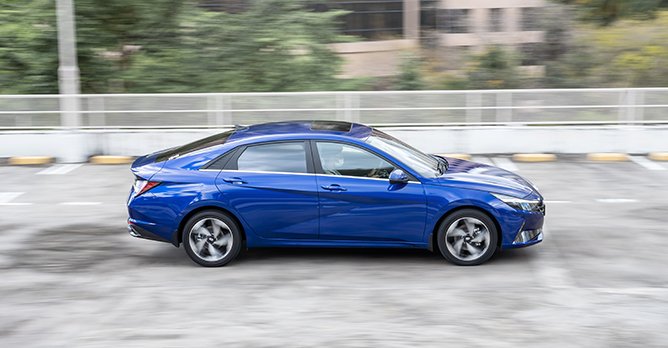
    Have patience! You'll hit 5000km in two to three months (depending on how often you drive)
    There has been no universal consensus on the optimal run-in period for a new car. Official sources from BMW and Toyota state a run-in of 2,000km and 1,600km respectively while other sources (like what most local Parallel Importers and Authorised Dealers will tell you) claim that it should extend up to 5,000km.

    In my opinion, it is better to be 'kiasu' and run in your car for at least 5000km to let all the parts settle and start working under ideal operating conditions before doing any crazy revving.
     
     
    How do I run-in my car?

    Just follow these four easy steps!
    1. Avoid hard acceleration
    2. Drive in different conditions
    3. Keep your speeds low
    4. Use manufacturer recommended oil
     
    Avoid hard acceleration

    Picking up speed will be excruciatingly slow during the run-in period. Best to keep to the left especially on the expressway
    When you get a new car, the temptation to over-rev your engine will be high.

    However, be gentle on your throttle, especially during its run-in period as a higher rpm would mean a greater strain on your internal engine components.

    Just follow this simple guide on when you should increase your RPMs, and you'll be able to hit the max in no time:

    Petrol CarsDiesel Cars
    First 1000kmLess than 2500 RPMLess than 2200 RPM
    Next 500km3000 RPM2500 - 2800 RPM
    Next 1000km    Gradually increase to the maximumGradually increase to the maximum
     
     
    Drive in different conditions

    During your run-in period, do not travel at constant speeds. Ideally, it would be best if you varied your engine speeds during your run-in period to expose your engine through different RPM speeds. Stay away from cruise control and avoid long trips or getting stuck in bumper-to-bumper traffic.
     
     
    Keep speeds low

    The faster you drive, the harder you brake. Your new brakes will not thank you for it
    Driving at faster speeds means you need to brake harder at sudden stops and that wears out your brake pads.

    The friction material on your brake pads is the softest when new. Under very hard braking, this material will come off in uneven patches across the surface of the rotors - leading to rotor wrapping and brake system damage.

    Start slowly, gradually build up speed and go easy on the brakes.
     
     
    Use manufacturer recommended oil

    Always follow your car manufacturer's manual as to which type of oil you should use
    Engine oil comes in different viscosity grades and quality levels. To maintain efficiency and lifespan of your engine, always follow your car manufacturer's manual for the required type needed to run your car engine.

    Some cars run on either mineral or synthetic oil, while others require you to use manufacturer grade oil exclusively. To know more, here are 8 engine oil misconceptions you shouldn’t believe.
     
     
    In conclusion

    Keep in mind these few tips, and it will help to add to the performance and life of your new vehicle. You will also save yourself unnecessary trips to the workshop and reduce your car running costs. Aside from your engine, check out this article for tips on keeping your new car in showroom condition.

    Be sure to also check your car manufacturer's handbook for any specific run-in procedures, and you're all set for your new drive! If you haven't bought a car yet, check out this guide on what to do and expect when you are looking for a new car.
     
     
    Here are some other articles that might interest you

    Essential items for new car owners

    Buying a car? This is how you can get the best deal

    Neglecting these things in your car will cost you a fortune

    The advantages and disadvantages of used and new cars

    What makes cars so expensive in Singapore?
    Freelancer
    Text by Emily Lee
    I've been writing about cars for many years, and I wonder if I'm getting any better at it.
    Photos by Editorial & Stock Images
    24.4k

    Tags

    do i need to run in my new car new car run in car run in break in car breaking in your car new car parts running in your new car running in new car run in period new car new car driving tips buying a new car

    AllReviewsNewsAdviceFeaturesVideos
    • Home
    • Car Articles
    • advice
    • advice Listings
    • Miscellaneous Advice

    Do you need to run in your new car?

    07 Dec 2020

    |

    20,812 views

    Why do you need to run-in your new car? How do you run-in your car? Or if you're clueless - What is running in your car? Read on to find out everything about it.


    Congratulations on getting the keys to your new car! We know you're itching to take it for a spin but, before you speed off, bear in mind that you need to run-in your new car!

    The parts in your new car are in their new factory condition and require an adjustment period to settle in or, a run-in period. Though advances in technology have superseded this process, many car manufacturers still detail procedures that drivers should follow when they run-in or break-in their new car.
     
     
    How is my car different during the run-in period?

    Your car will not reach its full potential until the end of the break-in process. For example, your brake pads are the softest when they're new and cannot deliver 100% of its stopping power until a proper run-in.

    It should not require an extreme change to a person's regular driving style - unless you drive like a madman.
     
     
    What is the ideal run-in period?

    Have patience! You'll hit 5000km in two to three months (depending on how often you drive)
    There has been no universal consensus on the optimal run-in period for a new car. Official sources from BMW and Toyota state a run-in of 2,000km and 1,600km respectively while other sources (like what most local Parallel Importers and Authorised Dealers will tell you) claim that it should extend up to 5,000km.

    In my opinion, it is better to be 'kiasu' and run in your car for at least 5000km to let all the parts settle and start working under ideal operating conditions before doing any crazy revving.
     
     
    How do I run-in my car?

    Just follow these four easy steps!
    1. Avoid hard acceleration
    2. Drive in different conditions
    3. Keep your speeds low
    4. Use manufacturer recommended oil
     
    Avoid hard acceleration
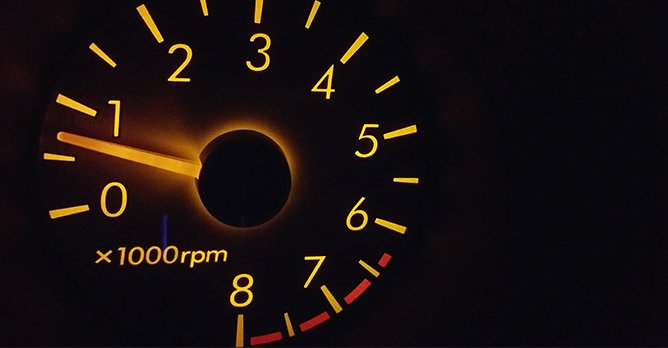
    Picking up speed will be excruciatingly slow during the run-in period. Best to keep to the left especially on the expressway
    When you get a new car, the temptation to over-rev your engine will be high.

    However, be gentle on your throttle, especially during its run-in period as a higher rpm would mean a greater strain on your internal engine components.

    Just follow this simple guide on when you should increase your RPMs, and you'll be able to hit the max in no time:

    Petrol CarsDiesel Cars
    First 1000kmLess than 2500 RPMLess than 2200 RPM
    Next 500km3000 RPM2500 - 2800 RPM
    Next 1000km    Gradually increase to the maximumGradually increase to the maximum
     
     
    Drive in different conditions

    During your run-in period, do not travel at constant speeds. Ideally, it would be best if you varied your engine speeds during your run-in period to expose your engine through different RPM speeds. Stay away from cruise control and avoid long trips or getting stuck in bumper-to-bumper traffic.
     
     
    Keep speeds low
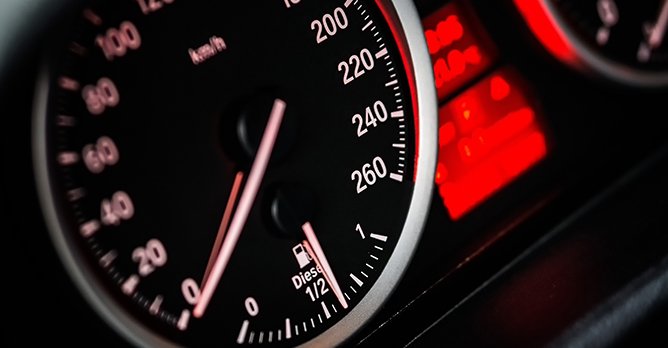
    The faster you drive, the harder you brake. Your new brakes will not thank you for it
    Driving at faster speeds means you need to brake harder at sudden stops and that wears out your brake pads.

    The friction material on your brake pads is the softest when new. Under very hard braking, this material will come off in uneven patches across the surface of the rotors - leading to rotor wrapping and brake system damage.

    Start slowly, gradually build up speed and go easy on the brakes.
     
     
    Use manufacturer recommended oil
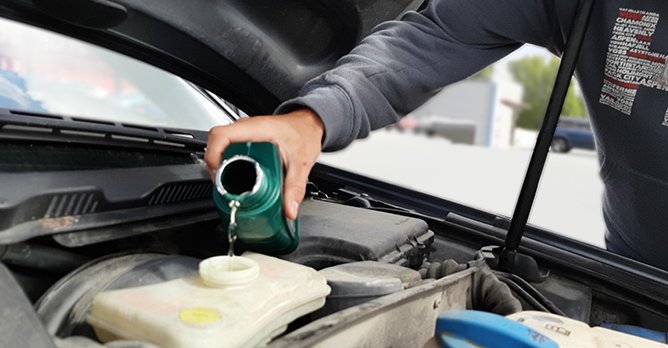
    Always follow your car manufacturer's manual as to which type of oil you should use
    Engine oil comes in different viscosity grades and quality levels. To maintain efficiency and lifespan of your engine, always follow your car manufacturer's manual for the required type needed to run your car engine.

    Some cars run on either mineral or synthetic oil, while others require you to use manufacturer grade oil exclusively. To know more, here are 8 engine oil misconceptions you shouldn’t believe.
     
     
    In conclusion

    Keep in mind these few tips, and it will help to add to the performance and life of your new vehicle. You will also save yourself unnecessary trips to the workshop and reduce your car running costs. Aside from your engine, check out this article for tips on keeping your new car in showroom condition.

    Be sure to also check your car manufacturer's handbook for any specific run-in procedures, and you're all set for your new drive! If you haven't bought a car yet, check out this guide on what to do and expect when you are looking for a new car.
     
     
    Here are some other articles that might interest you

    Essential items for new car owners

    Buying a car? This is how you can get the best deal

    Neglecting these things in your car will cost you a fortune

    The advantages and disadvantages of used and new cars

    What makes cars so expensive in Singapore?

    Freelancer
    Text by Emily Lee
    I've been writing about cars for many years, and I wonder if I'm getting any better at it.
    Photos by Editorial & Stock Images
    24.4k

    Tags

    do i need to run in my new car new car run in car run in break in car breaking in your car new car parts running in your new car running in new car run in period new car new car driving tips buying a new car

    buy a new car
    drive a new car
    driving a new car
    how to drive a new car
    buy a new car
    drive a new car
    driving a new car
    how to drive a new car

    All Advice Categories

    Car BuyingCar SellingCar OwnershipCar TechnicalCar MaintenanceMiscellaneous

    All Advice Categories

    Car BuyingCar SellingCar OwnershipCar TechnicalCar MaintenanceMiscellaneous

    Related Motor Directory Categories

      Audio System - In Car EntertainmentKeys & RemoteCar Towing & Roadside AssistanceDecals, Stickers & Number PlatesCar MatsMobile Battery & Tyre Replacement

    Related Motor Directory Categories

      Audio System - In Car EntertainmentKeys & RemoteCar Towing & Roadside AssistanceDecals, Stickers & Number PlatesCar MatsMobile Battery & Tyre Replacement

    Related Articles

    Must-Have Car Accessories Every EV Driver Should Own

    Must-Have Car Accessories Every EV Driver Should Own

    New to driving? Here's how to become a better driver

    New to driving? Here's how to become a better driver

    Elevate every drive with these car audio upgrades

    Elevate every drive with these car audio upgrades

    Value-for-Money Servicing Packages for Your Car

    Value-for-Money Servicing Packages for Your Car

    Related Articles

    Must-Have Car Accessories Every EV Driver Should Own

    Must-Have Car Accessories Every EV Driver Should Own

    New to driving? Here's how to become a better driver

    New to driving? Here's how to become a better driver

    Elevate every drive with these car audio upgrades

    Elevate every drive with these car audio upgrades

    Value-for-Money Servicing Packages for Your Car

    Value-for-Money Servicing Packages for Your Car

    You May Also Like

    Sgcarmart Explores: Bras Basah!

    Sgcarmart Explores: Bras Basah!

    New cars are safer: Opt for one when you can

    New cars are safer: Opt for one when you can

    Maxus MIFA 7 Elite: Going big for the little moments

    Maxus MIFA 7 Elite: Going big for the little moments

    Sgcarmart Explores: East Coast Park!

    Sgcarmart Explores: East Coast Park!

    Opinion: Why do we even need green number plates?

    Opinion: Why do we even need green number plates?

    The BYD Sealion 8 seven-seater SUV arrives in Singapore

    The BYD Sealion 8 seven-seater SUV arrives in Singapore

    Must-Have Car Accessories Every EV Driver Should Own

    Must-Have Car Accessories Every EV Driver Should Own

    The all new XPENG Mona L03 is one smart coupe SUV

    The all new XPENG Mona L03 is one smart coupe SUV

    Hongqi Singapore opens its showroom doors

    Hongqi Singapore opens its showroom doors

    Ferrari 849 Testarossa Spider - with the sky included

    Ferrari 849 Testarossa Spider - with the sky included

    Mercedes-Benz GLB250+ Review

    Mercedes-Benz GLB250+ Review

    A first look at Chery's iCaur V23 and Jaecoo J8 in Singapore

    A first look at Chery's iCaur V23 and Jaecoo J8 in Singapore

    The 5 main things you must know about the XPENG L03

    The 5 main things you must know about the XPENG L03

    Tesla launches Model Y L in Singapore, first six-seater here

    Tesla launches Model Y L in Singapore, first six-seater here

    New to driving? Here's how to become a better driver

    New to driving? Here's how to become a better driver

    BMW iX3 Review

    BMW iX3 Review

    You May Also Like

    Sgcarmart Explores: Bras Basah!

    Sgcarmart Explores: Bras Basah!

    New cars are safer: Opt for one when you can

    New cars are safer: Opt for one when you can

    Maxus MIFA 7 Elite: Going big for the little moments

    Maxus MIFA 7 Elite: Going big for the little moments

    Sgcarmart Explores: East Coast Park!

    Sgcarmart Explores: East Coast Park!

    Opinion: Why do we even need green number plates?

    Opinion: Why do we even need green number plates?

    The BYD Sealion 8 seven-seater SUV arrives in Singapore

    The BYD Sealion 8 seven-seater SUV arrives in Singapore

    Must-Have Car Accessories Every EV Driver Should Own

    Must-Have Car Accessories Every EV Driver Should Own

    The all new XPENG Mona L03 is one smart coupe SUV

    The all new XPENG Mona L03 is one smart coupe SUV

    Hongqi Singapore opens its showroom doors

    Hongqi Singapore opens its showroom doors

    Ferrari 849 Testarossa Spider - with the sky included

    Ferrari 849 Testarossa Spider - with the sky included

    Mercedes-Benz GLB250+ Review

    Mercedes-Benz GLB250+ Review

    A first look at Chery's iCaur V23 and Jaecoo J8 in Singapore

    A first look at Chery's iCaur V23 and Jaecoo J8 in Singapore

    The 5 main things you must know about the XPENG L03

    The 5 main things you must know about the XPENG L03

    Tesla launches Model Y L in Singapore, first six-seater here

    Tesla launches Model Y L in Singapore, first six-seater here

    New to driving? Here's how to become a better driver

    New to driving? Here's how to become a better driver

    BMW iX3 Review

    BMW iX3 Review