While Proton Cars was formed only in 1983, its story started several years before that - in 1979, then Prime Minister of Malaysia, Tun Dr. Mahathir Mohamad had a vision for Malaysia to have its own national vehicle, a plan to accelerate the nation's industrialisation.
That year, the National Car Project was presented to Malaysia's Government. Fast forward to May 1983, and Perusahaan Otomobil Nasional (National Automobile Enterprise) - Proton, was officially incorporated.
The start of a Saga
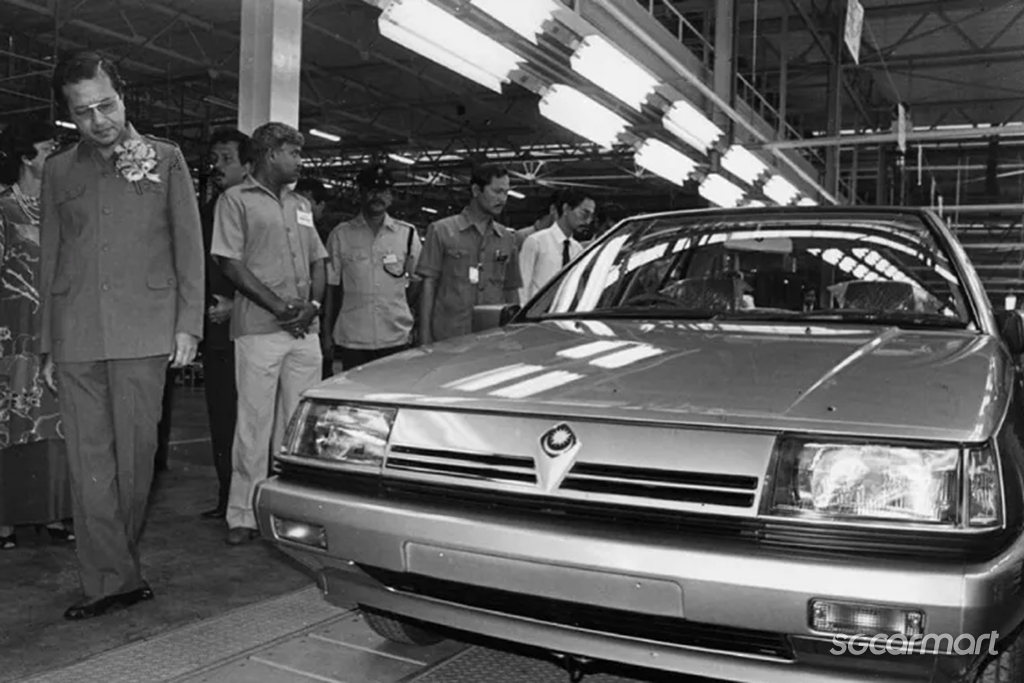
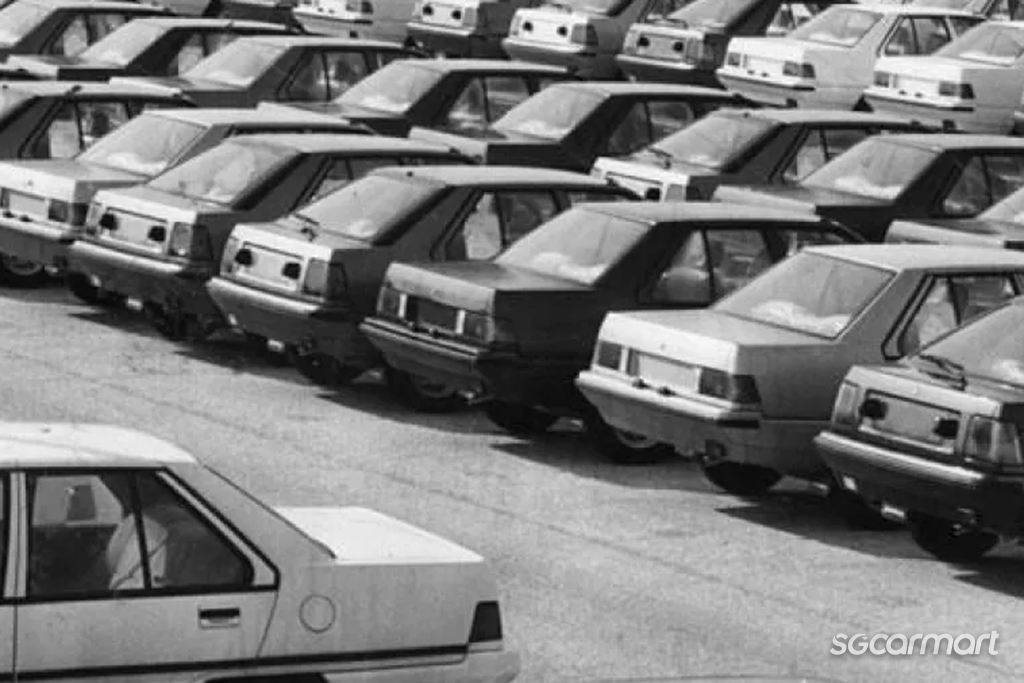
In 1985, Dr. Mahathir officially launched Malaysia's first national car, the Proton Saga. The Proton Saga was manufactured at the Proton HICOM factory in Shah Alam, Selangor, Malaysia.
As Proton was a joint venture between Heavy Industries Corporation of Malaysia (HICOM), Mitsubishi Motors Corporation (MMC) and its marketing arm, the Proton Saga was based on the 1983 Mitsubishi Lancer Fiore platform and powered by Mitsubishi engines.
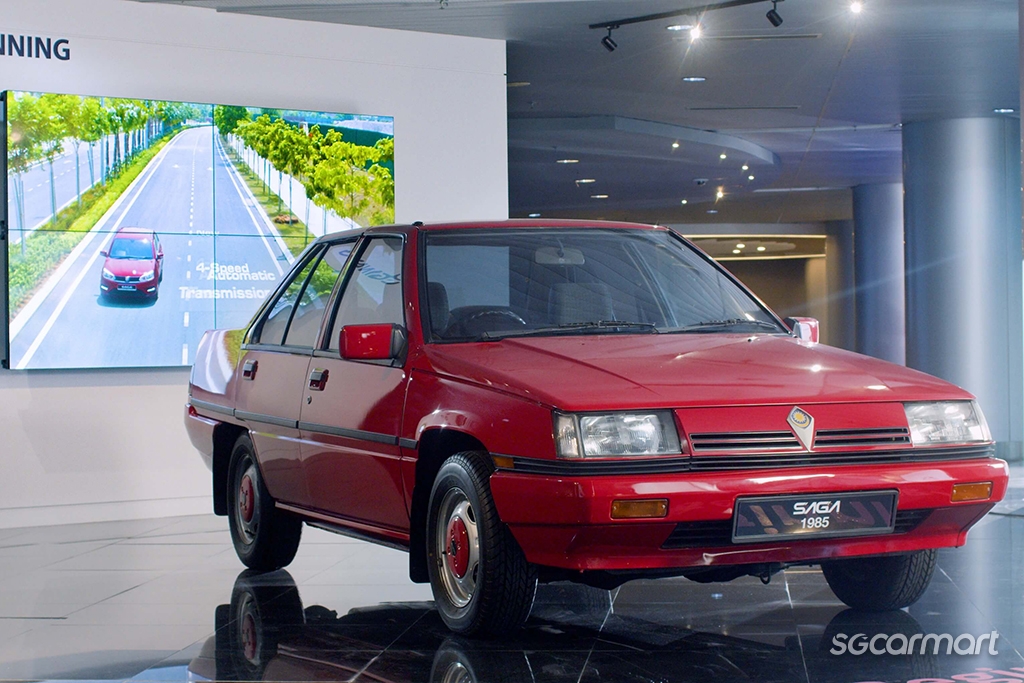
Over the next couple of years, the Proton Saga was exported to various regions, including Bangladesh, U.K. and Ireland - the Proton Saga 1.5 Aeroback model was also launched in 1987.
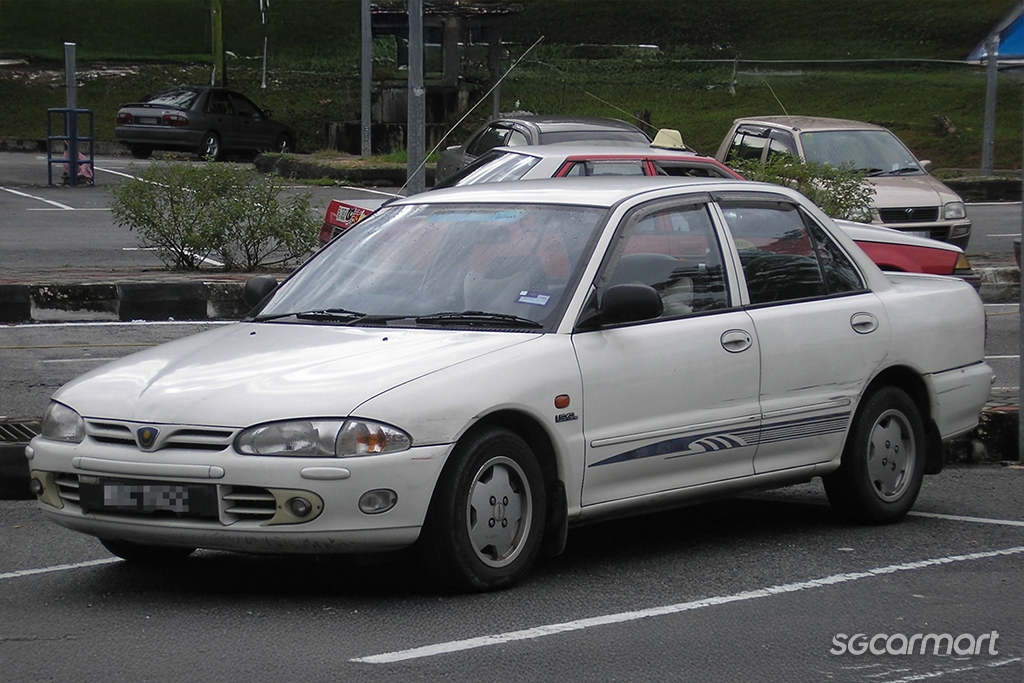
Proton continued to grow throughout the 90s, entering more markets, and introducing models such as the Proton Wira, Perdana and Tiara.
Blooming into glow-up season
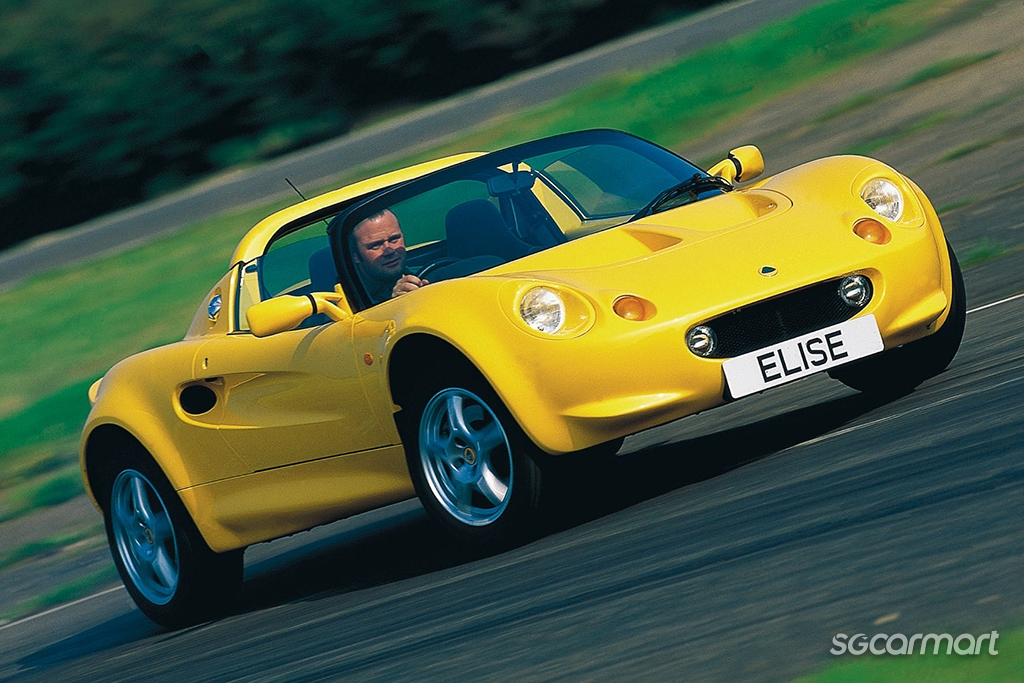
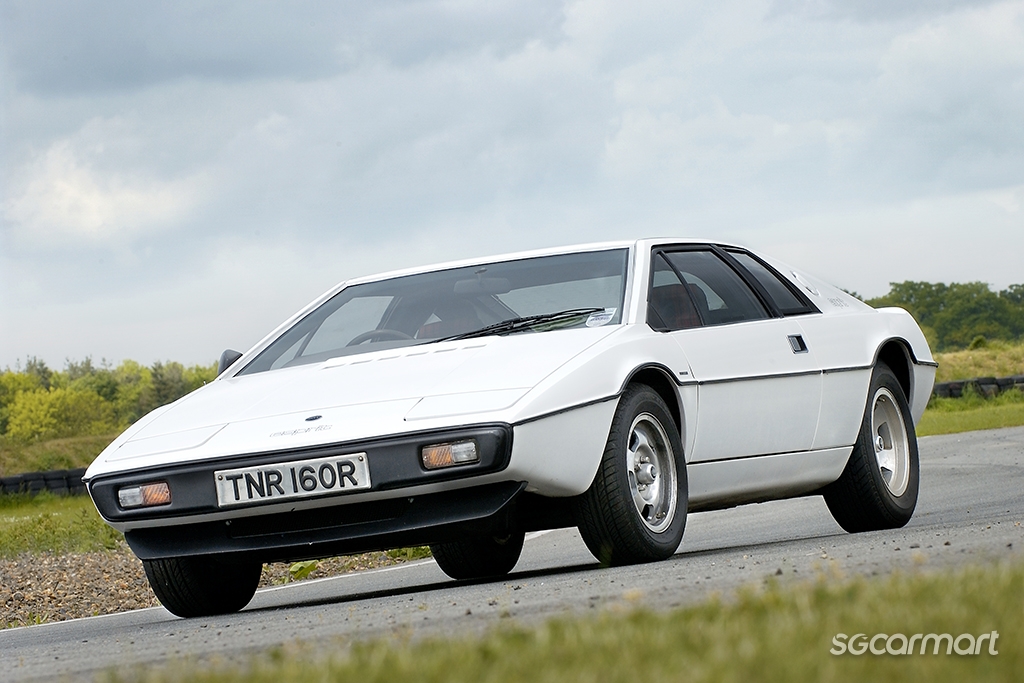
In 1996, Proton made a big move - it acquired Lotus, a well-established sports car maker from the U.K., which played a crucial role in taking the Proton brand to the next step. Along with Lotus, Proton also acquired Michigan Motor Research and motorcycle brand MV Agusta over the same period, effectively acquiring the ability to test and build powertrains, along with other intrinsic knowledge to build its own car from the ground up.
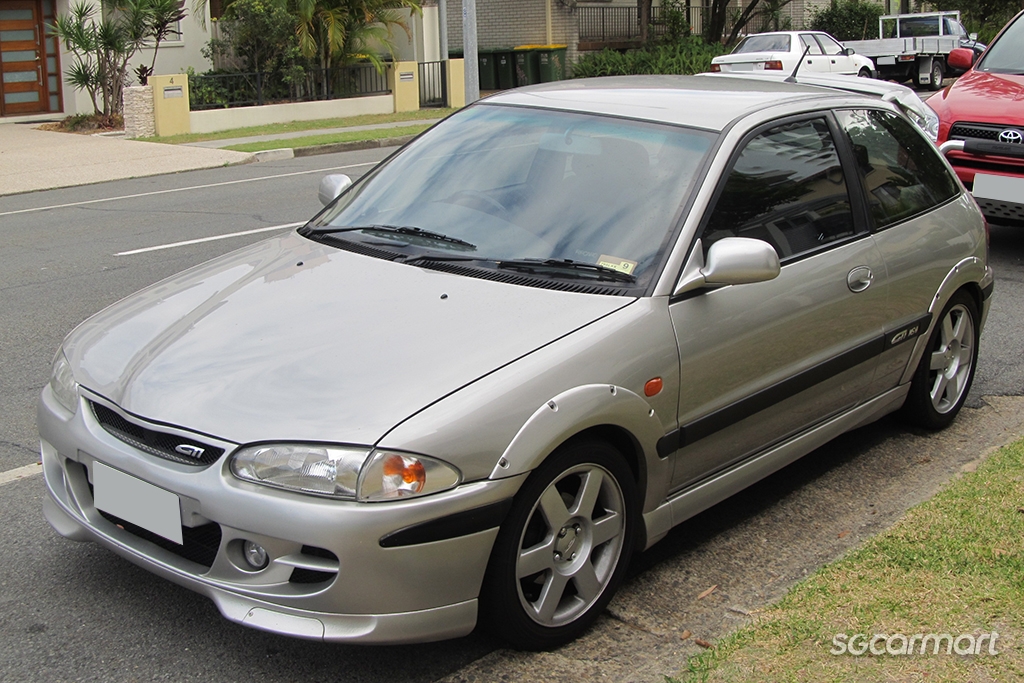
Shortly after the acquisition of Lotus, Proton swiftly tapped on the former's expertise in the handling department, applying the engineering know-how to create the Satria GTi, a hotted-up hatchback in 1998, wearing a 'Handling by Lotus' badge.
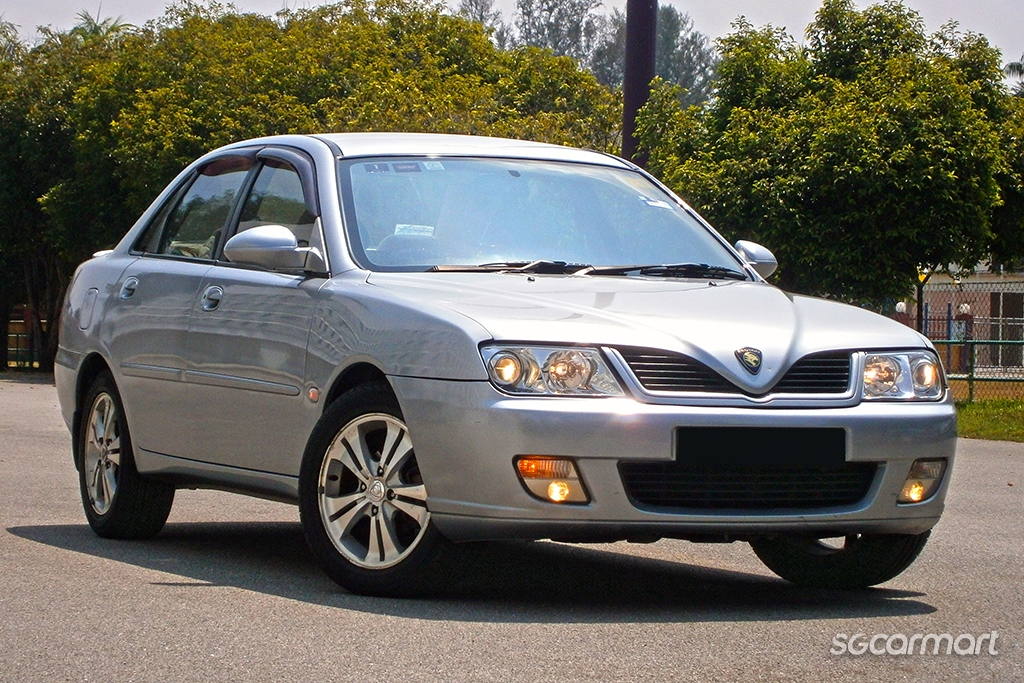
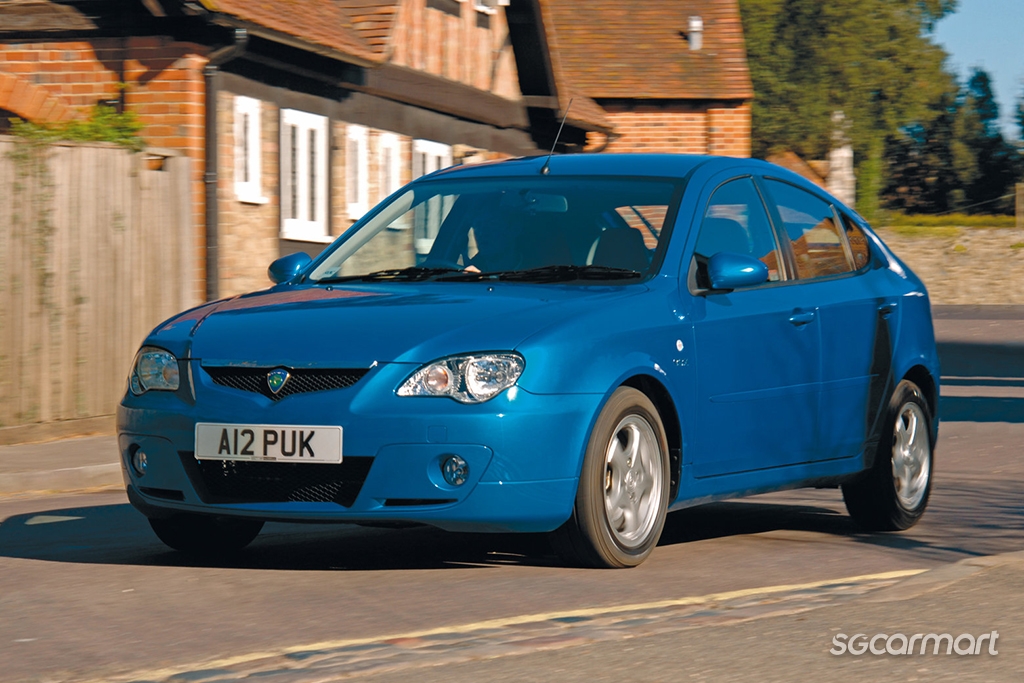
According to former CEO of Proton, Tengku Tan Sri Mahaleel Tengku Ariff, it was with the various acquisitions that the brand was able to develop and launch the first Malaysian-designed car, Proton Waja, in year 2000. Later on, in 2004, Proton introduced its own platform, along with its own engine (CamPro), with the Proton Gen 2.
Kicking into the high gear with Geely
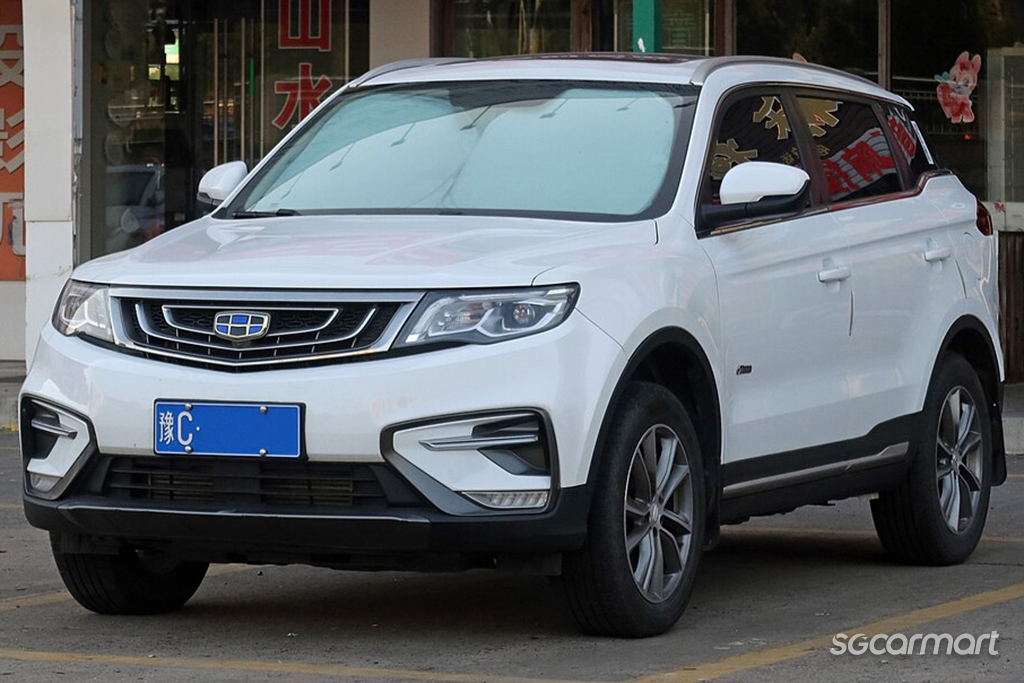
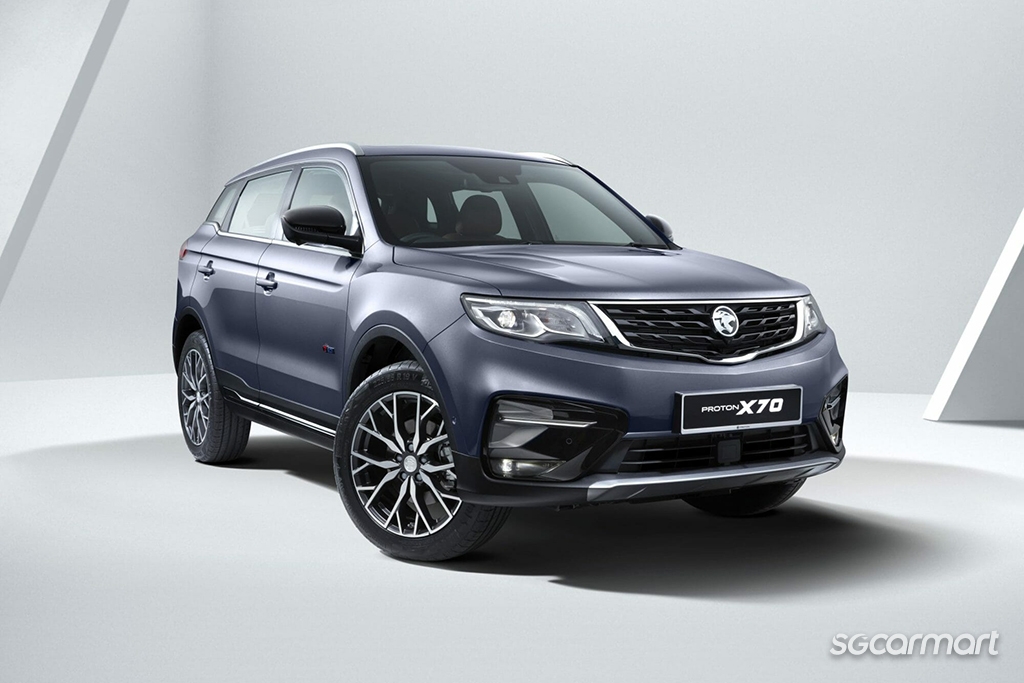
Fast forward to 2017, DRB-HICOM entered a strategic partnership with Zhejiang Geely Holding Group Co, Ltd, marking the start of a whole new era for Proton. From here on out, Proton has been seeing yet another bout of immense growth with 38 new models launched since.
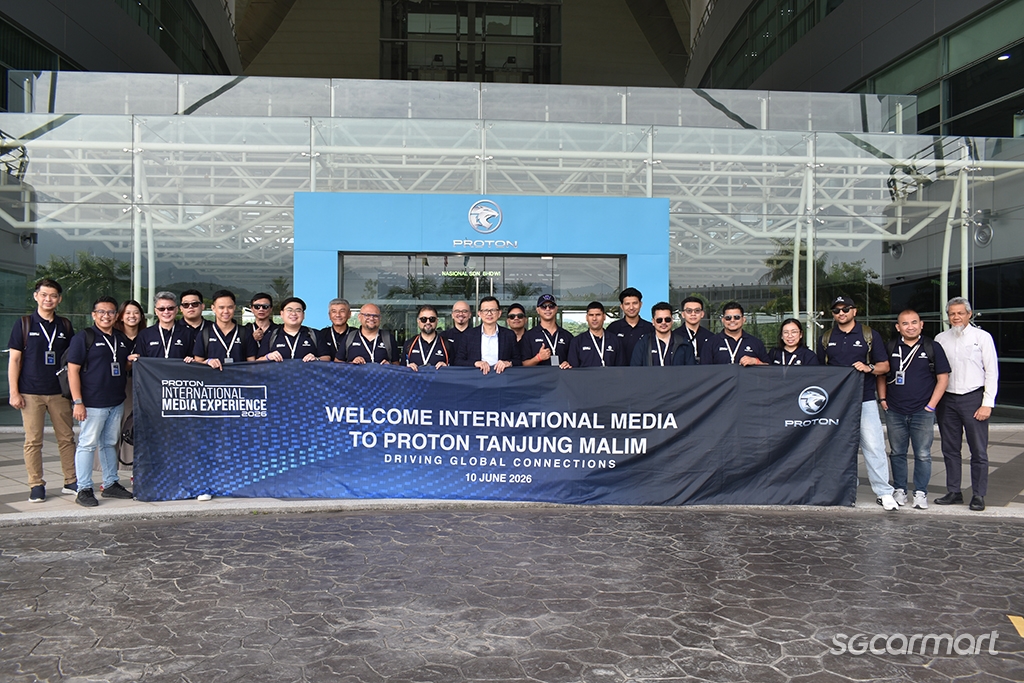
We were invited by Proton to visit its latest facilities located within the new Automotive Hi-Tech Valley in Tanjung Malim to learn more about the brand, its latest products and what to expect in the future.
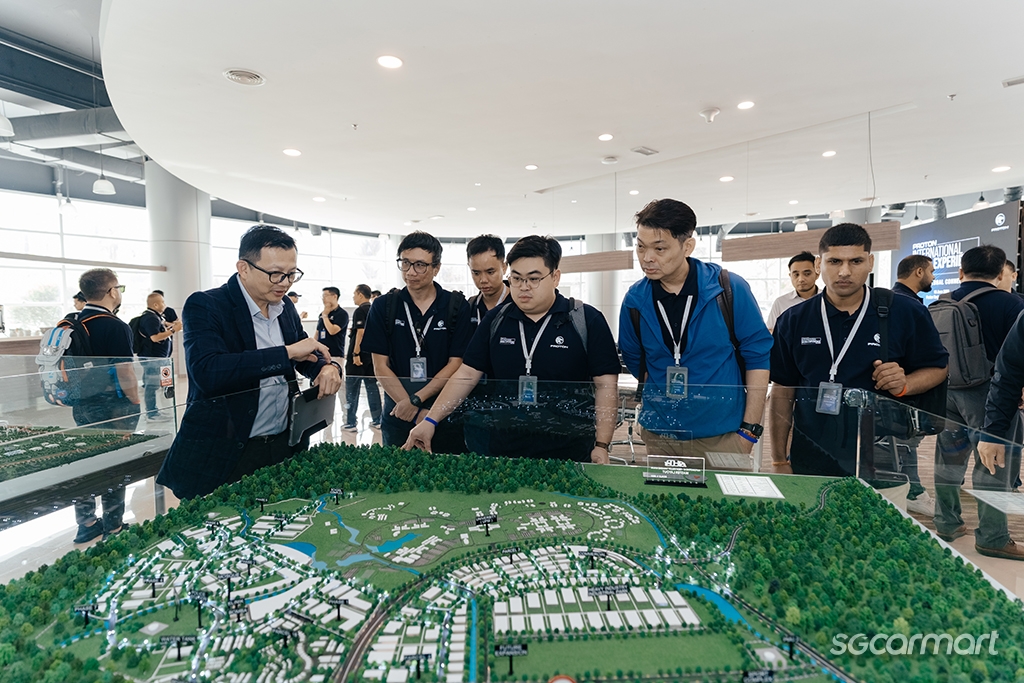
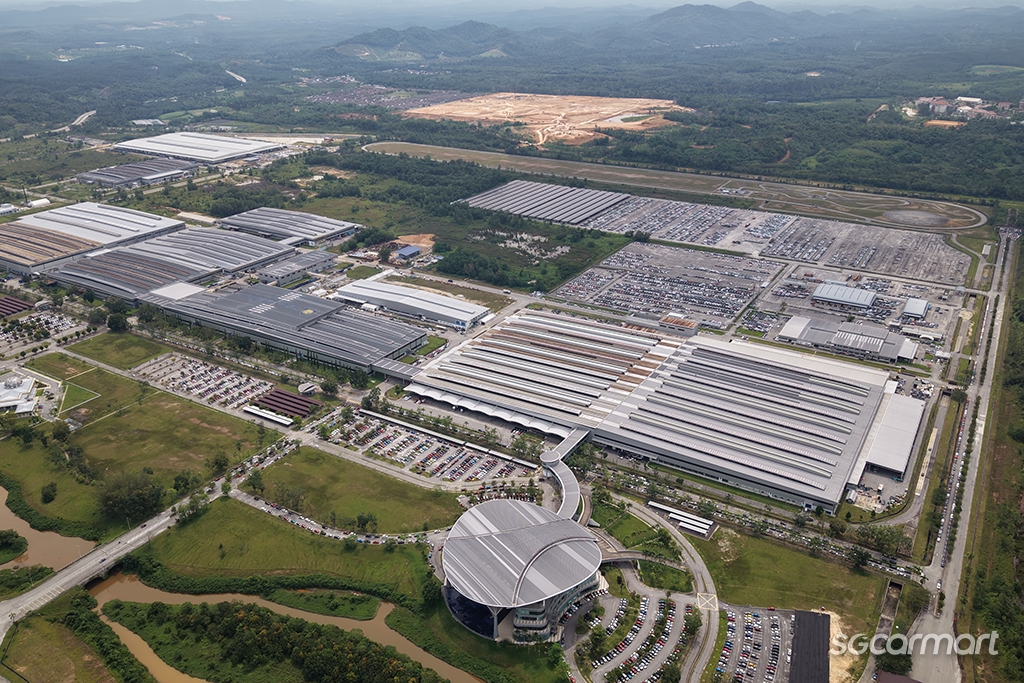
While Proton opened its second manufacturing plant in Tanjung Malim back in 2003, it was in October 2025 when the company moved all its manufacturing operations to Proton Tanjung Malim, located within the Automotive Hi-Tech Valley.
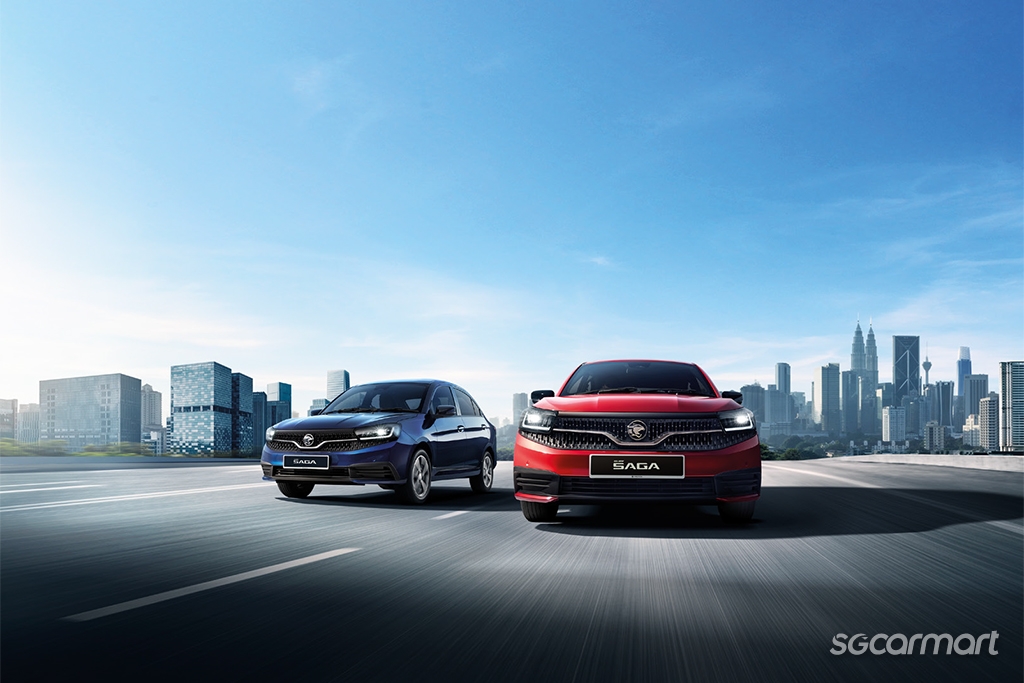
Here, the new Proton Saga is built alongside the Persona, X-Series SUVs and S70 sedan. Proton Tanjung Malim also houses Proton's first New Energy Vehicle (NEV) assembly plant and an engine assembly plant that also supports Geely's various brands. With the new facilities, Proton is able to produce up to 240,000 engines annually, with the capability to produce engines, transmissions, and electrified powertrain components.
Moreover, the Tanjung Malim facilities houses 1,400 employees, and is a core component within the Automotive Hi-Tech Valley, still empowering Malaysia's industrialisation, in line with the vision that Dr. Mahathir had decades ago.
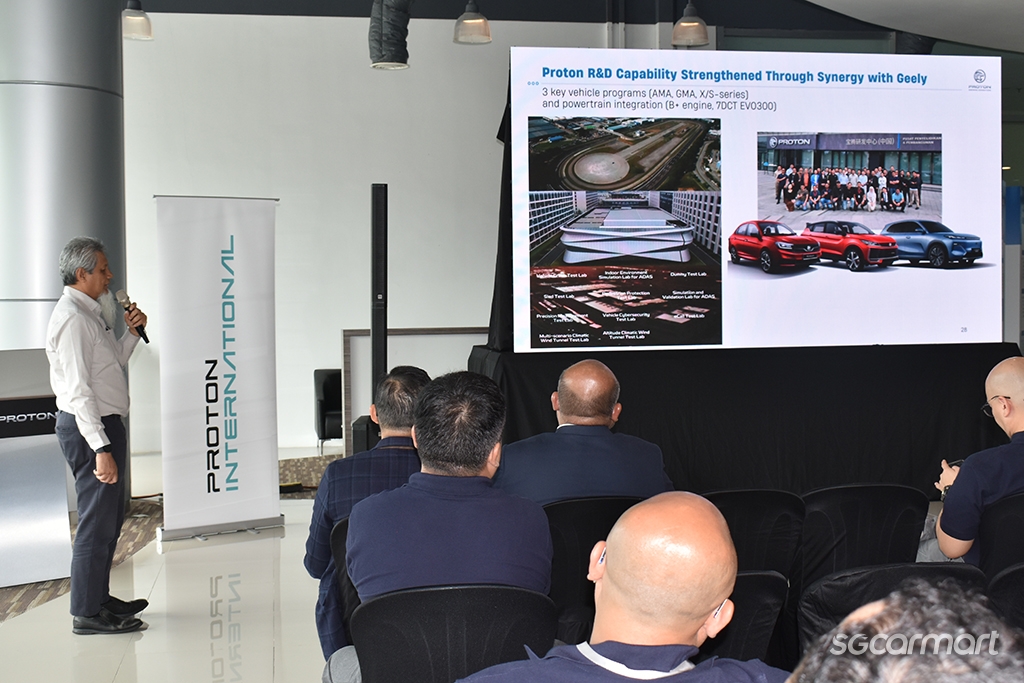
New facilities, new platforms and new energy
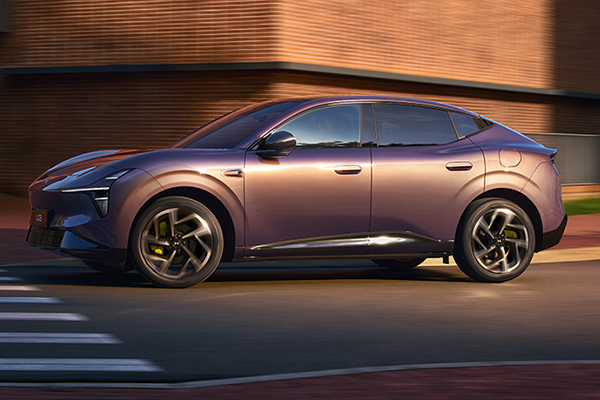
Today, Proton focuses on three main product lineups: Advanced Modular Architecture (AMA) - including the new Saga MC3, Global Modular Architecture (GMA) - the Proton e.MAS series of cars leveraging on Geely's technology, and the X/S Series - such as the Proton X50.
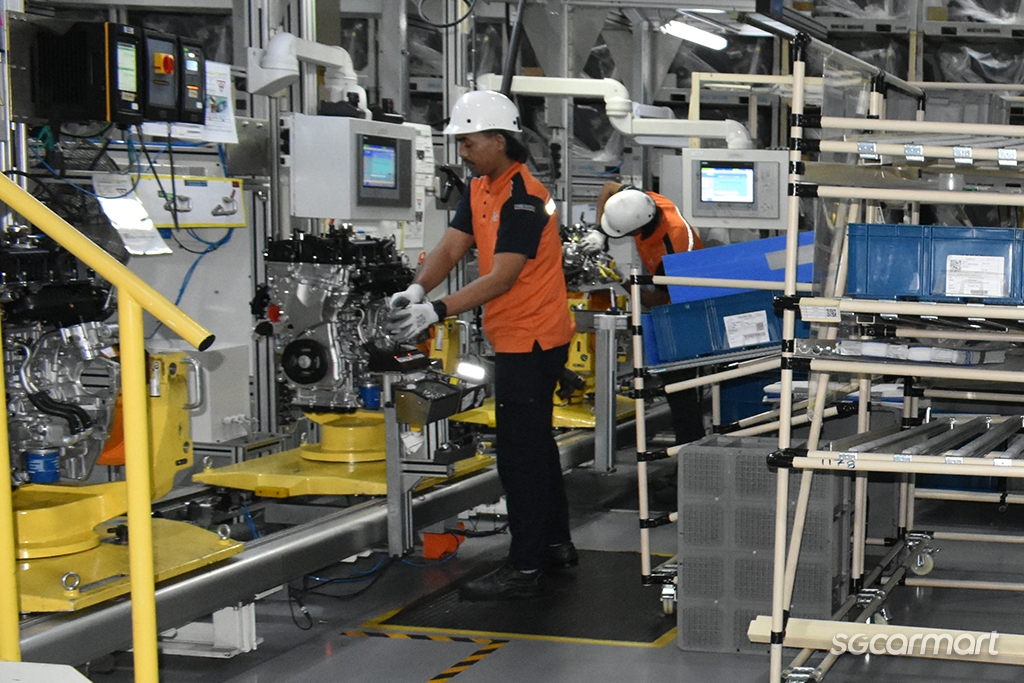
During our visit to Proton Tanjung Malim, we toured the new powertrain plant, which has 547 staff in total, and witnessed the engines and transmissions being built on the organised and high-tech production line. Being a full-fledged manufacturing facility, there were also metal panel stamping shops, body shops and paint shops located in Tanjung Malim, along with a dedicated test track where we got to try out some cars.
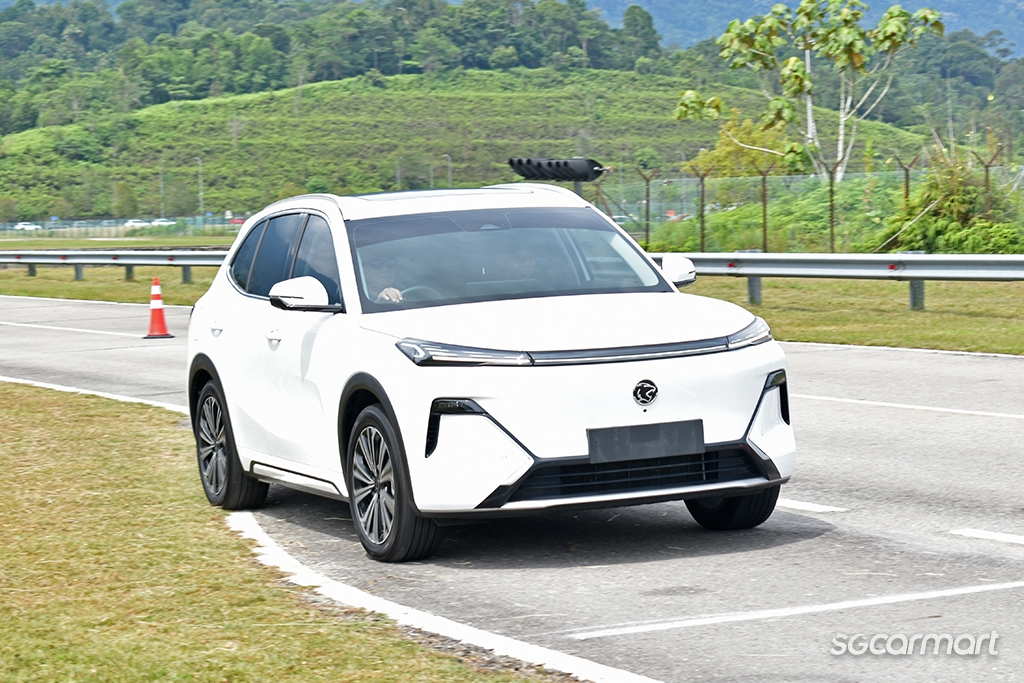
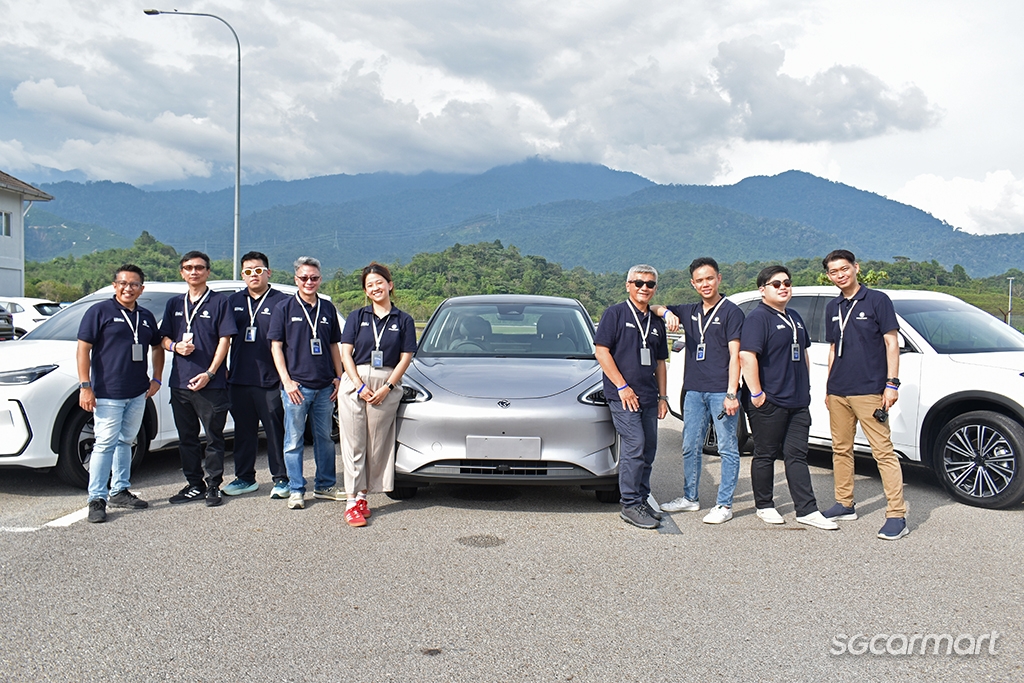
Here, we experienced the e.MAS 7 Plug-in Hybrid that will be coming to Singapore in the future, the compact e.MAS 5 which is debuting here really soon, along with the new Saga and various other Proton X Series cars. Both e.MAS cars offered smooth power delivery and great ergonomics - as expected of products from a brand with substantial history in car making.
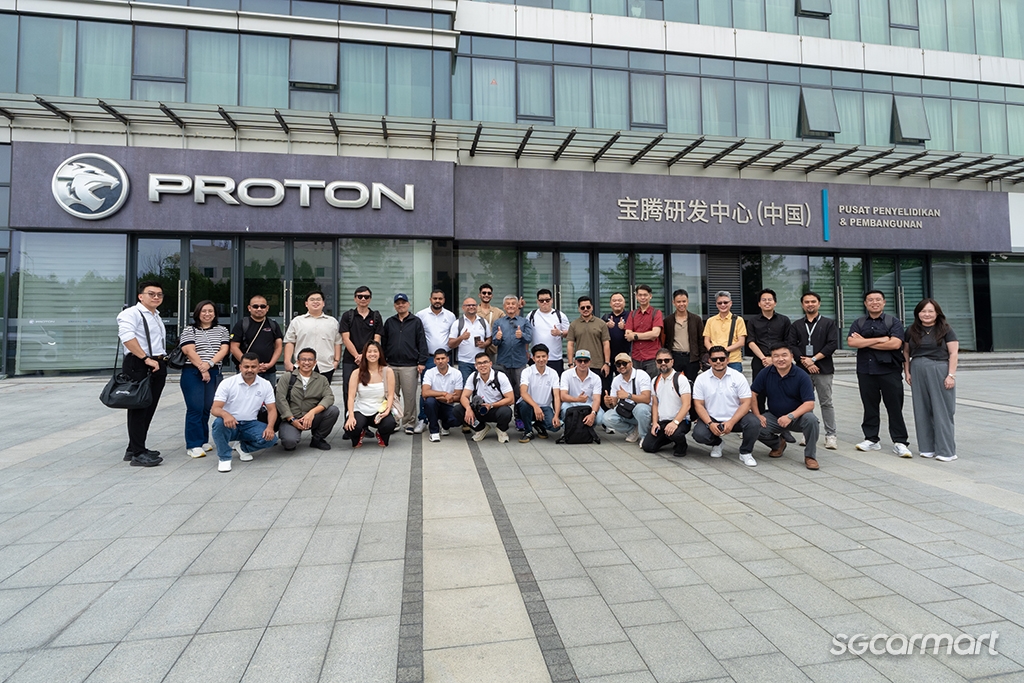
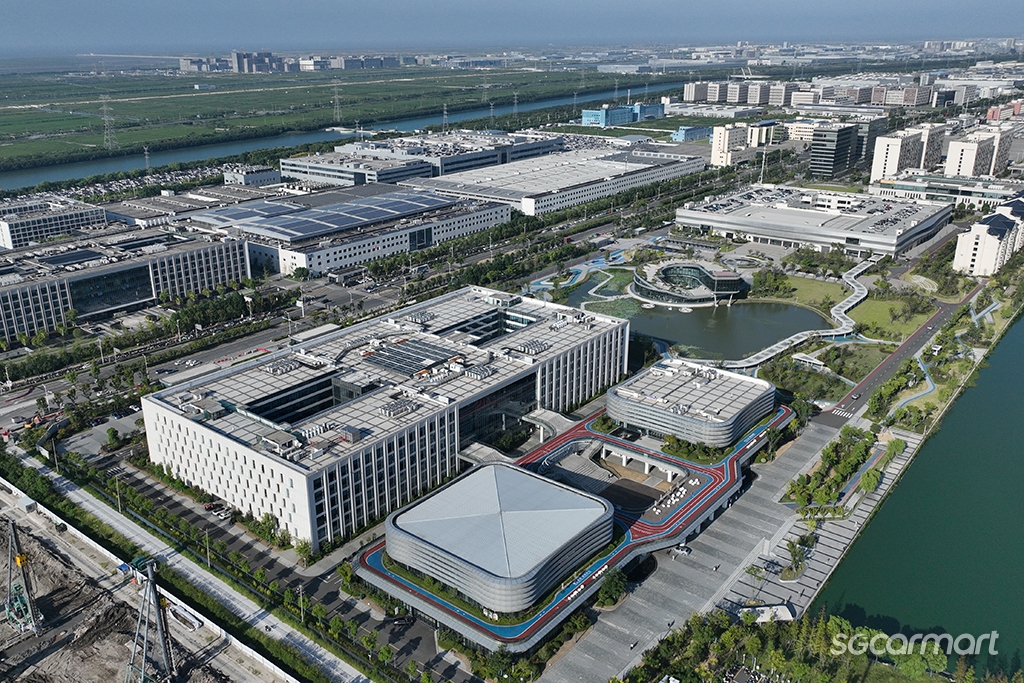
After the drives concluded in Tanjung Malim, our journey continued in Hangzhou Bay, which is located near Shanghai, in China. Here, we visited the Proton Research and Development Centre (PRDC), which is a hub where Proton and Geely staff collaborate to create the next-generation products that we see on the roads.
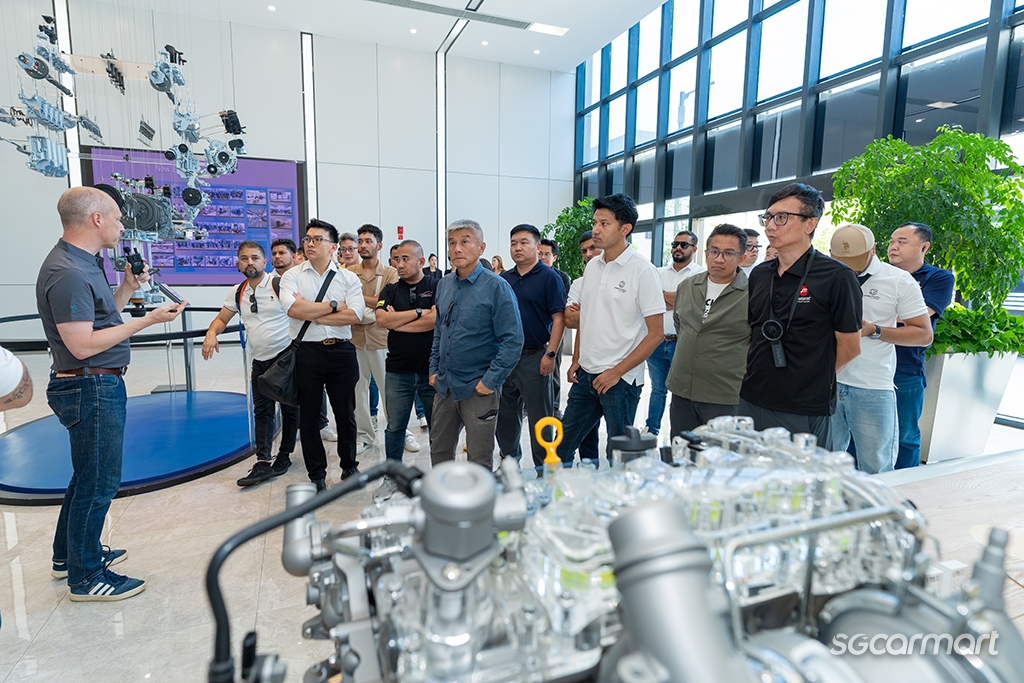
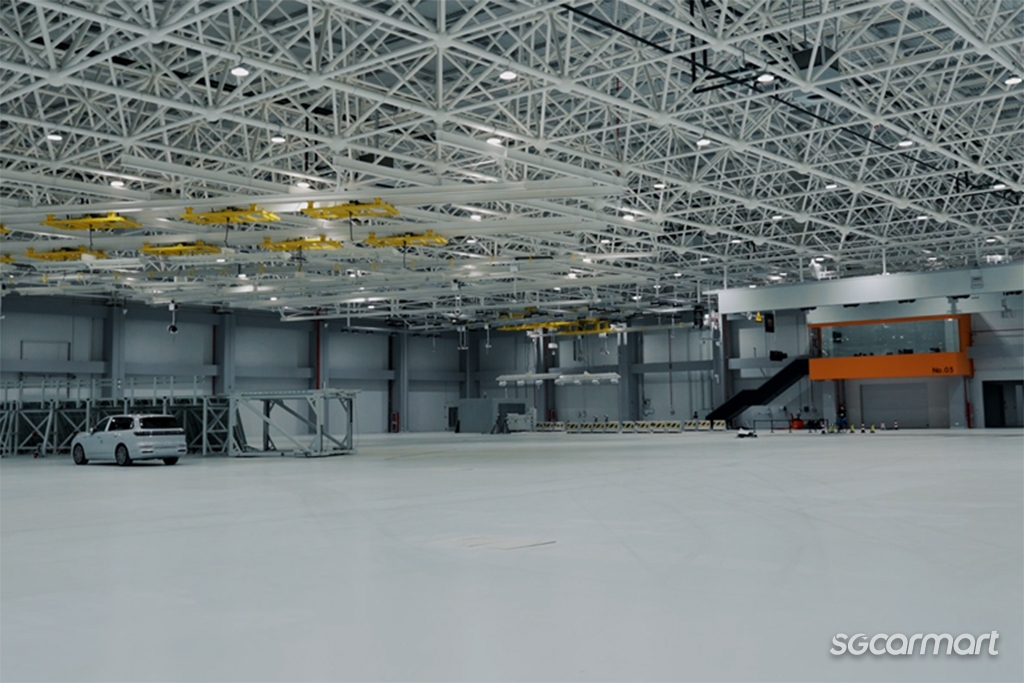
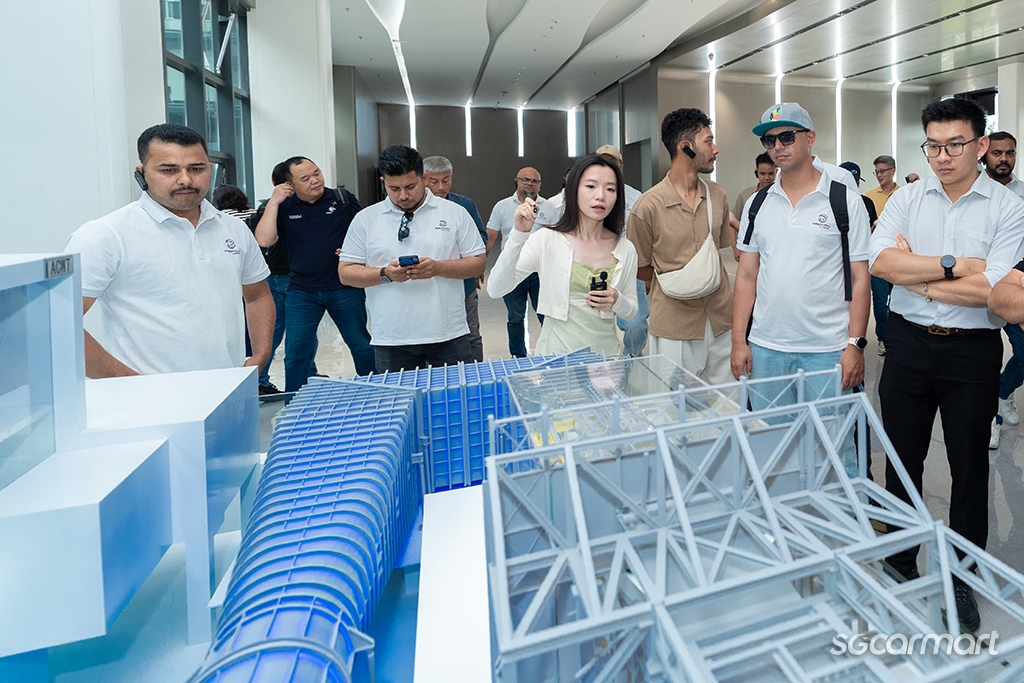
We also visited Geely's various Research and Development centres, including China's largest powertrain testing facility, the largest and most comprehensive safety centre in the world (crash tests are conducted here), along with the world's largest wind tunnel centre.
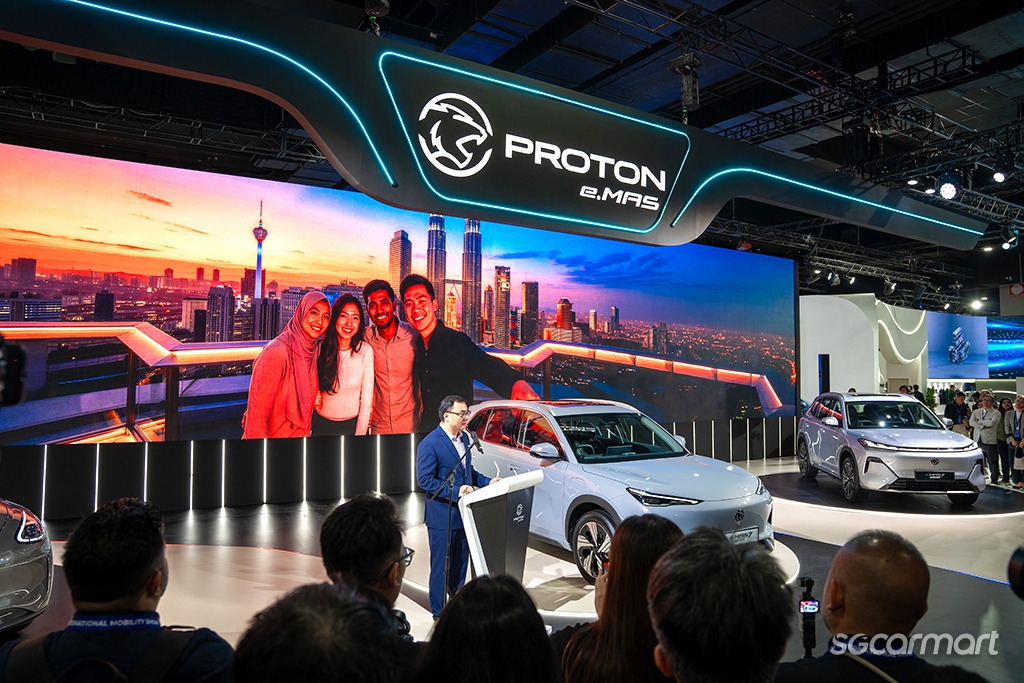
Having visited the impressive facilities, one thing was clear - teaming up with Geely is proving to be one of the best decisions Proton has made. The world-class facilities, along with strong collaboration will likely propel the brand to even greater heights.