Should I buy a car in July / August / September 2026?
05 Jul 2026|5,567 views



Wondering if now is the time to purchase that car you've always wanted? Not too sure about where COE premiums are headed?
Here's all the factors that could affect COE premiums in the coming quarter. You'll want to consider these if you're buying a set of wheels come July / August / September 2026!
Price trend: COE premiums across the past 12 months
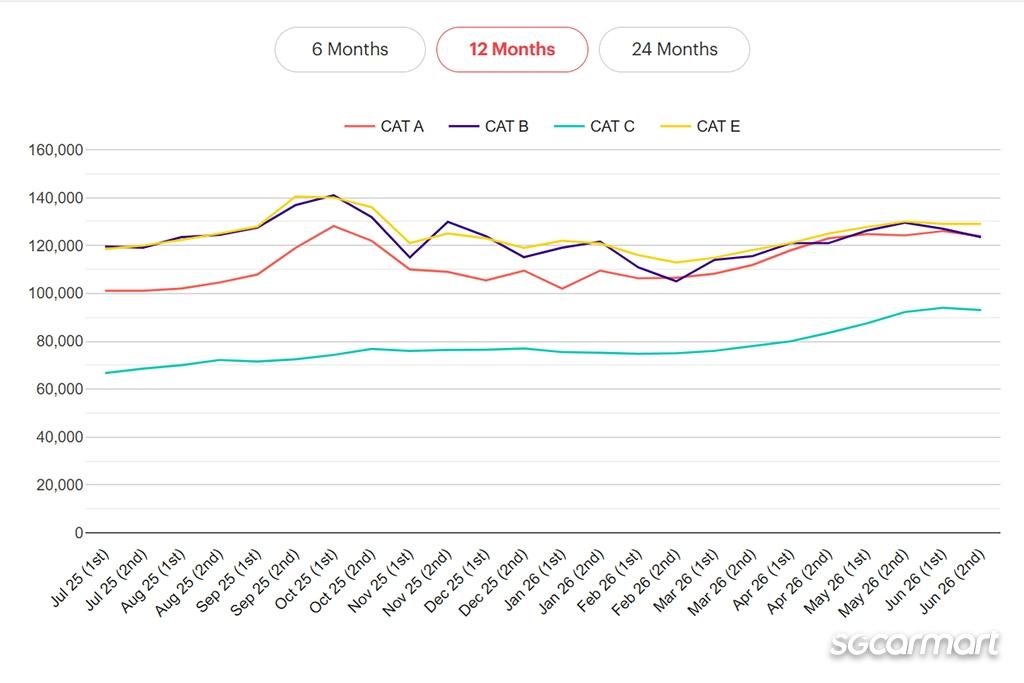
Let's start by looking at how COE premiums have shifted across the past 12 months. A graph of how premiums have changed across the period is replicated here:
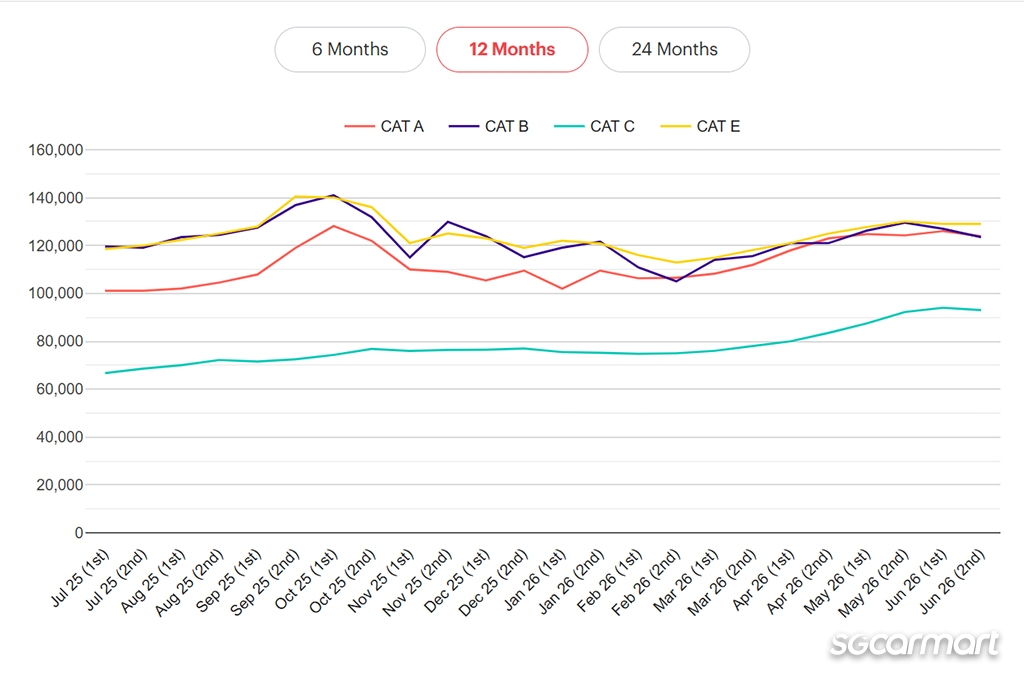
COE premiums have held largely steady across the past 12 months
As you can see, premiums have largely held steady across the past 12 months, but of course, past performance is not necessarily indicative of future direction. As we'll highlight later in this article, there are plenty of factors that could take premiums off their current track.
Let's first start with the fact that these past results are not entirely surprising. The COE supply has held steady across the past quarters, with the quarter of November 2025 to January 2026 seeing a 1.5% increase compared to the quarter before it, and the quarter of February 2026 to April 2026 seeing a 0.8% decrease, before supply rebounded with a 1.2% increase for the quarter of May to July 2026.
Zooming further in, those looking to purchase a car in the coming months will want to note that premiums for Cat A have risen above those for Cat B multiple times across the past months. And the category has continued to stand within spitting distance of Cat B over the past weeks.
Premiums for the category also reached a 2026 high (for now) of $126,009 in June - a figure that's not too far from the $128,105 record high that the category reached in October 2025. If you're thinking of purchasing a new car soon, this could well be the time to purchase that Cat B vehicle - if there's one that you've been thinking about, that is.
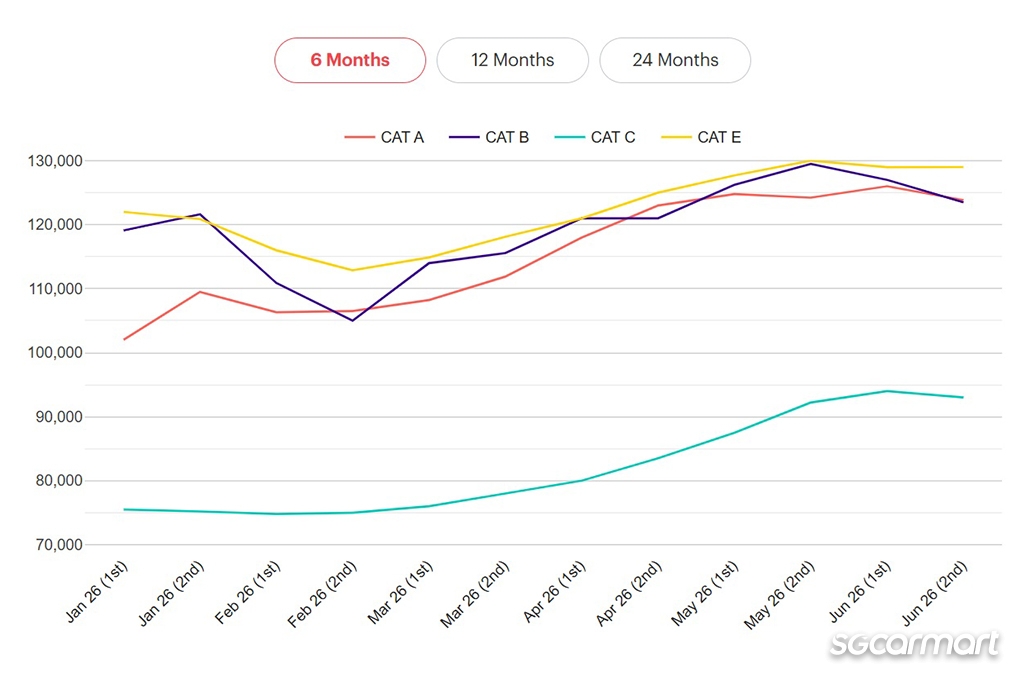
Premiums for Cat A have climbed ahead of those for Cat B repeatedly over the past six months
COE supply: Where could things be headed come August?
Looking to purchase a new car in the coming months? Don't expect to see any drastic changes in the COE supply soon.
The LTA is still bolstering the COE supply each quarter with its cut-and-fill approach, but the past quarters have seen the total injected COE supply steadily decline (thus explaining the steady COE supply across the past quarters).
The total injected COE supply for the period November 2025 to January 2026 stood at 2,246 COEs for Cat A and 205 COEs for Cat B. In contrast, the total injected COEs for the period of May 2026 to July 2026 fell to only 1,119 for Cat A (and nothing for Cat B).
You can pretty much expect that the authority plans to keep available COE supply relatively steady for the time being.
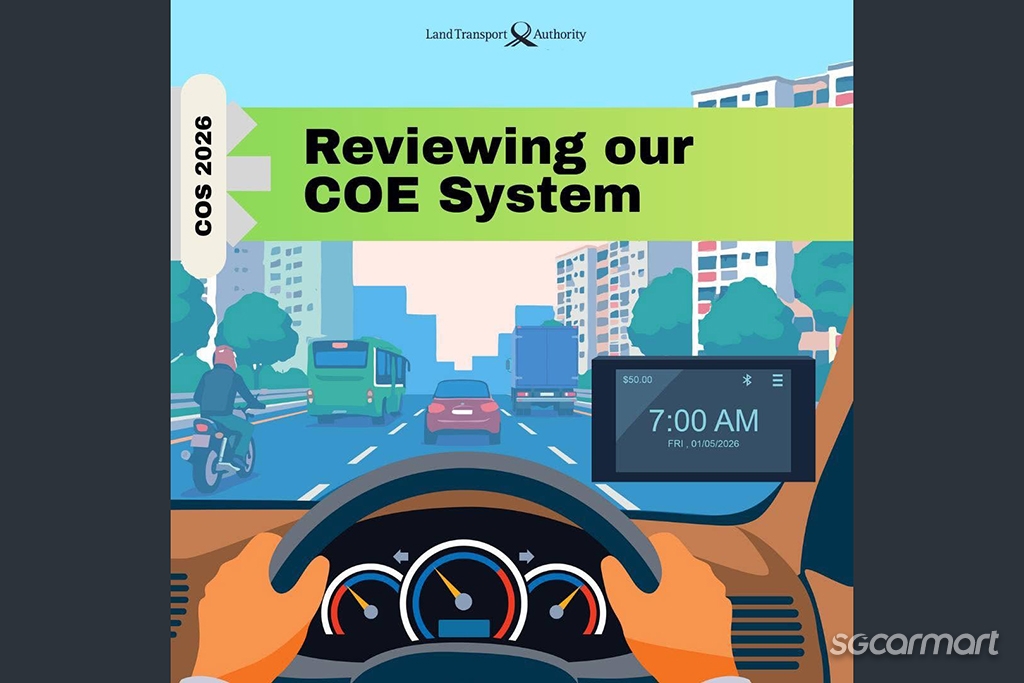
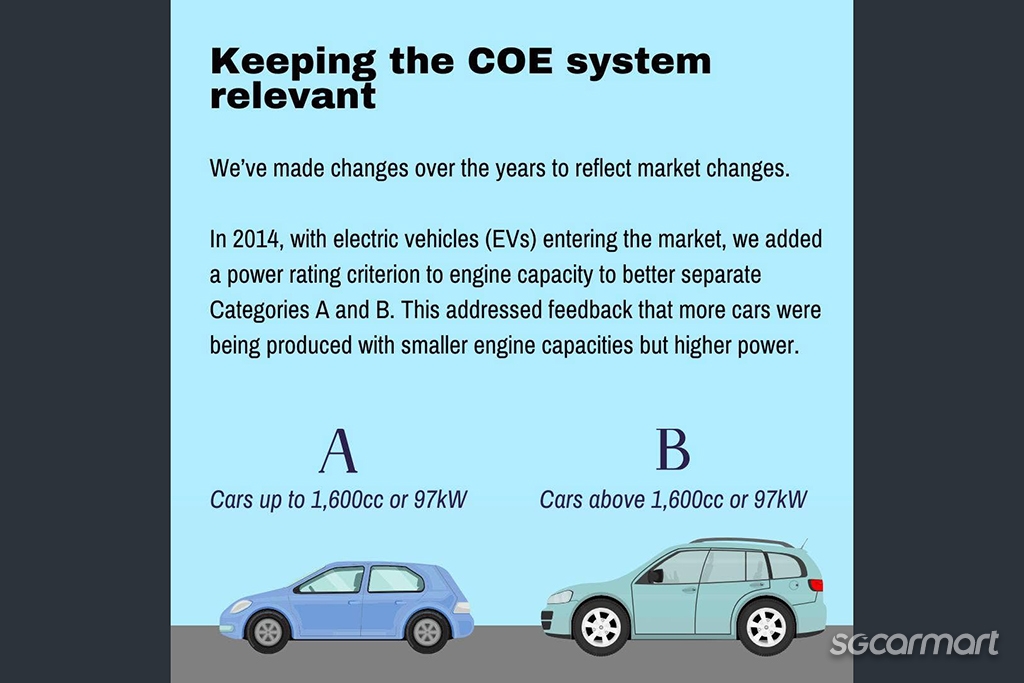
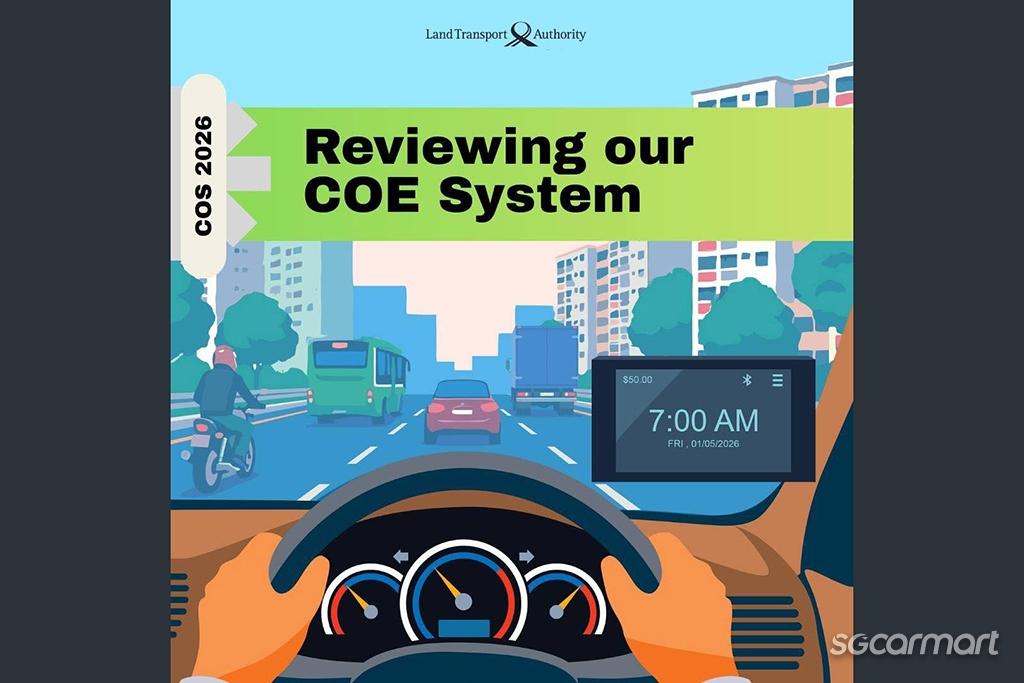
The LTA announced that it was reviewing the COE system to improve the categorisation of cars in March this year
Other factors to consider
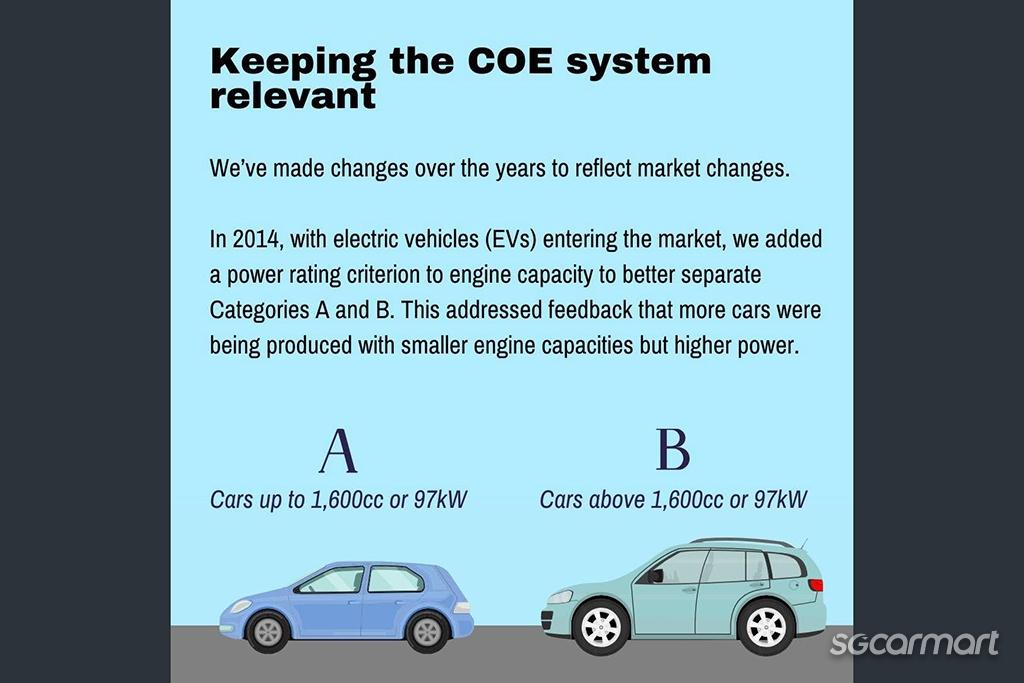
High on any new car buyer's mind for now should be the fact that our nation's COE categorisation is currently under review. Where things could be headed is currently anyone's guess, but Acting Minister for Transport Jeffrey Siow has stated that the aim is to complete this review by the end of 2026.
We are expecting changes to be made to the current COE categorisation given that premiums for Cat A have been holding steady next to those of Cat B in the past weeks. So, if you're looking to purchase a car before the chaos that this change could bring, now's the time.
More relevant to car buyers looking to secure a set of wheels this upcoming quarter is the fact that the LTA has already announced that the Electric Vehicle Early Adoption Incentive (which currently offers those who register electric cars a rebate of 45% off the Additional Registration Fee capped at $7,500) is set to cease come 2027.
Those looking to secure an electric car will thus want to secure their purchases by this year. But those looking to purchase combustion-powered cars will also want to note that COE premiums should see an uptick as we approach the end of 2026, as those looking to make use of these rebates scramble to secure a car.
And of course, you can expect the second iteration of this year's The Car Expo, which happened in September in the year 2025, to further drive up COE premiums as we head towards the end of 2026.
There's one other factor to consider: COE premiums may have held steady across the past months, but news about local retrenchments in recent weeks could be indicative of a weakening local economy. And this always tends to come with waning demand for new vehicles. Exercise your own financial prudence.

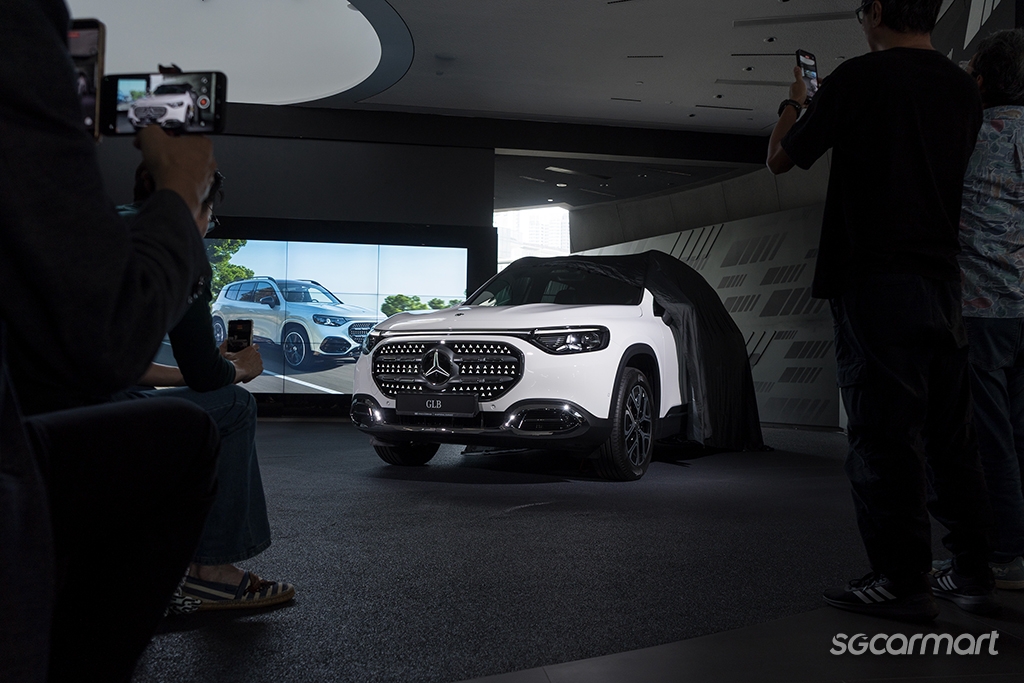
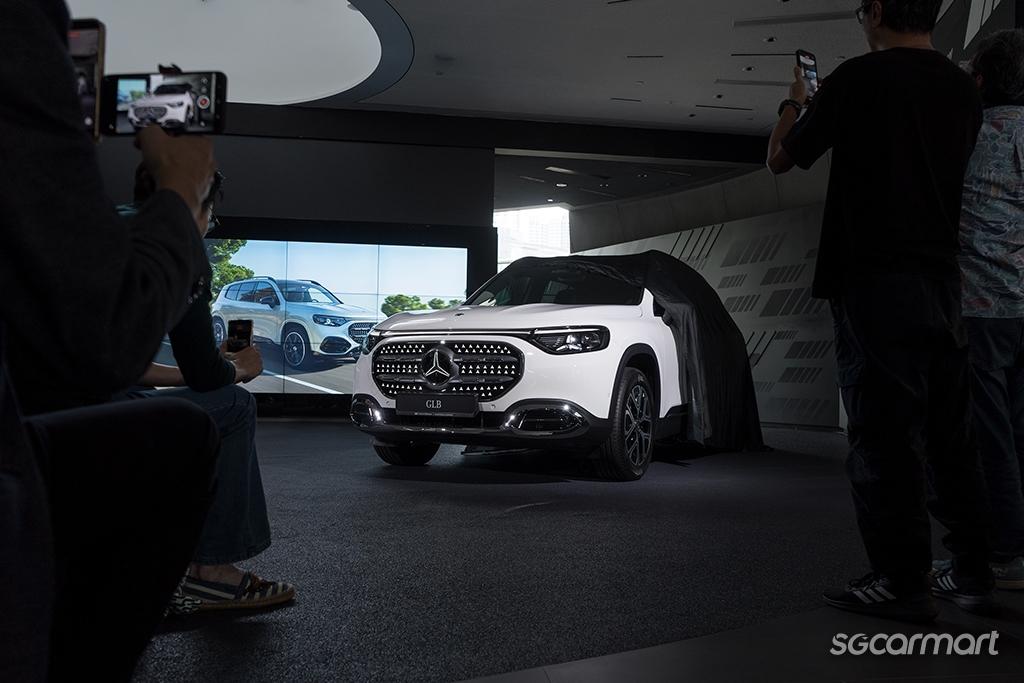
The recent launch of models including the BMW iX3 and Mercedes-Benz GLB could put upward pressure on COE premiums for the coming months
Popular models to think about
A host of popular nameplates have made landfall here in Singapore in the past months, which could add upward pressure on COE premiums in the coming months.
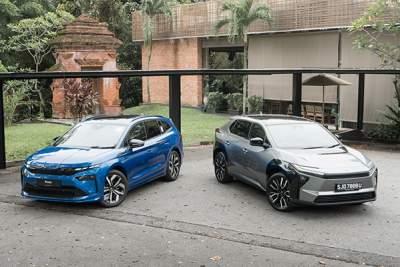
These include the new all-electric Mercedes-Benz GLB and the BMW iX3. Although, the Honda ZR-V hybrid could also turn out to be another popular model here on our shores.
In summary...
Looking to secure a car in the coming months? This could well be an opportune period to sign on that dotted line.
Those looking to purchase a new electric car are likely to want to secure their purchases before the end of the year owing to the scheduled end of the Electric Vehicle Early Adoption Incentive.
This, coupled with the LTA's current (and apparent) strategy of keeping COE supply relatively constant, makes it reasonable to assume the COE premiums will climb as we move towards the tail-end of 2026. This upcoming quarter could thus be the last lull in premiums we see in the year 2026.
But of course, all this assumes you're already set on purchasing a car this current quarter. Those looking to purchase a car within a longer timeframe might want to consider that where premiums are headed past 2026 will entirely on how the government opts to revise its categorisation of COEs.
There could well be an opportunity to secure a car with a lower COE premium in bidding sessions that immediately follow the change in COE categories (assuming there's a significant change), if dealers hold back on their bids to see how market forces react to the new change.
And if the new categorisation does prove effective in bringing down COE premiums for those looking for an affordable set of wheels (as was the original intention behind the current Cat A category), the upcoming year could prove a boon for those looking to secure a more sensible car going into 2027.
Happy shopping and may the COE premiums always be in your favour.
Wondering if now is the time to purchase that car you've always wanted? Not too sure about where COE premiums are headed?
Here's all the factors that could affect COE premiums in the coming quarter. You'll want to consider these if you're buying a set of wheels come July / August / September 2026!
Price trend: COE premiums across the past 12 months
Let's start by looking at how COE premiums have shifted across the past 12 months. A graph of how premiums have changed across the period is replicated here:
COE premiums have held largely steady across the past 12 months
As you can see, premiums have largely held steady across the past 12 months, but of course, past performance is not necessarily indicative of future direction. As we'll highlight later in this article, there are plenty of factors that could take premiums off their current track.
Let's first start with the fact that these past results are not entirely surprising. The COE supply has held steady across the past quarters, with the quarter of November 2025 to January 2026 seeing a 1.5% increase compared to the quarter before it, and the quarter of February 2026 to April 2026 seeing a 0.8% decrease, before supply rebounded with a 1.2% increase for the quarter of May to July 2026.
Zooming further in, those looking to purchase a car in the coming months will want to note that premiums for Cat A have risen above those for Cat B multiple times across the past months. And the category has continued to stand within spitting distance of Cat B over the past weeks.
Premiums for the category also reached a 2026 high (for now) of $126,009 in June - a figure that's not too far from the $128,105 record high that the category reached in October 2025. If you're thinking of purchasing a new car soon, this could well be the time to purchase that Cat B vehicle - if there's one that you've been thinking about, that is.
Premiums for Cat A have climbed ahead of those for Cat B repeatedly over the past six months
COE supply: Where could things be headed come August?
Looking to purchase a new car in the coming months? Don't expect to see any drastic changes in the COE supply soon.
The LTA is still bolstering the COE supply each quarter with its cut-and-fill approach, but the past quarters have seen the total injected COE supply steadily decline (thus explaining the steady COE supply across the past quarters).
The total injected COE supply for the period November 2025 to January 2026 stood at 2,246 COEs for Cat A and 205 COEs for Cat B. In contrast, the total injected COEs for the period of May 2026 to July 2026 fell to only 1,119 for Cat A (and nothing for Cat B).
You can pretty much expect that the authority plans to keep available COE supply relatively steady for the time being.
The LTA announced that it was reviewing the COE system to improve the categorisation of cars in March this year
Other factors to consider
High on any new car buyer's mind for now should be the fact that our nation's COE categorisation is currently under review. Where things could be headed is currently anyone's guess, but Acting Minister for Transport Jeffrey Siow has stated that the aim is to complete this review by the end of 2026.
We are expecting changes to be made to the current COE categorisation given that premiums for Cat A have been holding steady next to those of Cat B in the past weeks. So, if you're looking to purchase a car before the chaos that this change could bring, now's the time.
More relevant to car buyers looking to secure a set of wheels this upcoming quarter is the fact that the LTA has already announced that the Electric Vehicle Early Adoption Incentive (which currently offers those who register electric cars a rebate of 45% off the Additional Registration Fee capped at $7,500) is set to cease come 2027.
Those looking to secure an electric car will thus want to secure their purchases by this year. But those looking to purchase combustion-powered cars will also want to note that COE premiums should see an uptick as we approach the end of 2026, as those looking to make use of these rebates scramble to secure a car.
And of course, you can expect the second iteration of this year's The Car Expo, which happened in September in the year 2025, to further drive up COE premiums as we head towards the end of 2026.
There's one other factor to consider: COE premiums may have held steady across the past months, but news about local retrenchments in recent weeks could be indicative of a weakening local economy. And this always tends to come with waning demand for new vehicles. Exercise your own financial prudence.
The recent launch of models including the BMW iX3 and Mercedes-Benz GLB could put upward pressure on COE premiums for the coming months
Popular models to think about
A host of popular nameplates have made landfall here in Singapore in the past months, which could add upward pressure on COE premiums in the coming months.
These include the new all-electric Mercedes-Benz GLB and the BMW iX3. Although, the Honda ZR-V hybrid could also turn out to be another popular model here on our shores.
In summary...
Looking to secure a car in the coming months? This could well be an opportune period to sign on that dotted line.
Those looking to purchase a new electric car are likely to want to secure their purchases before the end of the year owing to the scheduled end of the Electric Vehicle Early Adoption Incentive.
This, coupled with the LTA's current (and apparent) strategy of keeping COE supply relatively constant, makes it reasonable to assume the COE premiums will climb as we move towards the tail-end of 2026. This upcoming quarter could thus be the last lull in premiums we see in the year 2026.
But of course, all this assumes you're already set on purchasing a car this current quarter. Those looking to purchase a car within a longer timeframe might want to consider that where premiums are headed past 2026 will entirely on how the government opts to revise its categorisation of COEs.
There could well be an opportunity to secure a car with a lower COE premium in bidding sessions that immediately follow the change in COE categories (assuming there's a significant change), if dealers hold back on their bids to see how market forces react to the new change.
And if the new categorisation does prove effective in bringing down COE premiums for those looking for an affordable set of wheels (as was the original intention behind the current Cat A category), the upcoming year could prove a boon for those looking to secure a more sensible car going into 2027.
Happy shopping and may the COE premiums always be in your favour.



Thank You For Your Subscription.










Tags
Products & Services

For Owners
Quick Links
About Sgcarmart