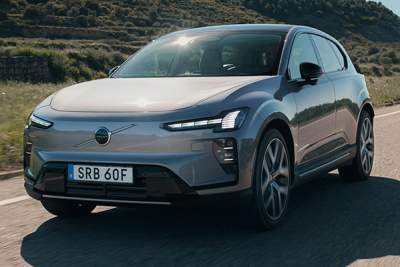
Volvo XC90 B5
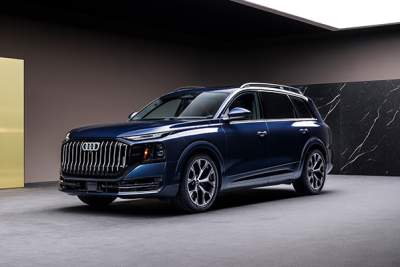
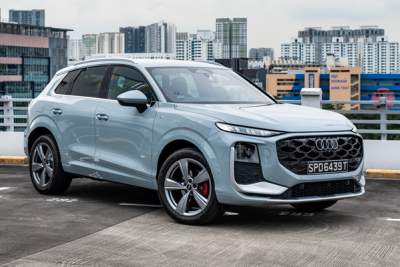
Audi Q7 3.0
While MPVs are still popular, there's no doubt that the seven-seater SUV holds even more appeal for drivers seeking a family runabout. With their taller ground clearance, their outdoorsy character is preferred by many to the boxy and less-exciting form of an MPV.
It's hard to believe, but despite debuting in the early 2000s, the two models we've gathered here are only two generations old. However, they've been honed and updated through the years to ensure that they remain the best iteration of their respective model lines.
Will the Volvo XC90 and its 'Scandi vibe' emerge ahead? Or will the Audi Q7's 'Teutonic tech' prove more attractive?
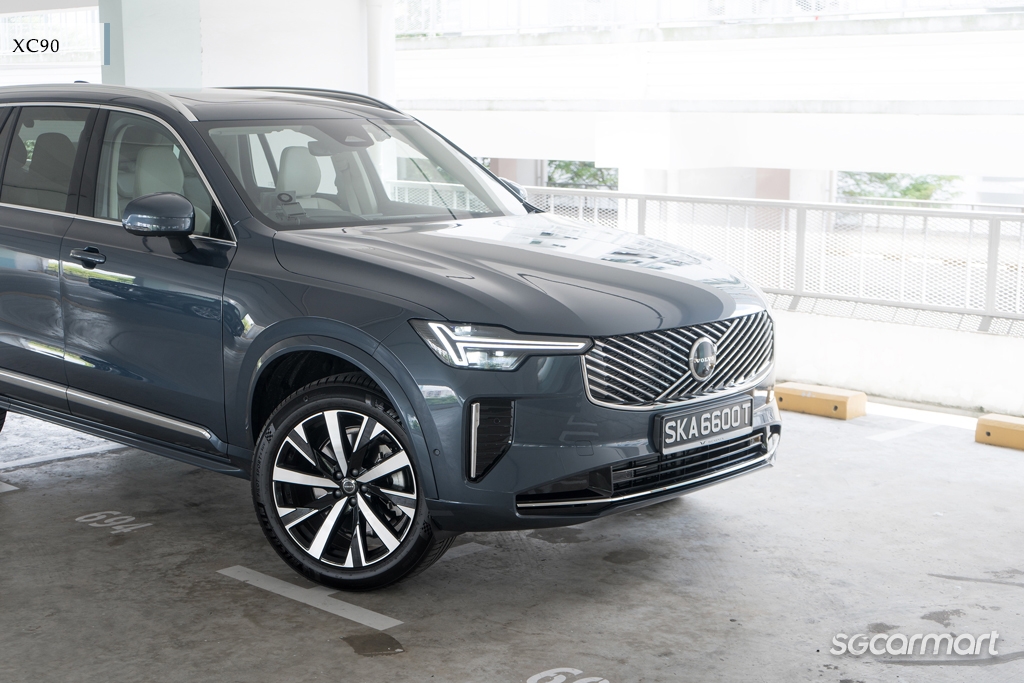
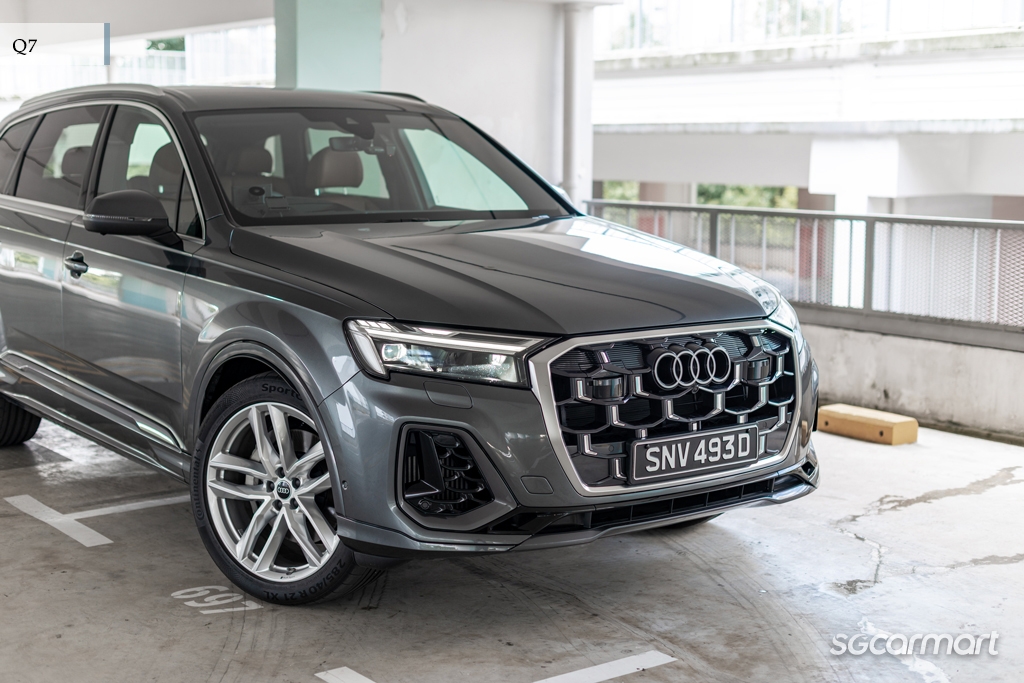
Making an entrance
Having made its debut back in 2002, the XC90 is the older of the two models. Despite being Volvo's first SUV, it was immediately lauded for its looks, and many safety and family-friendly features that endeared it to parents worldwide. The current XC90 arrived in 2015 and was updated in 2019 and again in 2024.
The Q7, on the other hand, was first unveiled in 2005. Like the XC90, it is also the first SUV from the brand. Compared to its rival, the Q7 started out with a rounder silhouette that grew sharper over time. Like the XC90, the current model arrived in 2015 and was facelifted twice since.
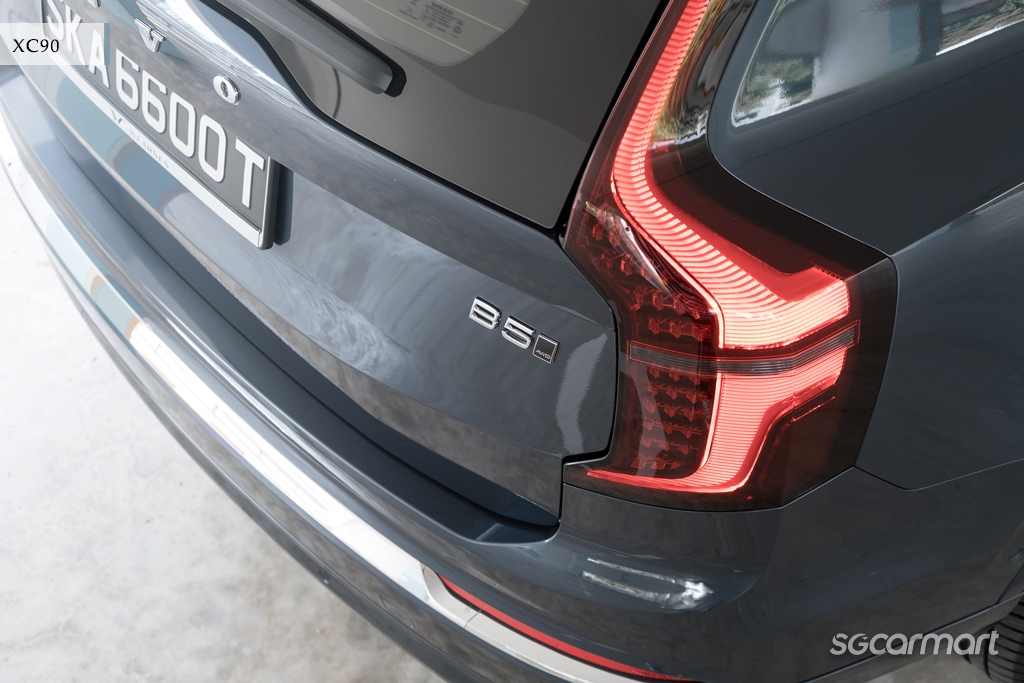
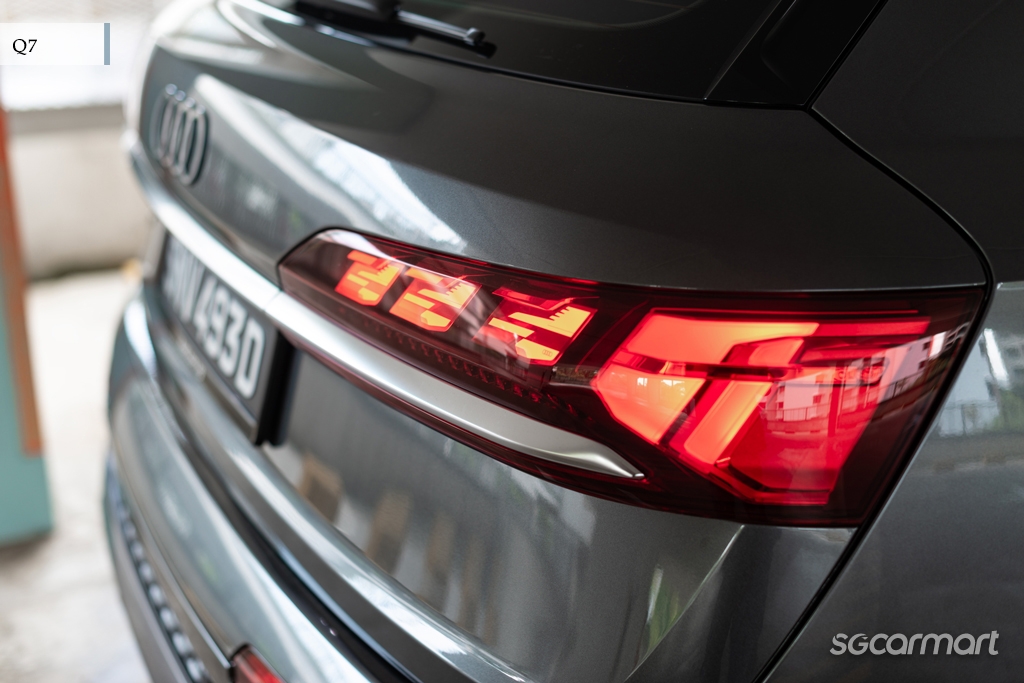
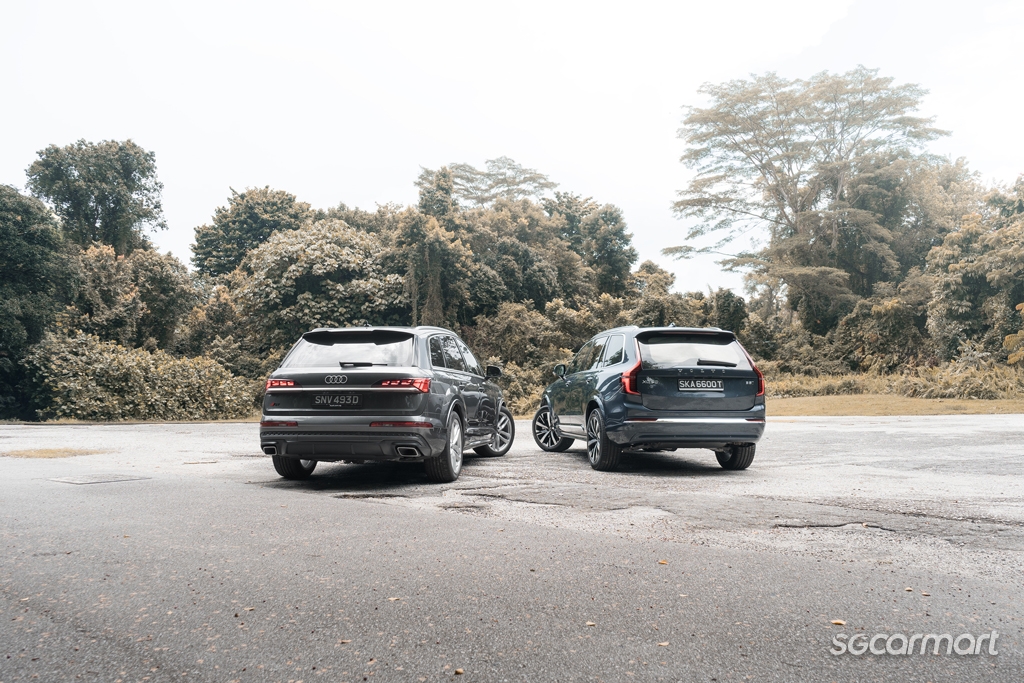
Both the XC90 and Q7 have plenty of road presence. But when it comes to blending muscularity with a touch of elegance, the nod goes to the XC90. From the intersecting lines on its grille to the redesigned daytime running lights to the tall stance, the XC90 is immediately more eye-catching than the Q7.
But if you prefer an SUV that reflects power and masculinity, then the Q7 which is wider, squarer and sits lower to the ground is your chariot. Its more pronounced lines also make it look more authoritative and ready to dominate the road.
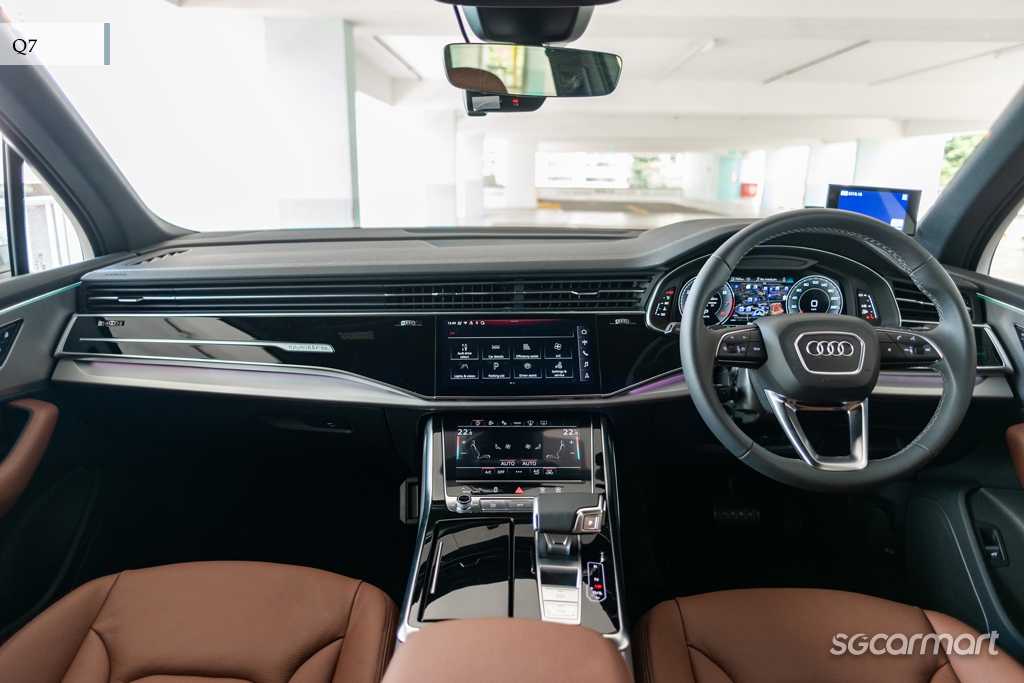
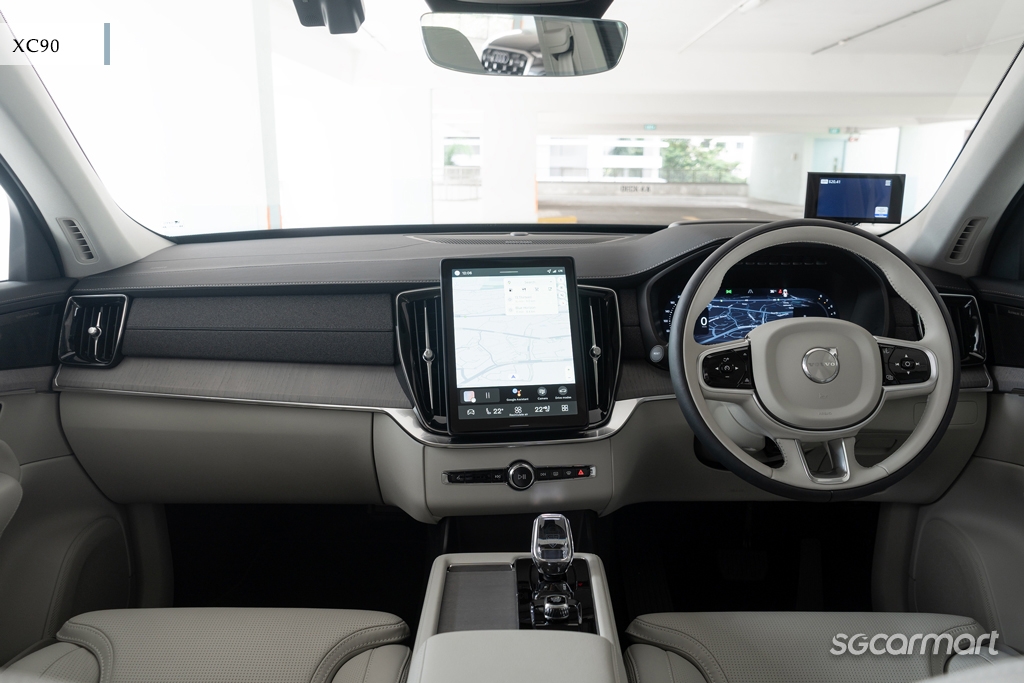
Interior and practicality
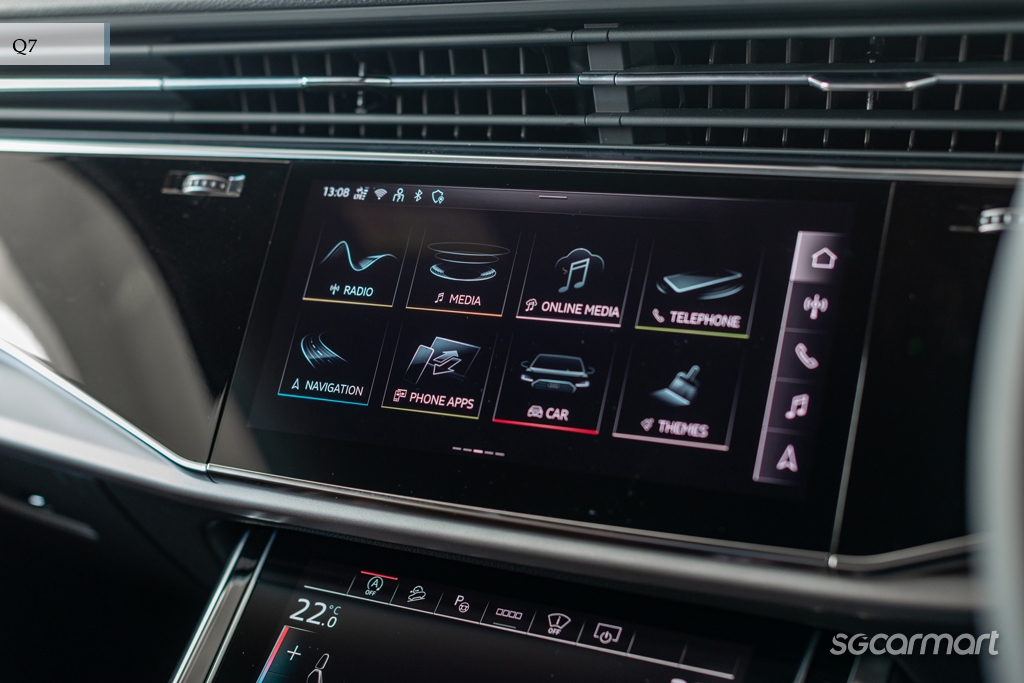
Between the two, it's the Q7's cabin that feels more upmarket thanks to its build quality. It also exudes a more advanced vibe, with a second touchscreen display mainly housing climate controls. As the larger car, it feels even roomier than the XC90 as well.
The XC90 takes the opposite approach when it comes to showcasing its technology. True to its Scandinavian roots, it appeals with its user-friendliness. The single, tablet-like screen does the job equally well, and the menu layout is even more user-friendly than the Q7's.
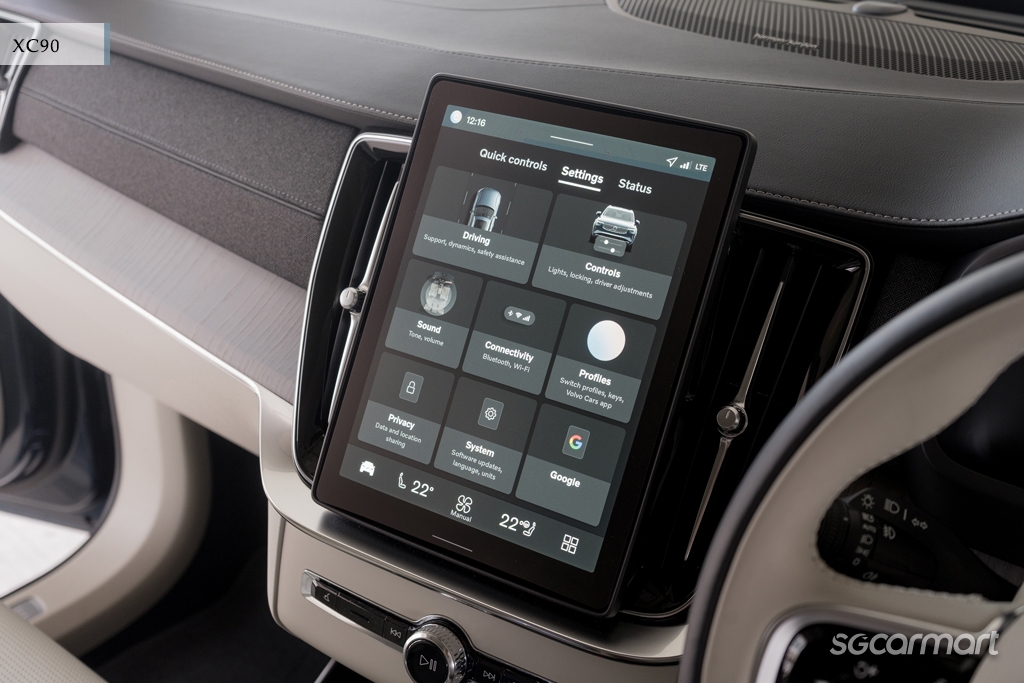
And while having more layout choices for the instrument panel would have been nice, you also wonder if it's necessary. Many new cars have complex systems and numerous functions that owners don't even know about. Swedish simplicity is both refreshing and elegant.
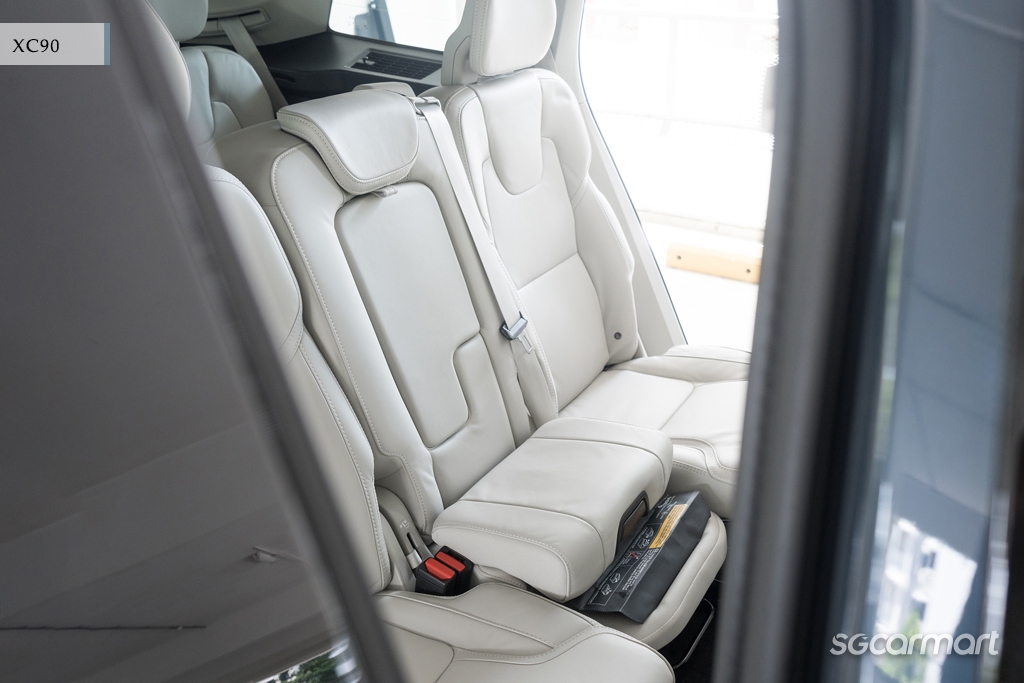
Like the front seats, the XC90's second-row seats are amazingly supportive and comfortable. They cater to families with small children, too, as the centre seat can be converted into a booster seat by moving the squab higher. It's a thoughtful feature that saves parents from having to buy - and install - an additional booster seat.
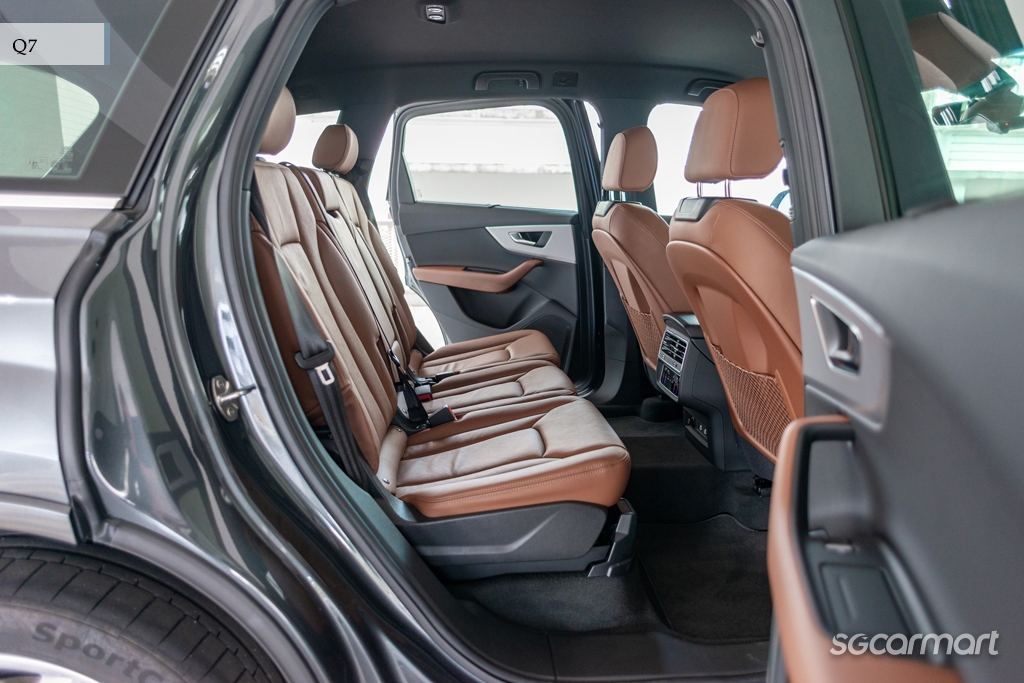
Meanwhile, the Q7 is better suited to adults. Its second row is more spacious thanks to its longer wheelbase and wider body, so three passengers sitting abreast won't rub elbows as much. Like the XC90, there are another two climate zones, as well as air vents on the B-pillars for enhanced cooling.
Surprisingly, the third-row seats in both the Q7 and XC90 are full-sized. But ingress/egress is tricky, requiring you to squeeze past a small aperture. Realistically, these are better suited to kids who are smaller and more limber.
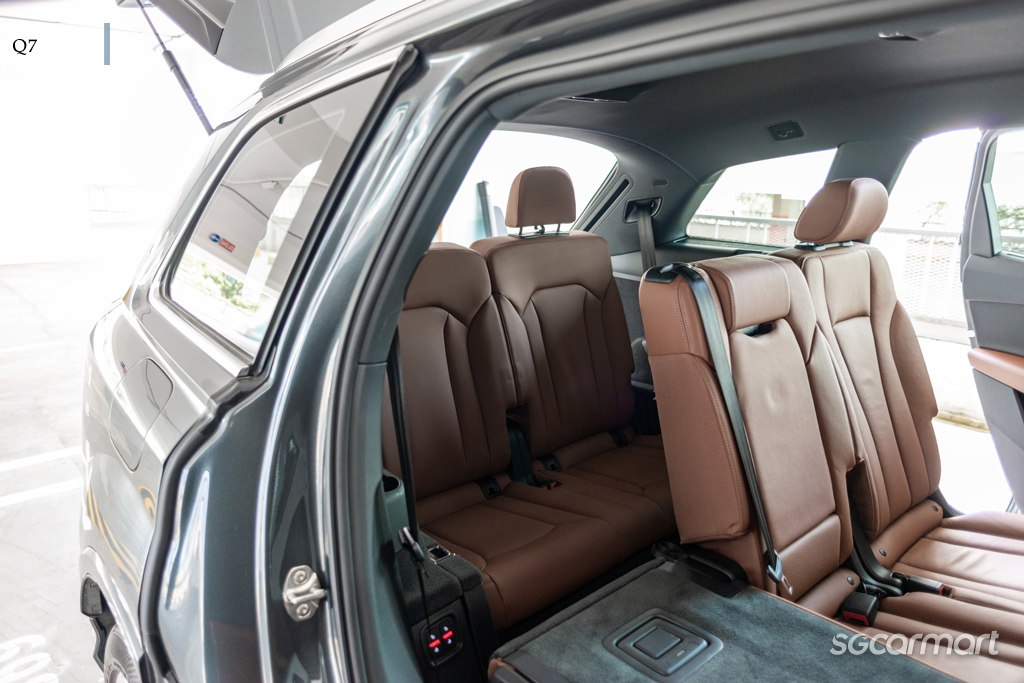
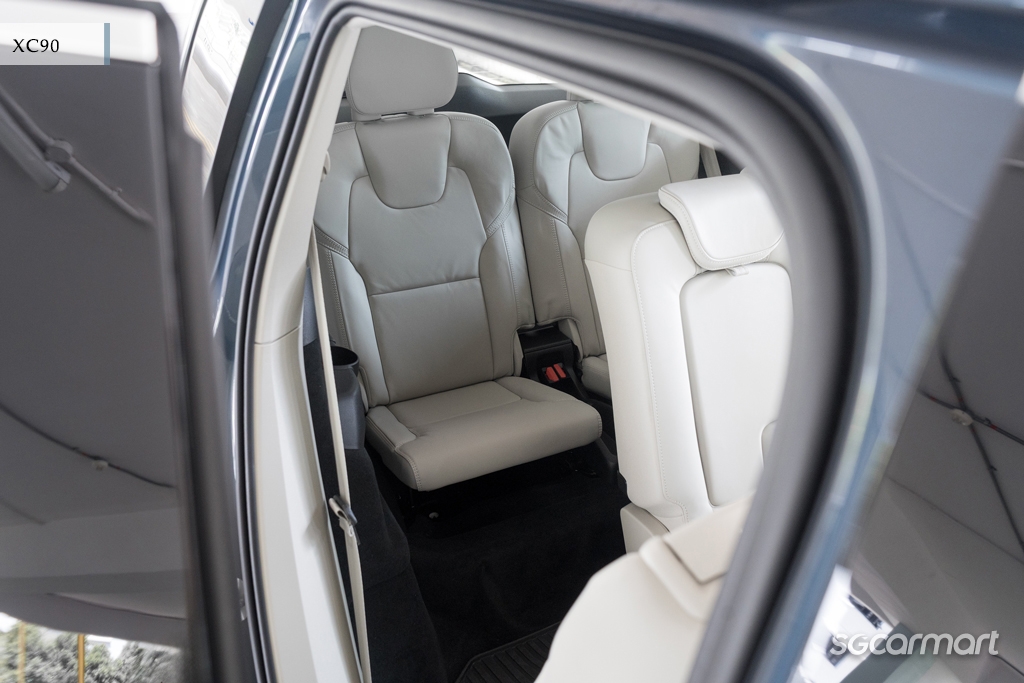
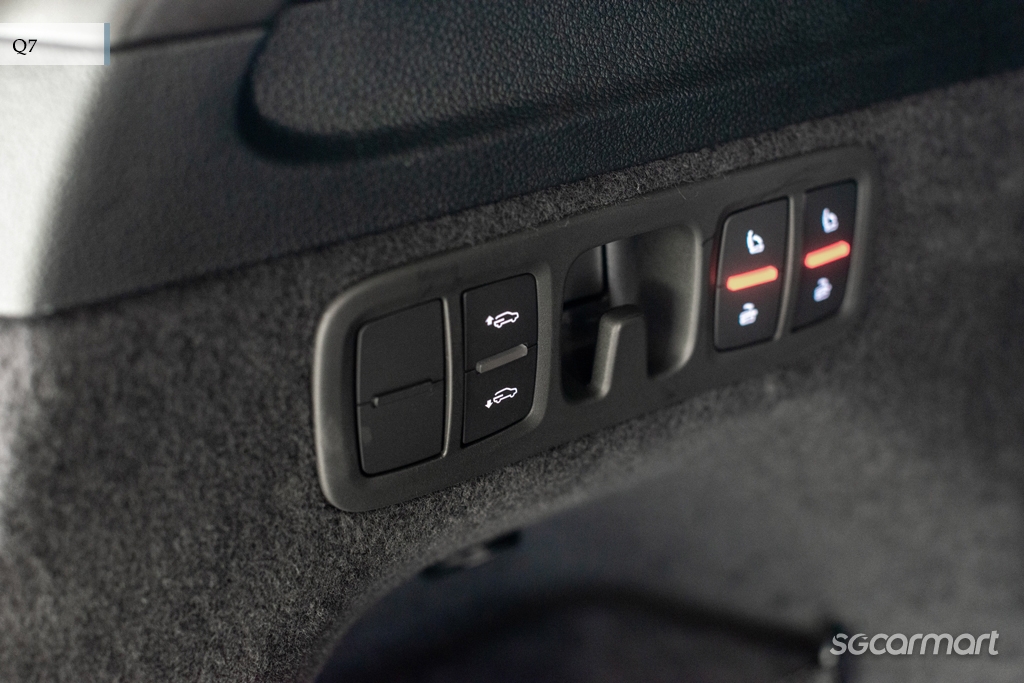
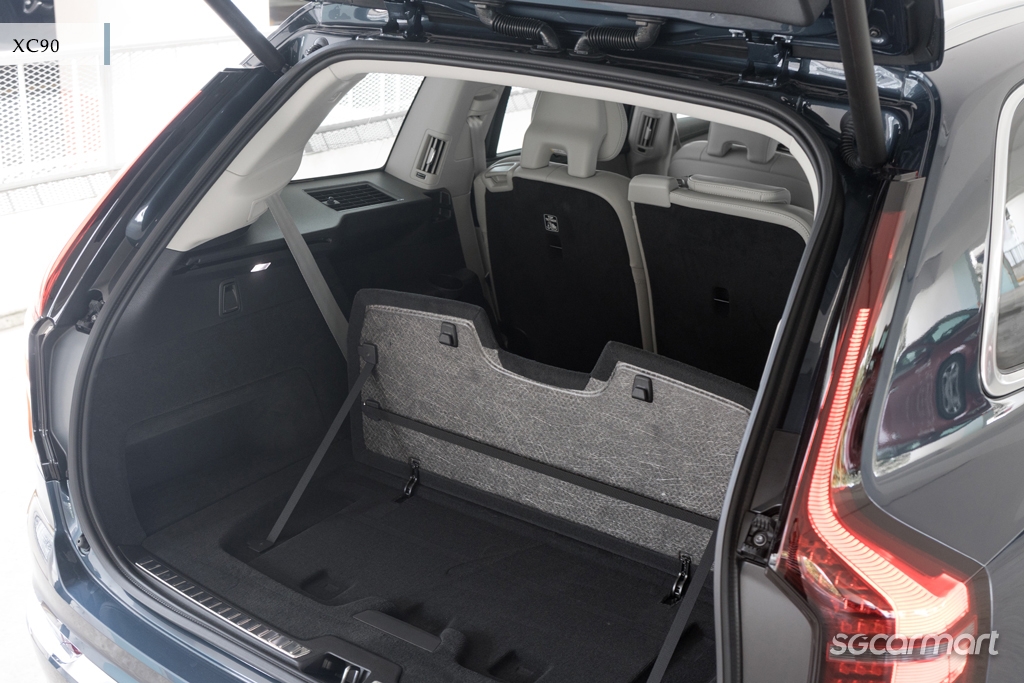
Now, when it comes to convenience, it's the Q7 that takes the cake. Folding down the rear seats is done at a touch of a button, and thanks to air suspension, you can make the rear end 'squat' to facilitate loading and unloading. In the XC90, folding down and redeploying the rearmost seats can be an arm workout.
The Q7 has the edge in luggage capacity as well, offering 780 litres with third-row seats folded and a total of 1,908 litres with both the second and third rows folded. In the XC90, these volumes are 708 litres and 1,194 litres respectively. That said, the XC90 does have a convenient flip-up divider to help prevent loose items from being strewn about.
Hauling prowess
If it's an effortless drive you seek, then it's the Q7 that pleases. The turbocharged 3.0-litre V6 pumps out 335bhp and 500Nm of torque, propelling it from rest to 100km/h in 5.6 seconds. That's despite it weighing 2,115kg, or 100kg more than the XC90.
But don't brush off the XC90 and its turbocharged 2.0-litre engine just yet. Although 249bhp and 360Nm of torque seem modest, the XC90 still finishes the century sprint in 7.7 seconds. In urban stop-start conditions, a two second difference in performance is not an issue.
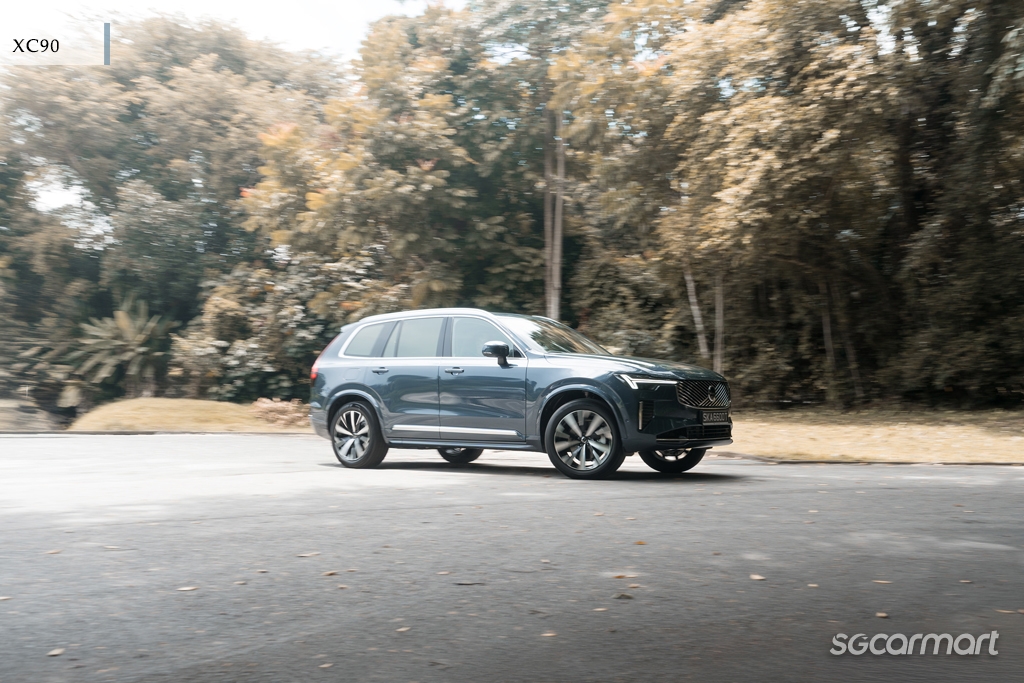
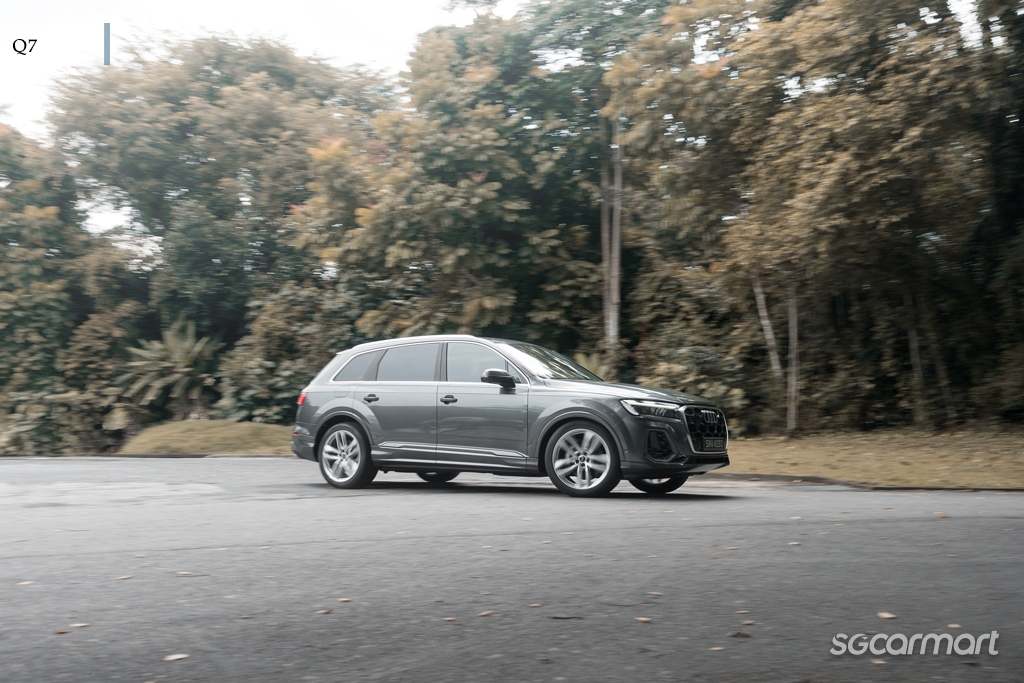
Surprisingly, the XC90 feels more alert and less inert than the Q7. Due to its lighter weight, the XC90 feels more eager off the line, even if it is slower. As a bonus, the XC90 is nimbler around corners, with a quicker turn-in than expected.
The Q7, on the other hand, cossets the driver and occupants. Air suspension irons out lumpy tarmac and glides over speed bumps, while the superior sound insulation keeps road noise from intruding into the cabin. Silence and smoothness are the Q7's calling cards.
Making a decision
The Audi Q7 is the obvious choice because it's larger, roomier and more powerful than the XC90. It plays the luxury card well, with air suspension delivering a pillowy ride, while the powered third-row seats make the versatile cabin convenient as well.
Opting for the Q7 has its drawbacks, though. It's heftier and has rear-wheel steering to reduce its turning circle. And while it is quicker, the bigger engine may result in higher fuel consumption. These goodies also make the Q7 costlier: It retails for $505,999, while the XC90 is priced at $450,000.
Though neither as quick nor as luxurious as the Q7, the XC90's Scandinavian charms prove even more irresistible. The simplicity of the cabin and infotainment system, coupled with the family-friendly second-row, are not easily overlooked. And the SUV's eagerness off-the-line helps make up for the powertrain's gruff soundtrack.
The XC90's lower pricing is tough to ignore. If the Q7 commanded a lower premium (or had the XC90 been costlier still), it would have gotten the nod instead.
These head-to-head stories may interest you as well
The style-conscious MINI Aceman E takes on the minimalist Volvo EX30 in this battle of Cat A COE-friendly premium compact crossovers!
The stylish Jaguar F-PACE Plug-in Hybrid goes against the responsive Volvo XC60 Plug-in Hybrid in this battle of electrified premium SUVs
The Harrier lines up alongside the X-Trail in this contest between two distinct hybrid SUVs