In the beginning, automakers made it easier for us by giving us power steering, cruise control, antilock brakes and electronic stability controls. Then they gave us sophisticated on-board computers that power car entertainment systems and fine-tune our cars' performance on the go. Fortunately some of the same guys with nuclear smarts are now giving us smarter cars, and today we drive sleek aerodynamic vehicles with more computing power than early space shuttles.

In a tight spot
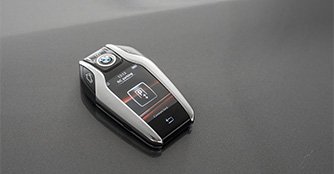
One of these vehicles include the new BMW 7 Series, which comes with BMW's Remote Control Parking feature. A first for any series-produced car, the BMW 7 Series 750Li has a high-tech display key that enables you to manoeuvre the car in or out of forward-parking spaces without anyone at the wheel.
The car will also remind you of speed limits, and stomp on the brakes if you don't see an upcoming hazard and get too close. This technology, as BMW calls it, is Driver Assistance. These systems, in practice if not by design, allow drivers to pay less attention to the road ahead.
In stressful situations where drivers are easily overwhelmed, such as bumper-to-bumper traffic and searching for an address in an unfamiliar HDB estate, semiautonomous systems can be a big help to the driver who is mentally maxed out.
Electric nannies
As automakers pack their cars with more and more semi-autonomous safety technology like adaptive cruise control and automatic braking, driving a car becomes easier and easier. We are, essentially, given less to pay attention to while we're taught that our cars are watching out for us.
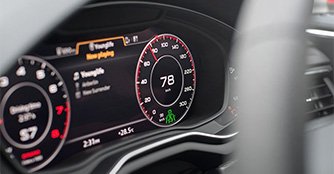
The Audi A4 for example comes with adaptive cruise control that ensures your car slows with traffic, and lane departure warning technology that tells you when you've strayed over the line. Some cars will tell you when you're nodding off, while others will actually stop your car if a pedestrian steps into traffic.
Technological crutches like adaptive cruise control and active lane are making us not only worse drivers - they could also be making us stupid. Give people too little to pay attention to and they'll become complacent. Give them too much and they'll become overwhelmed.
The big problem with semi-autonomous vehicles is summed up by the adjective used to describe them. The 'semi' in semi-autonomous means the technology still requires human interaction. That can throw a wrench in the works.
Not quite there yet
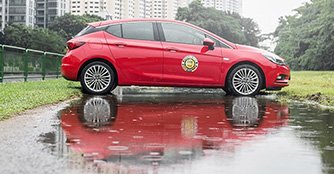
According to automaker Opel, 80 percent of accidents happen due to our lack of attention. And this is why the latest generation Opel Eye safety system found in the seventh generation Astra is designed to pay attention to everything you might miss. Its forward collision alert constantly monitors speed and gap between vehicles in front of you, to prevent collision it can brake automatically at speeds of up to 60km/h.
But no matter the amount of active safety systems, drivers must know what the technology can and cannot do so they don't rely upon it in situations where it won't work. Your car can't tell if you're tired, daydreaming or listening to a conference call on speakerphone. Therefore, it doesn't know whether it's appropriate to engage active safe features.
Perhaps semi-autonomous vehicles work best with drivers who trust the technology and are adequately trained how and when to use it. Gaining trust in new technology isn't a problem - you don't see many people demanding cars without antilock brakes or airbags - but teaching drivers how to use it poses unique challenges.
So until we can kick our habit of constantly having to text, update FaceBook, or catch Pokemons while driving, our gut tells us that whatever safety features that automakers might come up with, they will never be able to save us from ourselves.