View page in desktop
|
Report error
  •   Apple app store icon
  • Google play store icon
Terms of Service
|
Privacy Policy
|
PDPA
|
Site Map
©2004-2026 Sgcarmart, Singapore. All rights reserved.
  • Home
  • Car Articles
  • features
  • features Listings
  • Features
  • Motoring Icons: JDM legends - Mazda RX-7 FD

    20 Sep 2024

    |

    5,751 views

    Mazda's RX-7 is known for its sleek shape, but above all else, its unique powertrain - the Rotary engine.

    In the 80s, Japan's economy was in a boom - Japan-made products were being sold all over the world, and the entire country was teeming with money. Naturally, many companies, car manufacturers included, had the financial prowess to experiment and to come up with cutting-edge products.

    Consequentially, many wonderful sports cars were introduced in the 90s, dubbed the golden era of Japanese sports cars. Nissan had the Skyline GT-R, Toyota had the Supra, Mitsubishi had the 3000GT/GTO, Honda had the NSX, and Mazda, the RX-7. While all these JDM legends were amazing in their own rights, the RX-7 had something special going for it - its unique engine. 

    On this installation of Motoring Icons, we are going to dive into the Rotary-powered sports car from the 90s: The Mazda RX-7 FD.
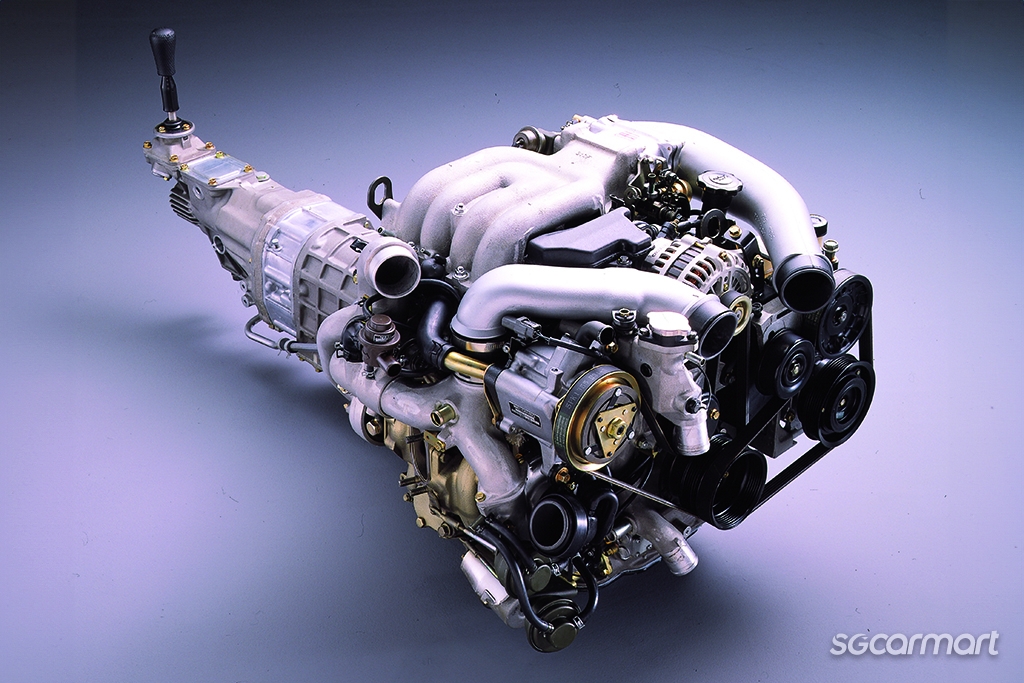
    Offered in many versions, the 13B-REW in the RX-7 FD had a sequential twin-turbo setup

    Powertrain

    Engine: 13B-REW 1,308cc twin-rotor twin-turbo Rotary engine

    Horsepower: 236bhp - 261bhp

    Torque: 294Nm

    Drivetrain layout: Front-engine, rear-wheel drive
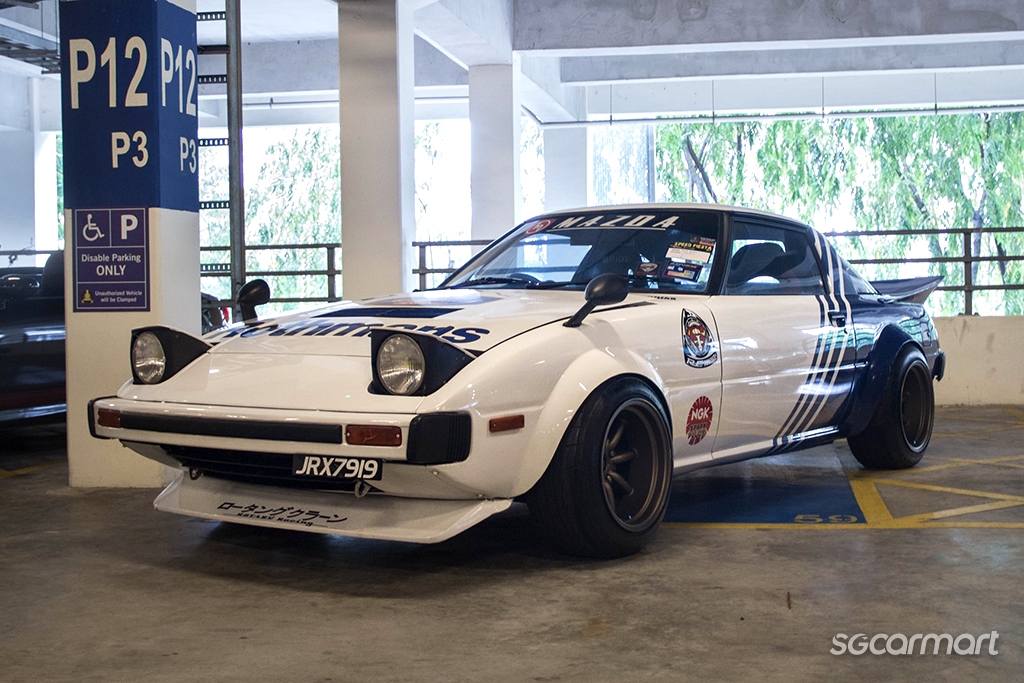
    The RX-7 FD is preceded by the second-generation RX-7 (FC) and the first-generation RX-7 (FB or SA22C), and all three generations of RX-7s have pop-up head lights

    History of the Mazda RX-7 FD

    Released towards the tail-end of 1991, the FD is the third generation of Mazda's RX-7 line of sports cars. In case you are wondering, 'FD' is derived from the chassis code (FD3S) of these cars - it succeeds the FC (second generation) and FB/SA22C (first generation) RX-7s.

    The third-generation RX-7 (FD) is the first to be equipped with twin-turbochargers. 

    Powered by the 13B-REW twin-rotor rotary engine, the RX-7 FD is the first RX-7 to be equipped with twin-turbochargers. Unlike most twin-turbo setups that see the job of generating boost split equally between two turbochargers, the FD has a sequential twin-turbo, with one turbo catering to low rpms, and the other for the higher rev range.

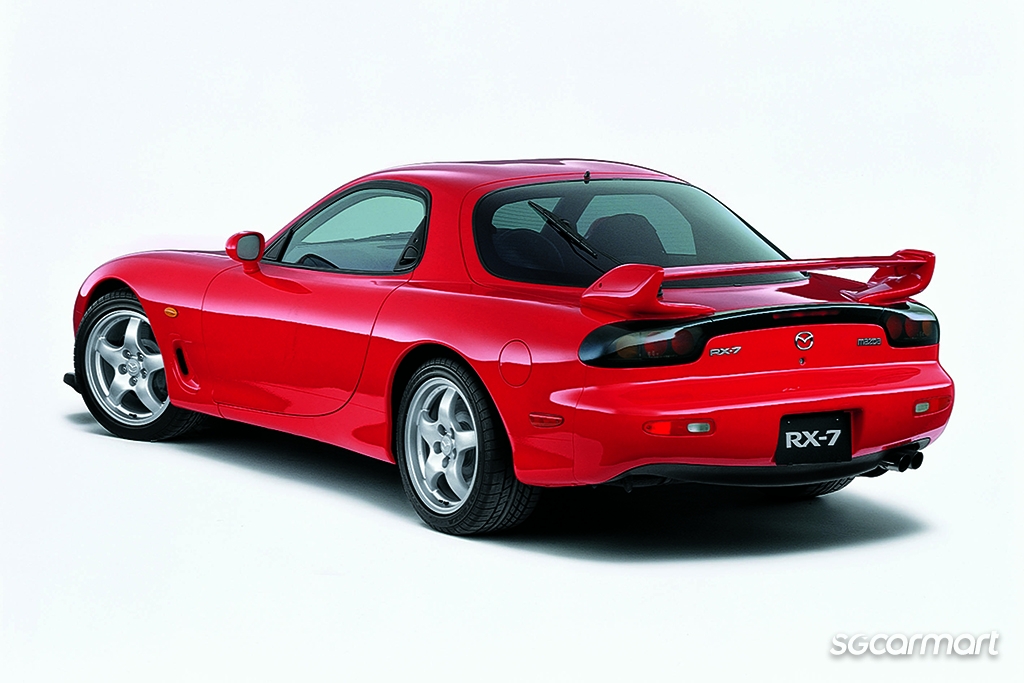
    While all three generations of RX-7 are sleek two-door coupes with pop-up head lights, the FD's design was quite a departure from the original design language. Both the SA22C and the FC are boxy and had more sharp edges than curves, but the FD had rounded edges and swoopy curves. As a result, the FD's design is widely regarded as a timeless one that still looks amazing when compared against modern machinery. 

    Unlike its predecessors, the RX-7 FD has a curvy and timeless design

    Allure - beautiful and timeless sports car with a unique powertrain

    To explain the allure of the RX-7 FD and, to a large part, its predecessors, you'll have to start with its unique engine. Sending power to the rear wheels of the RX-7 is the iconic 13B rotary engine. Unlike your conventional internal combustion engines, which feature reciprocating pistons within cylinders, the rotary engine doesn't have any pistons, conrods or a valvetrain.

    Unlike conventional engines with pistons, the rotary engine has a triangular shaped rotor within a housing with ports for intake and exhaust, negating the need of a valvetrain

    The rotary engine, also known as a Wankel engine, uses a triangular shaped rotor that rotates while guided by gears around the eccentric output shaft, and within a housing with ports for intake and exhaust. The edges of the rotor seals against the wall of the housing, resulting in three constantly moving chambers as the rotor rotates. Hence, each side of the rotor will complete the four-stage Otto cycle of intake, compression, expansion and exhaust as the rotor rotates, and having three sides, three power pulses are generated with each rotation of the rotor.

    Yes, how a rotary engine works is complicated and confusing, but the takeaway from this is that due to its design, the rotary engine is much more compact (and lightweight), runs smoothly, is powerful and can rev to higher rpms.

    The compact size of the 13B rotary engine is part of the reason that the RX-7 is able to have such a sleek and low front end

    Much of the allure of the RX-7 is due to its engine - the compact footprint and low weight of the engine makes the low nose possible, and it also helps with a lower centre of gravity along with other packaging benefits such as better weight distribution. Its ability to rev high and smoothly, all while generating a unique soundtrack, further adds to the car's character. Of course, its potential to produce plenty of power also makes it an enthusiast favourite.

    Engine aside, the RX-7 FD is an elegant sports coupe that is known for its excellent handling and performance.

    From anime to blockbuster movies, the RX-7 FD is well-loved!

    Cultural significance - Motorsport, Anime, Movies, Games, the FD is a legend! 

    This could very well be one of the most popular sports cars out there. The RX-7 FD is a pop icon - it is driven by one of the protagonists in the Initial D anime, featured in all kinds of games including Need For Speed, Gran Turismo, Forza Motorsports, and also often used in motorsports.

    The RX-7 FD is well-supported by the aftermarket - brands such as RX-7 specialist RE Amemiya offer many popular parts for it

    Fast and Furious Tokyo Drift features an iconic orange and black RX-7 FD heavily modified by Japanese tuner Veilside as Han's car. In Initial D, Keisuke drives a yellow FD that is eventually modified with a widebody kit and various parts from RX-7 specialist RE Amemiya.

    The RX-7 is great for both the grip and drift circuits: RE Amemiya participated in the JGTC with a modified RX-7 FD; the A'PEXI Stage D RX-7 FD was an iconic drift car

    RE Amemiya participated in the All-Japan Grand Touring car Championship with a modified RX-7 FD in 1995. Around the world, the RX-7 FD is a popular car for track duties, along with drifting. The A'PEXI Stage D RX-7 FD was an iconic drift car that participated in the D1GP drift championship.

    Mazda's now-defunct in-house performance division, Mazdaspeed, along with other brands such as SCOOT, are among the aftermarket options that RX-7 owners could opt for

    Being such a well-loved sports car, there are countless aftermarket upgrades available for the RX-7 FD. Brands such as Mazda's now-defunct in-house performance division, Mazdaspeed, along with RE Amemiya, SCOOT, Panspeed, Fujita Engineering, and R Magic, are just some of the famous companies that specialise in rotary-powered cars such as the RX-7. Many of these brands have also created iconic examples of highly-modified RX-7 FDs that are well loved by car enthusiasts.

    Pulse Performance New Zealand builds and sells custom rotary engines with up to six rotors!

    Outside of Japan, the RX-7 FD and its rotary engine also see plenty of love. Another interesting thing about rotary engines is how the engine is kind of 'modular', in the sense that with a longer eccentric shaft, you can combine more rotors together to create a larger and more powerful engine. As a result, there are aftermarket rotary engines featuring four or more rotors (the four rotor is typically called a 26B) - Pulse Performance from New Zealand even offers a six-rotor engine that is designed to produce over 820 horsepower without forced induction!

    Mazda's Le Mans legend 787B was equipped with a four-rotor engine

    In fact, Mazda's own legendary Le Mans-winning 787B was equipped with a four-rotor 26B engine that produces 690bhp at 9,000rpm!

    Rare, expensive and eccentric

    There aren't many RX-7 FDs left in Singapore, and there's currently just one unit on the used car market, asking for a price that works out to over $60,000 in annual depreciation. Such ludicrous pricing means it wouldn't make much sense to buy an RX-7 FD even if you are attracted to it.

    Additionally, rotary engines, while unique, aren't known to be the easiest to maintain. Anecdotes suggest these engines typically require a rebuild every 100,000km or lesser - normal piston engines would only require a major servicing at such a mileage. Furthermore, the quirkiness of the rotary engine means you'll need to approach specialist workshops to ensure the best care for them as well.

    Hence, owning an RX-7 FD is not something that is easily achievable in Singapore, nor would it make plenty of sense - especially with the LTA regulations restricting you from heavily modifying these cars, which is what they are really meant for, if you were to ask me.

    If you want to experience a rotary engine-powered car, the RX-8 might be the best bet these days

    If you still want to drive something that is powered by a rotary engine, a Mazda RX-8, the successor of the RX-7, would be your best choice - these are still available in the market for a reasonable cost. However, the RX-8 isn't turbocharged and its shape is a drastic departure from the RX-7 FD's timeless design.

    Enjoyed reading about the RX-7 FD? Here are some other iconic cars that you can read about:

    Motoring Icons: JDM Legends - Toyota Corolla AE86

    Motoring Icons: JDM Legends - Mazda NA MX-5

    Motoring Icons: JDM Legends - Honda Civic VTi/SiR (EG6)

    Goh Zhi Xuan
    Story by Goh Zhi Xuan
    Zhi Xuan is still living in the 80s when it comes to cars. The irony - he's born in 95'.
    Photos by Goh Zhi Xuan, Mazda, Initial D Wiki, Google Images, rx7central.com - Akomix, Facebook: RE Amemiya, SCOOT Sports, A'PEXI USA, PPRE
    24.4k

    Tags

    motoring icons jdm jdm legends sports car performance car mazda mazda rx7 mazda rx-7 rotary rotrary engine wankel engine japan domestic market turbocharged twin-turbocharged

    AllReviewsNewsAdviceFeaturesVideos
    • Home
    • Car Articles
    • features
    • features Listings
    • Features

    Motoring Icons: JDM legends - Mazda RX-7 FD

    20 Sep 2024

    |

    5,751 views

    Mazda's RX-7 is known for its sleek shape, but above all else, its unique powertrain - the Rotary engine.

    In the 80s, Japan's economy was in a boom - Japan-made products were being sold all over the world, and the entire country was teeming with money. Naturally, many companies, car manufacturers included, had the financial prowess to experiment and to come up with cutting-edge products.

    Consequentially, many wonderful sports cars were introduced in the 90s, dubbed the golden era of Japanese sports cars. Nissan had the Skyline GT-R, Toyota had the Supra, Mitsubishi had the 3000GT/GTO, Honda had the NSX, and Mazda, the RX-7. While all these JDM legends were amazing in their own rights, the RX-7 had something special going for it - its unique engine. 

    On this installation of Motoring Icons, we are going to dive into the Rotary-powered sports car from the 90s: The Mazda RX-7 FD.

    Offered in many versions, the 13B-REW in the RX-7 FD had a sequential twin-turbo setup

    Powertrain

    Engine: 13B-REW 1,308cc twin-rotor twin-turbo Rotary engine

    Horsepower: 236bhp - 261bhp

    Torque: 294Nm

    Drivetrain layout: Front-engine, rear-wheel drive
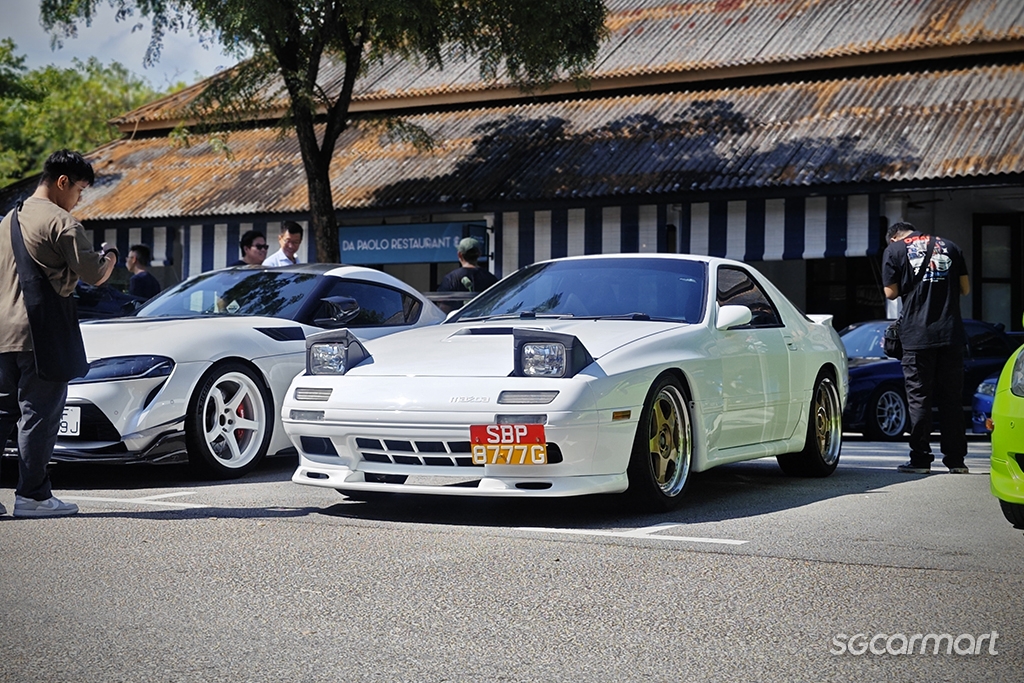
    The RX-7 FD is preceded by the second-generation RX-7 (FC) and the first-generation RX-7 (FB or SA22C), and all three generations of RX-7s have pop-up head lights

    History of the Mazda RX-7 FD

    Released towards the tail-end of 1991, the FD is the third generation of Mazda's RX-7 line of sports cars. In case you are wondering, 'FD' is derived from the chassis code (FD3S) of these cars - it succeeds the FC (second generation) and FB/SA22C (first generation) RX-7s.
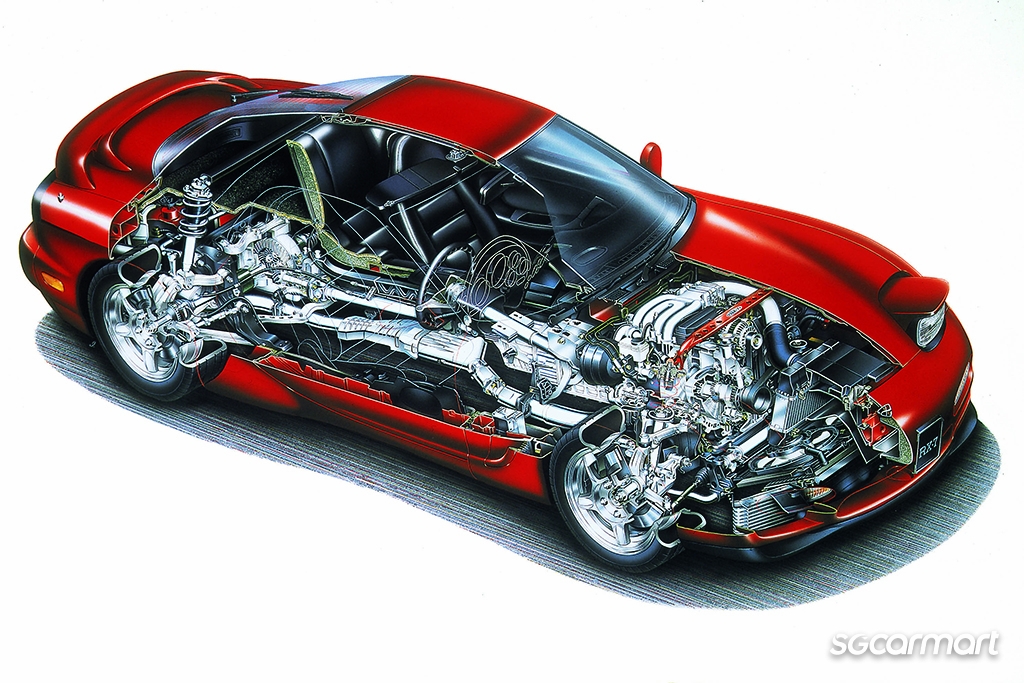
    The third-generation RX-7 (FD) is the first to be equipped with twin-turbochargers. 

    Powered by the 13B-REW twin-rotor rotary engine, the RX-7 FD is the first RX-7 to be equipped with twin-turbochargers. Unlike most twin-turbo setups that see the job of generating boost split equally between two turbochargers, the FD has a sequential twin-turbo, with one turbo catering to low rpms, and the other for the higher rev range.

    While all three generations of RX-7 are sleek two-door coupes with pop-up head lights, the FD's design was quite a departure from the original design language. Both the SA22C and the FC are boxy and had more sharp edges than curves, but the FD had rounded edges and swoopy curves. As a result, the FD's design is widely regarded as a timeless one that still looks amazing when compared against modern machinery. 
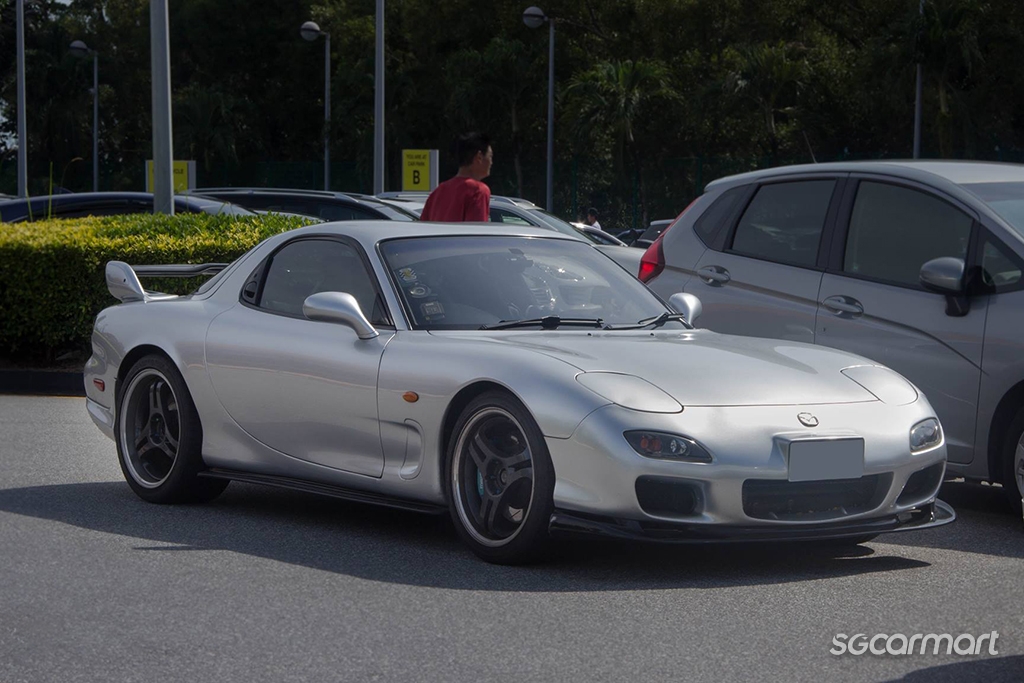
    Unlike its predecessors, the RX-7 FD has a curvy and timeless design

    Allure - beautiful and timeless sports car with a unique powertrain

    To explain the allure of the RX-7 FD and, to a large part, its predecessors, you'll have to start with its unique engine. Sending power to the rear wheels of the RX-7 is the iconic 13B rotary engine. Unlike your conventional internal combustion engines, which feature reciprocating pistons within cylinders, the rotary engine doesn't have any pistons, conrods or a valvetrain.
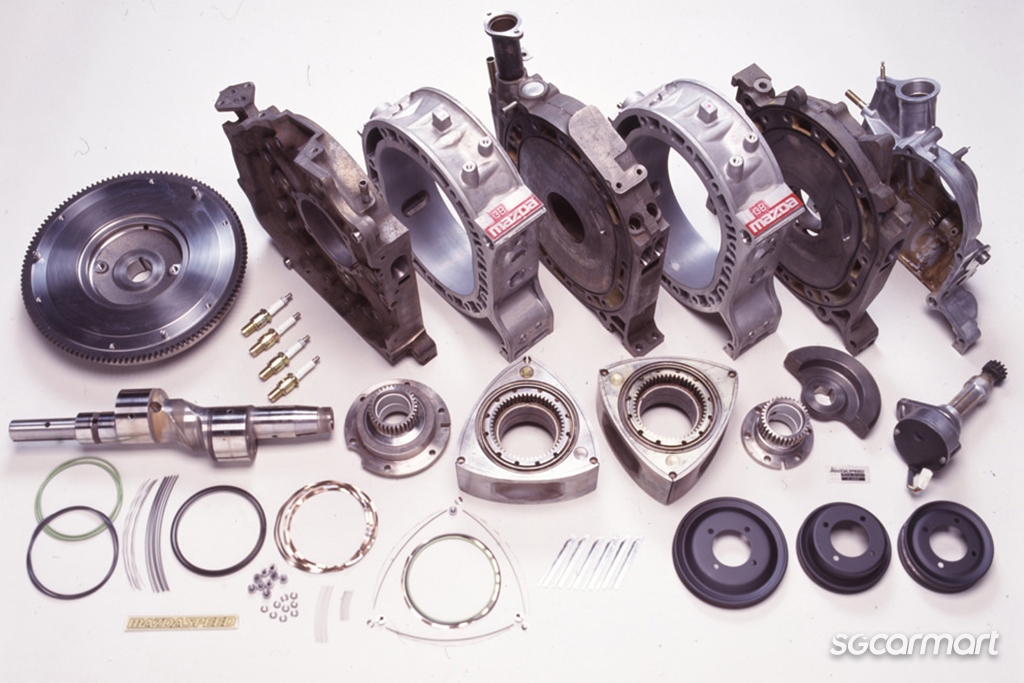
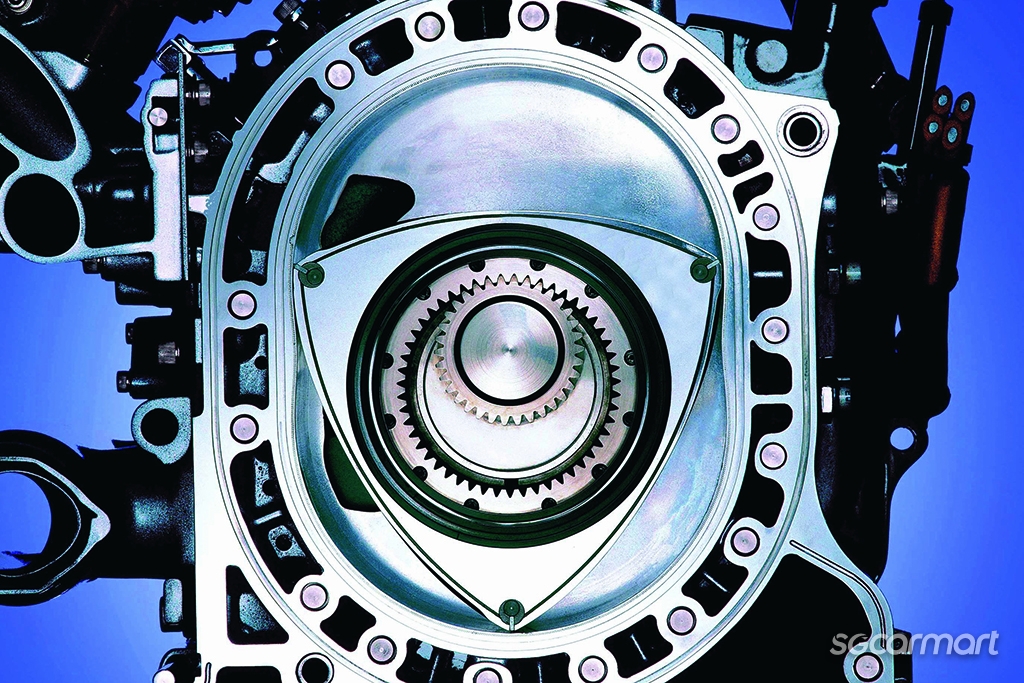
    Unlike conventional engines with pistons, the rotary engine has a triangular shaped rotor within a housing with ports for intake and exhaust, negating the need of a valvetrain

    The rotary engine, also known as a Wankel engine, uses a triangular shaped rotor that rotates while guided by gears around the eccentric output shaft, and within a housing with ports for intake and exhaust. The edges of the rotor seals against the wall of the housing, resulting in three constantly moving chambers as the rotor rotates. Hence, each side of the rotor will complete the four-stage Otto cycle of intake, compression, expansion and exhaust as the rotor rotates, and having three sides, three power pulses are generated with each rotation of the rotor.

    Yes, how a rotary engine works is complicated and confusing, but the takeaway from this is that due to its design, the rotary engine is much more compact (and lightweight), runs smoothly, is powerful and can rev to higher rpms.
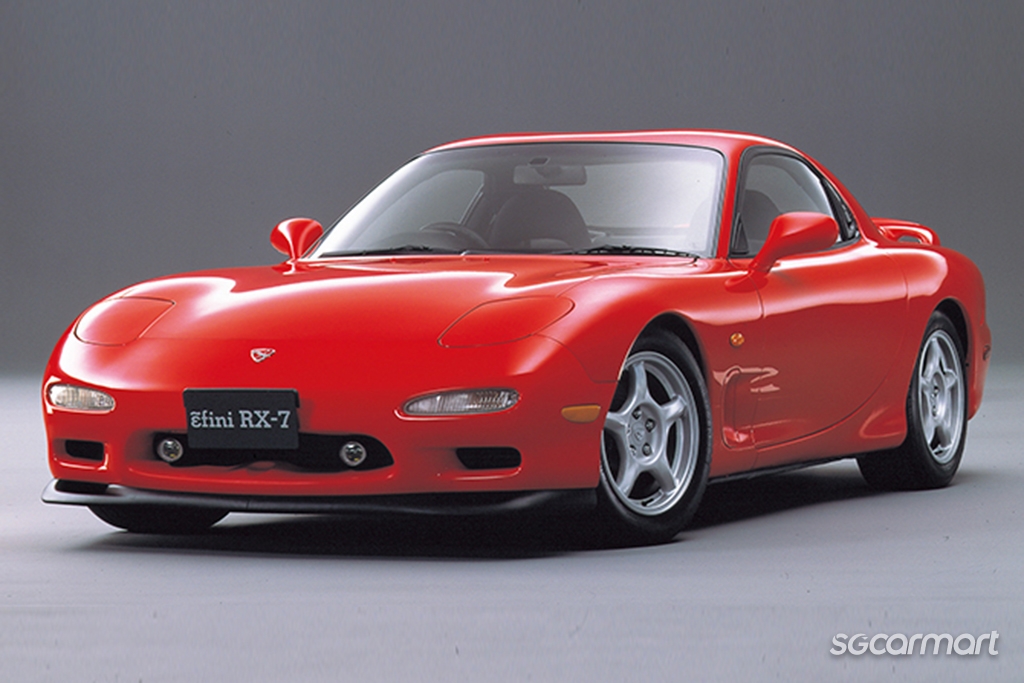
    The compact size of the 13B rotary engine is part of the reason that the RX-7 is able to have such a sleek and low front end

    Much of the allure of the RX-7 is due to its engine - the compact footprint and low weight of the engine makes the low nose possible, and it also helps with a lower centre of gravity along with other packaging benefits such as better weight distribution. Its ability to rev high and smoothly, all while generating a unique soundtrack, further adds to the car's character. Of course, its potential to produce plenty of power also makes it an enthusiast favourite.
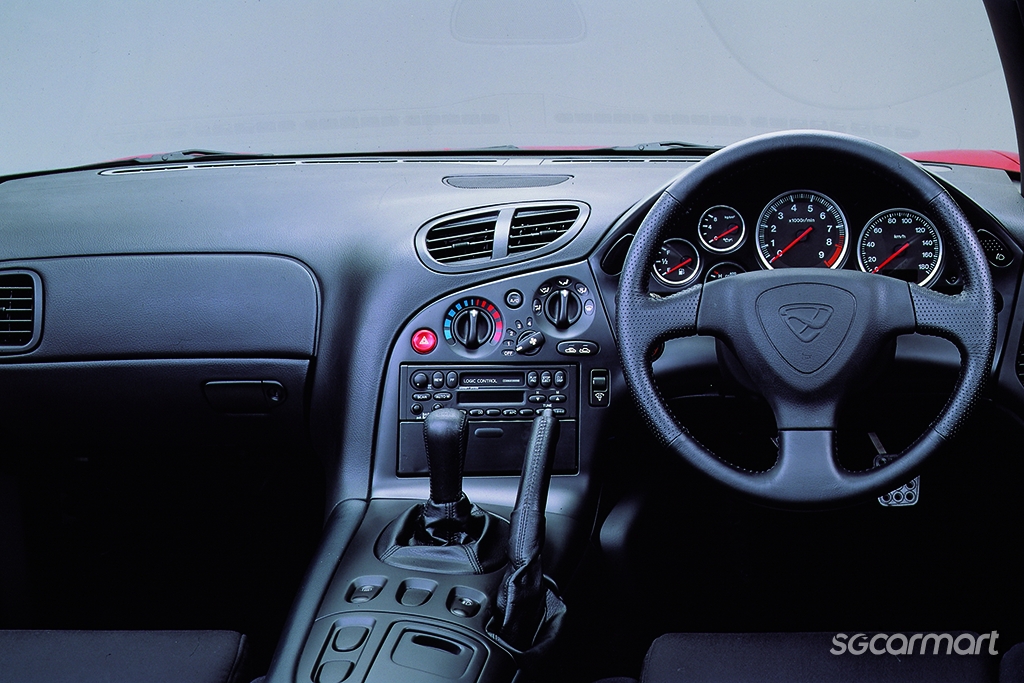
    Engine aside, the RX-7 FD is an elegant sports coupe that is known for its excellent handling and performance.
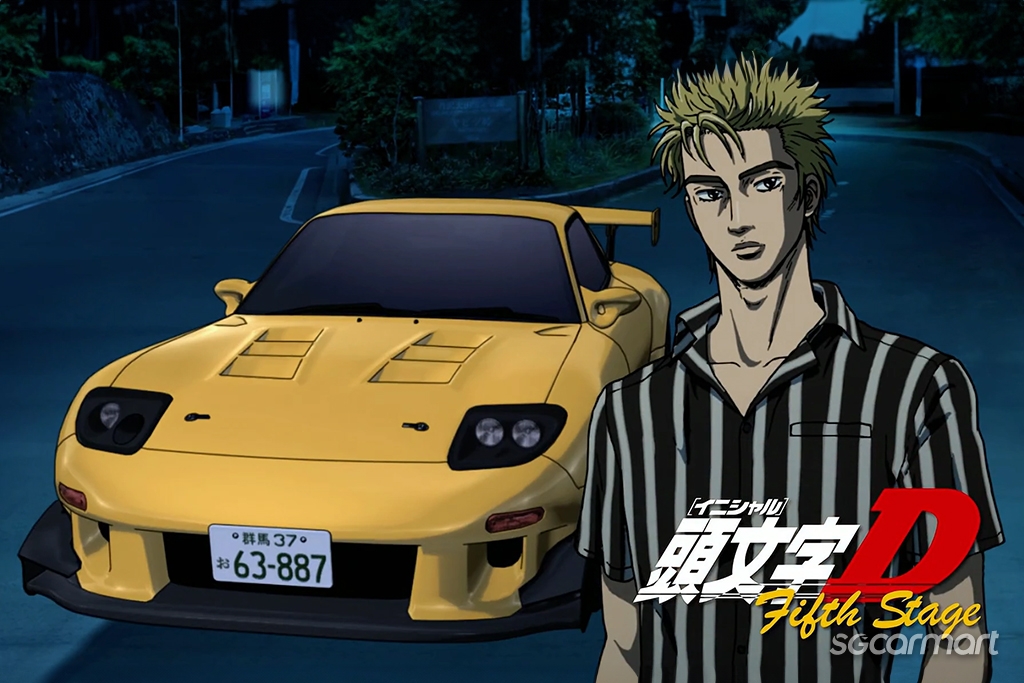
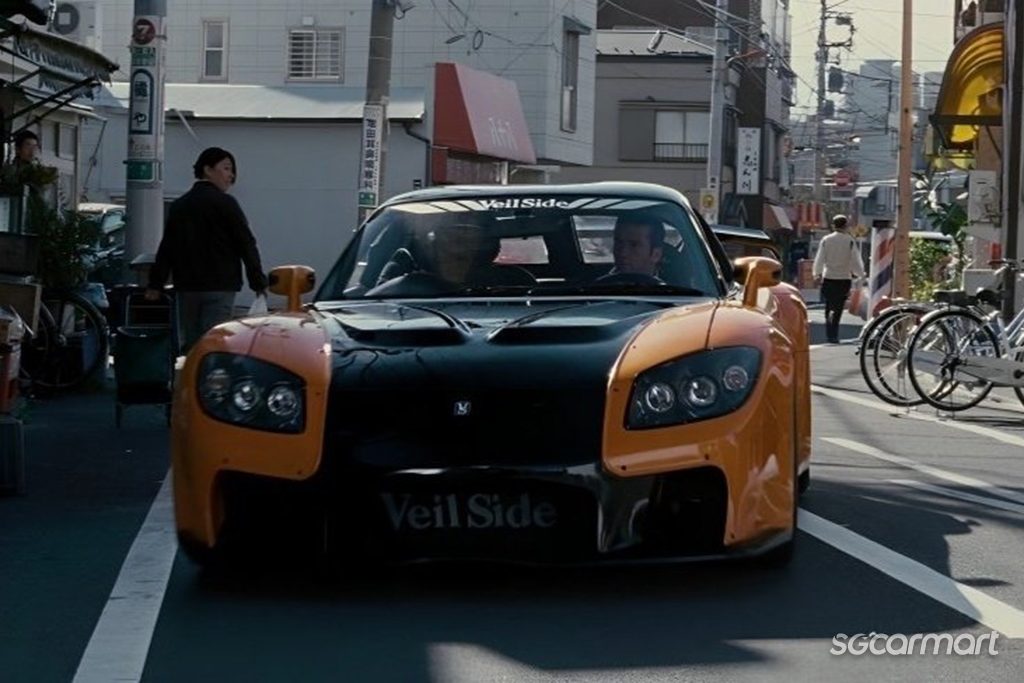
    From anime to blockbuster movies, the RX-7 FD is well-loved!

    Cultural significance - Motorsport, Anime, Movies, Games, the FD is a legend! 

    This could very well be one of the most popular sports cars out there. The RX-7 FD is a pop icon - it is driven by one of the protagonists in the Initial D anime, featured in all kinds of games including Need For Speed, Gran Turismo, Forza Motorsports, and also often used in motorsports.
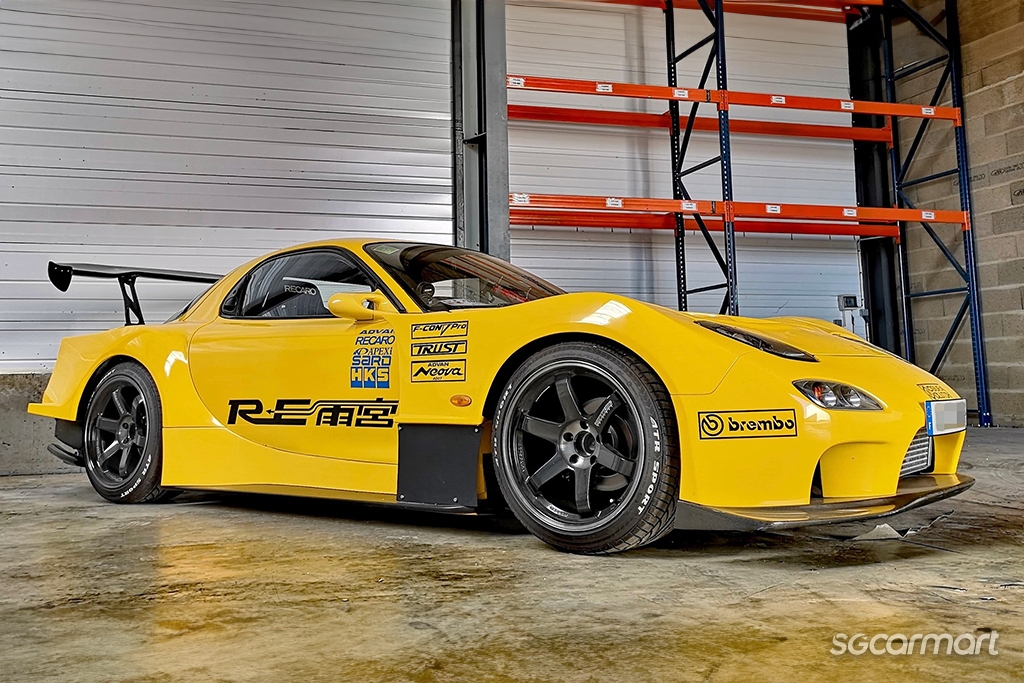
    The RX-7 FD is well-supported by the aftermarket - brands such as RX-7 specialist RE Amemiya offer many popular parts for it

    Fast and Furious Tokyo Drift features an iconic orange and black RX-7 FD heavily modified by Japanese tuner Veilside as Han's car. In Initial D, Keisuke drives a yellow FD that is eventually modified with a widebody kit and various parts from RX-7 specialist RE Amemiya.
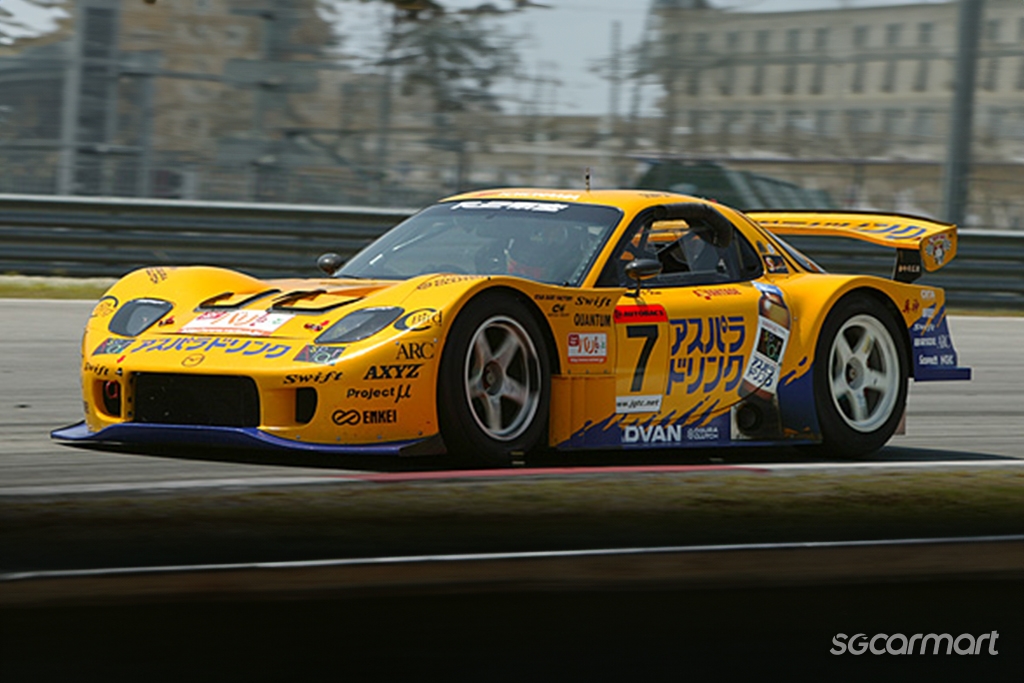
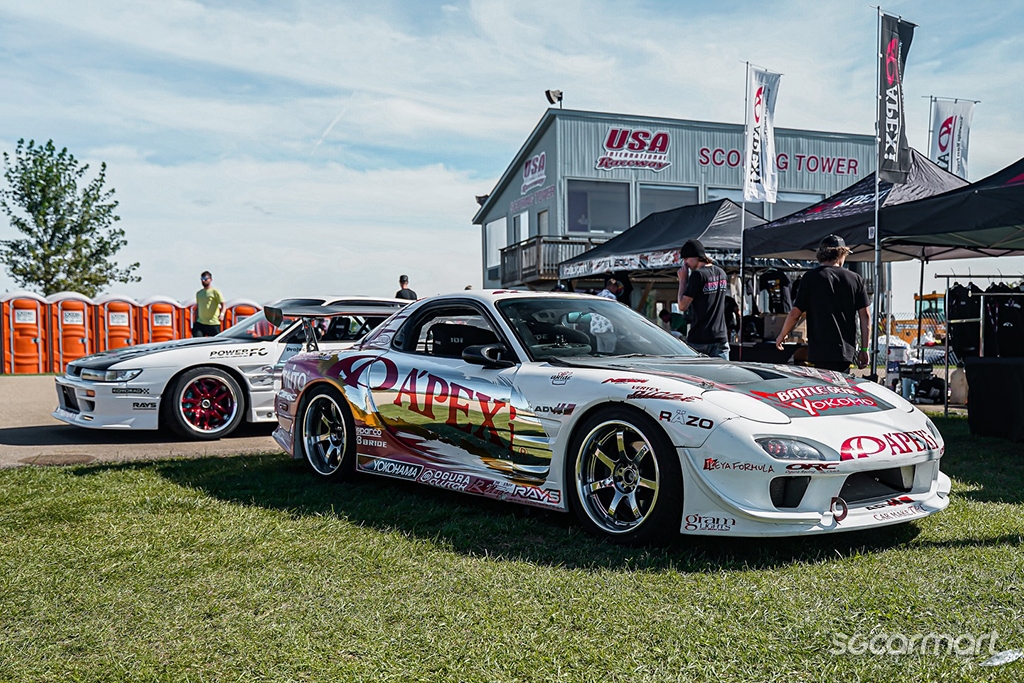
    The RX-7 is great for both the grip and drift circuits: RE Amemiya participated in the JGTC with a modified RX-7 FD; the A'PEXI Stage D RX-7 FD was an iconic drift car

    RE Amemiya participated in the All-Japan Grand Touring car Championship with a modified RX-7 FD in 1995. Around the world, the RX-7 FD is a popular car for track duties, along with drifting. The A'PEXI Stage D RX-7 FD was an iconic drift car that participated in the D1GP drift championship.
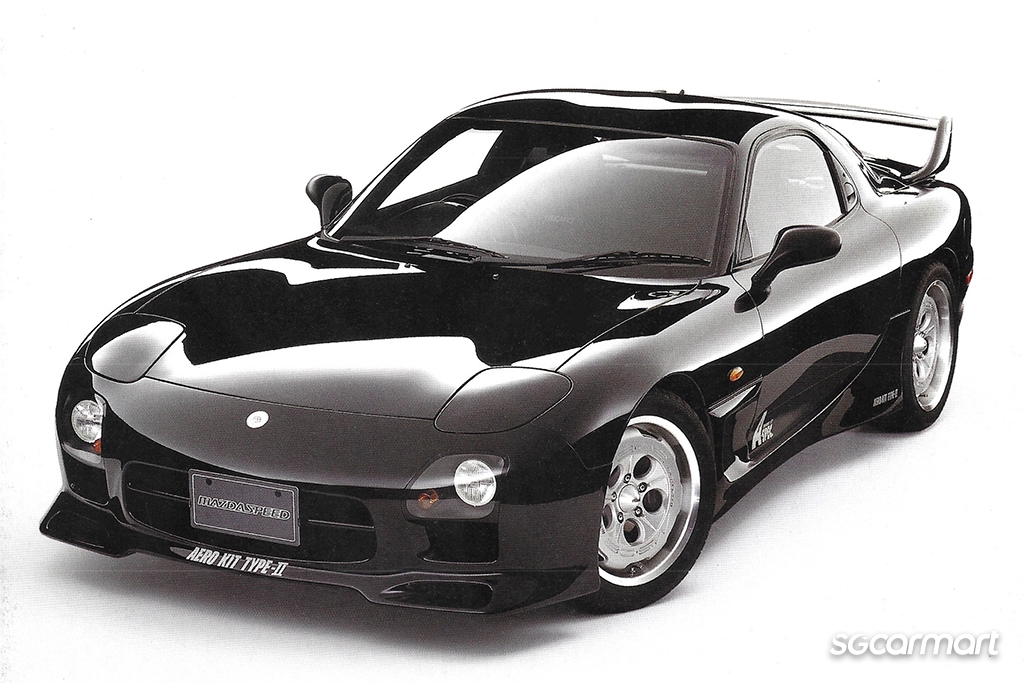
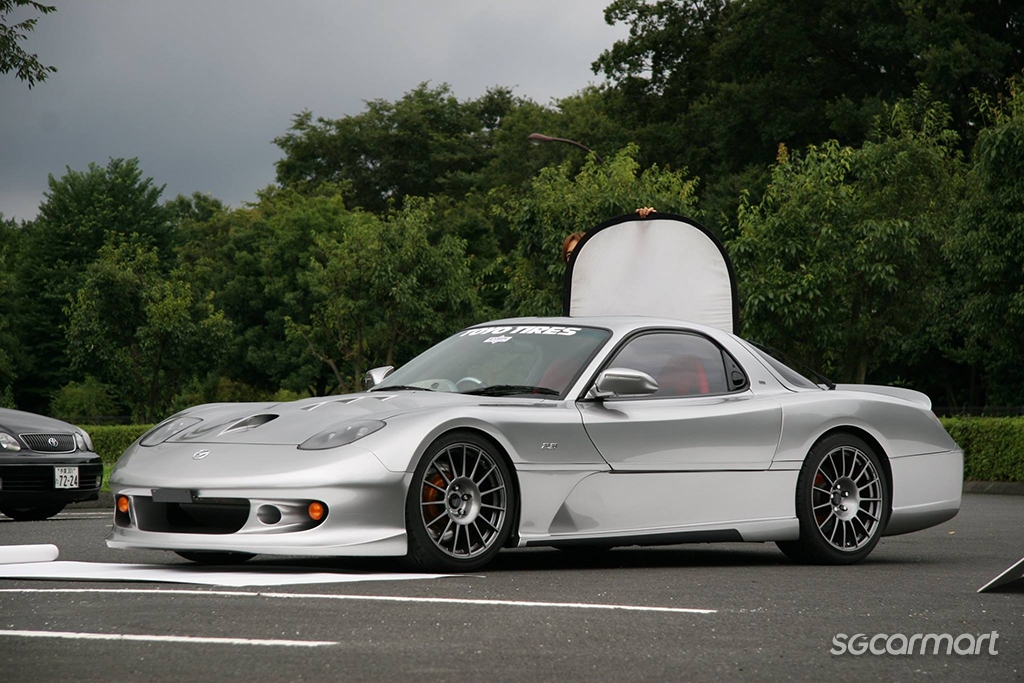
    Mazda's now-defunct in-house performance division, Mazdaspeed, along with other brands such as SCOOT, are among the aftermarket options that RX-7 owners could opt for

    Being such a well-loved sports car, there are countless aftermarket upgrades available for the RX-7 FD. Brands such as Mazda's now-defunct in-house performance division, Mazdaspeed, along with RE Amemiya, SCOOT, Panspeed, Fujita Engineering, and R Magic, are just some of the famous companies that specialise in rotary-powered cars such as the RX-7. Many of these brands have also created iconic examples of highly-modified RX-7 FDs that are well loved by car enthusiasts.
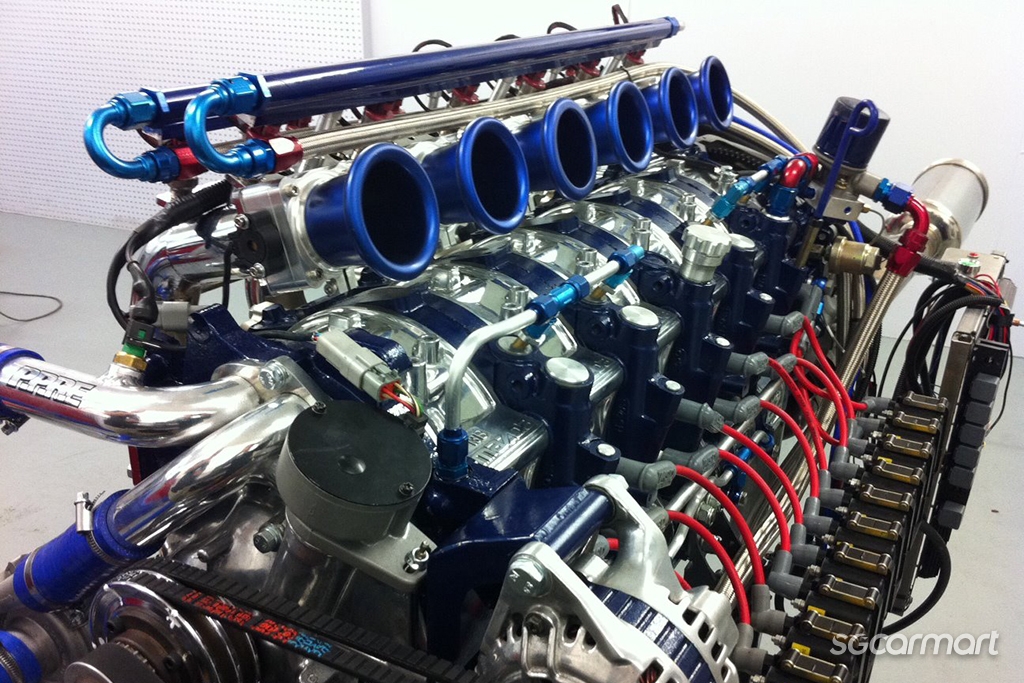
    Pulse Performance New Zealand builds and sells custom rotary engines with up to six rotors!

    Outside of Japan, the RX-7 FD and its rotary engine also see plenty of love. Another interesting thing about rotary engines is how the engine is kind of 'modular', in the sense that with a longer eccentric shaft, you can combine more rotors together to create a larger and more powerful engine. As a result, there are aftermarket rotary engines featuring four or more rotors (the four rotor is typically called a 26B) - Pulse Performance from New Zealand even offers a six-rotor engine that is designed to produce over 820 horsepower without forced induction!
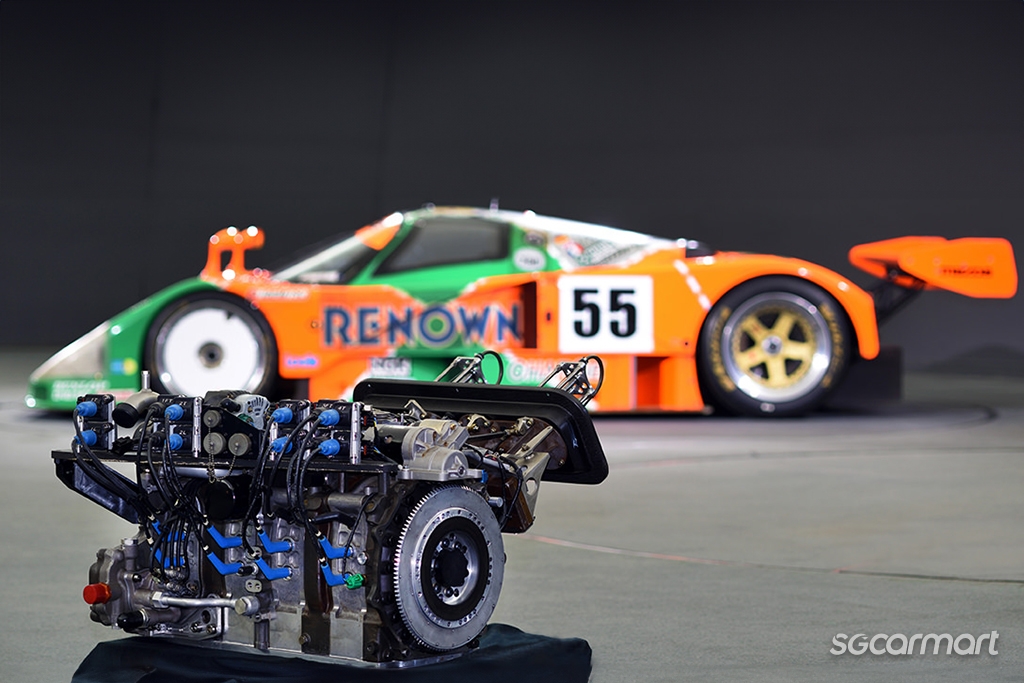
    Mazda's Le Mans legend 787B was equipped with a four-rotor engine

    In fact, Mazda's own legendary Le Mans-winning 787B was equipped with a four-rotor 26B engine that produces 690bhp at 9,000rpm!
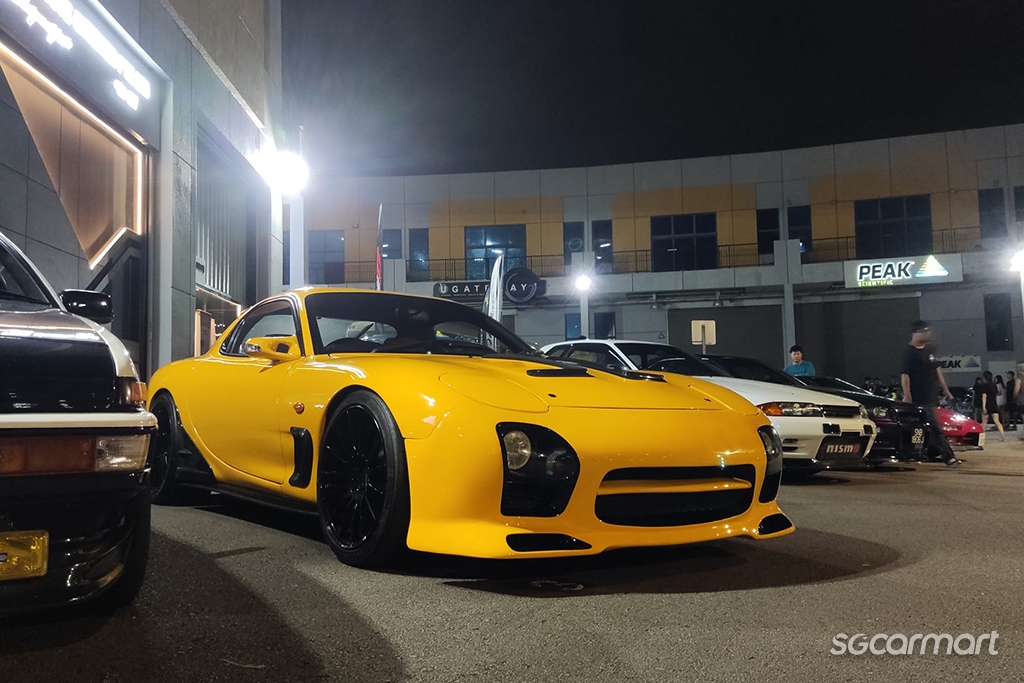
    Rare, expensive and eccentric

    There aren't many RX-7 FDs left in Singapore, and there's currently just one unit on the used car market, asking for a price that works out to over $60,000 in annual depreciation. Such ludicrous pricing means it wouldn't make much sense to buy an RX-7 FD even if you are attracted to it.

    Additionally, rotary engines, while unique, aren't known to be the easiest to maintain. Anecdotes suggest these engines typically require a rebuild every 100,000km or lesser - normal piston engines would only require a major servicing at such a mileage. Furthermore, the quirkiness of the rotary engine means you'll need to approach specialist workshops to ensure the best care for them as well.

    Hence, owning an RX-7 FD is not something that is easily achievable in Singapore, nor would it make plenty of sense - especially with the LTA regulations restricting you from heavily modifying these cars, which is what they are really meant for, if you were to ask me.
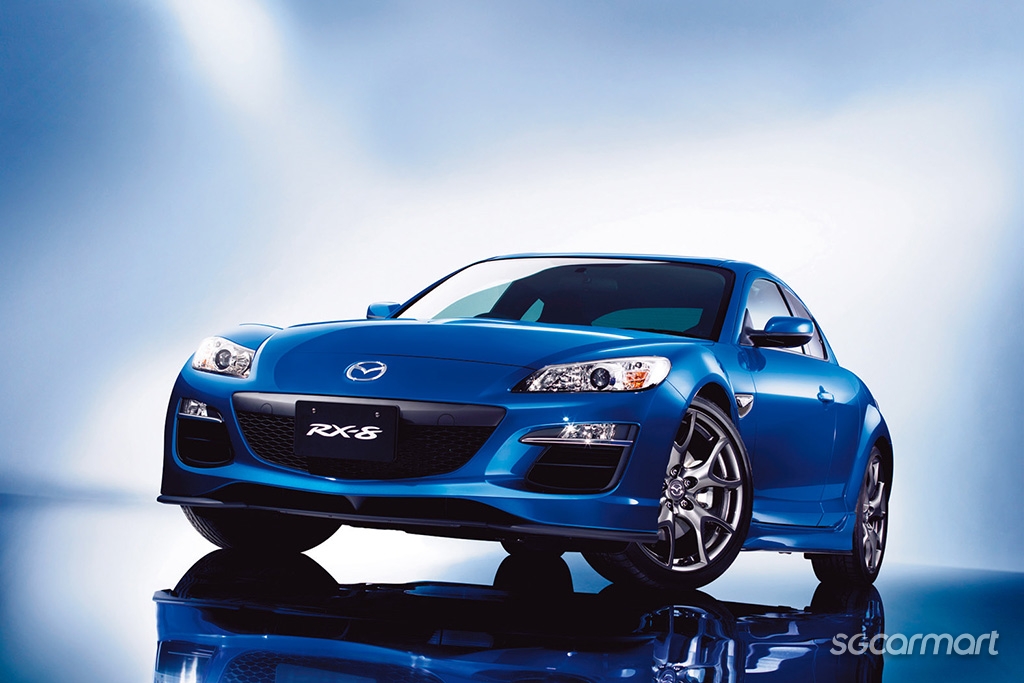
    If you want to experience a rotary engine-powered car, the RX-8 might be the best bet these days

    If you still want to drive something that is powered by a rotary engine, a Mazda RX-8, the successor of the RX-7, would be your best choice - these are still available in the market for a reasonable cost. However, the RX-8 isn't turbocharged and its shape is a drastic departure from the RX-7 FD's timeless design.

    Enjoyed reading about the RX-7 FD? Here are some other iconic cars that you can read about:

    Motoring Icons: JDM Legends - Toyota Corolla AE86

    Motoring Icons: JDM Legends - Mazda NA MX-5

    Motoring Icons: JDM Legends - Honda Civic VTi/SiR (EG6)

    Goh Zhi Xuan
    Story by Goh Zhi Xuan
    Zhi Xuan is still living in the 80s when it comes to cars. The irony - he's born in 95'.
    Photos by Goh Zhi Xuan, Mazda, Initial D Wiki, Google Images, rx7central.com - Akomix, Facebook: RE Amemiya, SCOOT Sports, A'PEXI USA, PPRE
    24.4k

    Tags

    motoring icons jdm jdm legends sports car performance car mazda mazda rx7 mazda rx-7 rotary rotrary engine wankel engine japan domestic market turbocharged twin-turbocharged

    Newsletter

    Be Notified On The Latest News

    Newsletter

    Be Notified On The Latest News

    jdm golden era
    rear-wheel drive
    rwd
    car enthusiast
    car modification
    jdm golden era
    rear-wheel drive
    rwd
    car enthusiast
    car modification

    You May Also Like

    Get your next rental from AKA Car Rental

    Get your next rental from AKA Car Rental

    New to driving? Here's how to become a better driver

    New to driving? Here's how to become a better driver

    Sgcarmart Explores: 2026 National Day Edition!

    Sgcarmart Explores: 2026 National Day Edition!

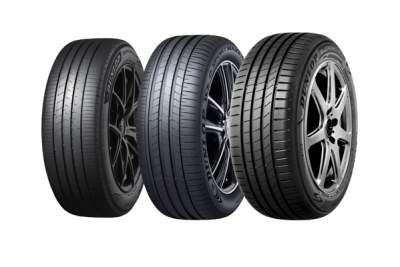
    Dunlop's new tyres for an electrified world

    Dunlop's new tyres for an electrified world

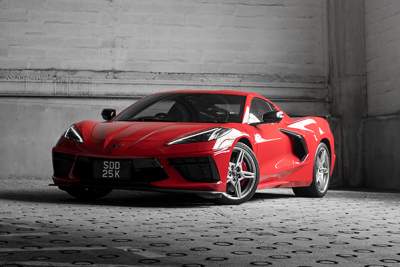
    Corvette Stingray Review

    Corvette Stingray Review

    Omoda & Jaecoo is forging ahead with its Super AI cockpit

    Omoda & Jaecoo is forging ahead with its Super AI cockpit

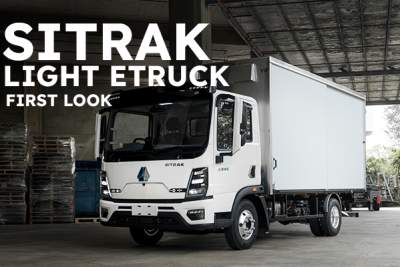
    A first look at the Sitrak Light eTruck!

    A first look at the Sitrak Light eTruck!

    The new Pirelli Cinturato Rosso with Seal Inside Tech!

    The new Pirelli Cinturato Rosso with Seal Inside Tech!

    You May Also Like

    Get your next rental from AKA Car Rental

    Get your next rental from AKA Car Rental

    New to driving? Here's how to become a better driver

    New to driving? Here's how to become a better driver

    Sgcarmart Explores: 2026 National Day Edition!

    Sgcarmart Explores: 2026 National Day Edition!

    Dunlop's new tyres for an electrified world

    Dunlop's new tyres for an electrified world

    Corvette Stingray Review

    Corvette Stingray Review

    Omoda & Jaecoo is forging ahead with its Super AI cockpit

    Omoda & Jaecoo is forging ahead with its Super AI cockpit

    A first look at the Sitrak Light eTruck!

    A first look at the Sitrak Light eTruck!

    The new Pirelli Cinturato Rosso with Seal Inside Tech!

    The new Pirelli Cinturato Rosso with Seal Inside Tech!

    Related Articles

    Ferrari 849 Testarossa Spider: What you must know

    Ferrari 849 Testarossa Spider: What you must know

    Is parallel import hesitancy growing among car buyers?

    Is parallel import hesitancy growing among car buyers?

    The rise of PHEVs: A closer look at the numbers

    The rise of PHEVs: A closer look at the numbers

    Which electric vehicle charging provider should you use?

    Which electric vehicle charging provider should you use?

    Sgcarmart Explores: Bras Basah!

    Sgcarmart Explores: Bras Basah!

    Potential fixes to our COE system

    Potential fixes to our COE system

    VINCAR Group strengthens partnership with Grab

    VINCAR Group strengthens partnership with Grab

    iCaur: The new fun-loving kid on the block

    iCaur: The new fun-loving kid on the block

    Related Articles

    Ferrari 849 Testarossa Spider: What you must know

    Ferrari 849 Testarossa Spider: What you must know

    Is parallel import hesitancy growing among car buyers?

    Is parallel import hesitancy growing among car buyers?

    The rise of PHEVs: A closer look at the numbers

    The rise of PHEVs: A closer look at the numbers

    Which electric vehicle charging provider should you use?

    Which electric vehicle charging provider should you use?

    Sgcarmart Explores: Bras Basah!

    Sgcarmart Explores: Bras Basah!

    Potential fixes to our COE system

    Potential fixes to our COE system

    VINCAR Group strengthens partnership with Grab

    VINCAR Group strengthens partnership with Grab

    iCaur: The new fun-loving kid on the block

    iCaur: The new fun-loving kid on the block