38 public transport fares articles
 LTA News
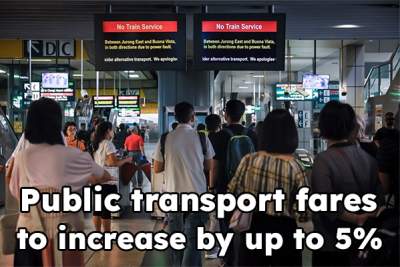
Public transport fares to increase by up to 5%
 LTA News
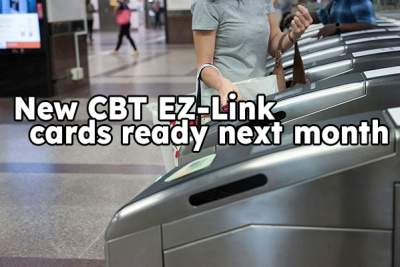
EZ-Link card collection for eligible commuters from 18 Mar
 LTA News
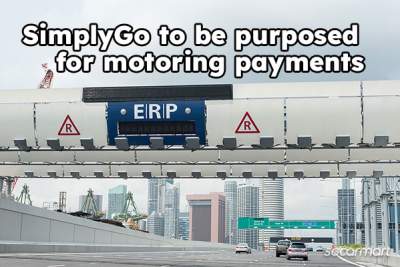
Plans to purpose SimplyGo for motoring payments in progress
 Features
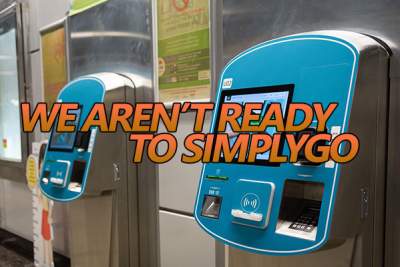
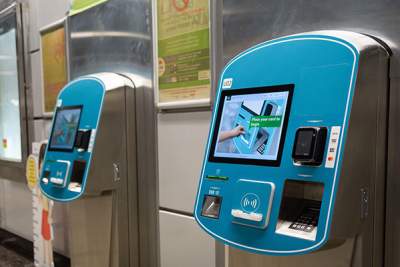
Singapore isn't ready to SimplyGo
 LTA News
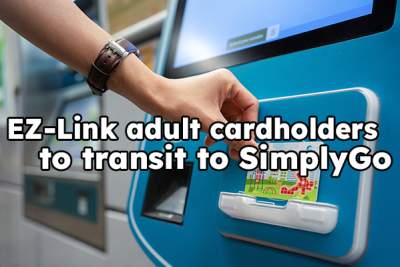
LTA reverses decision on transition to SimplyGo platform
 LTA News
EZ-Link Adult cardholders to go onboard SimplyGo by 1 June
 MRT News
Public transport fares headed for 2.9% hike come 26 December 2022
 MRT News
Public transport fares to go up come 26 December
 MRT News
No increase in public transport fares this year
 MRT News
Bus, train fares to rise by 7%
 MRT News
Fares could go up by 7% as Public Transport Council begins review
 Other News
Diesel duty hike's impact on public transport fares expected to be minimal
 Other News
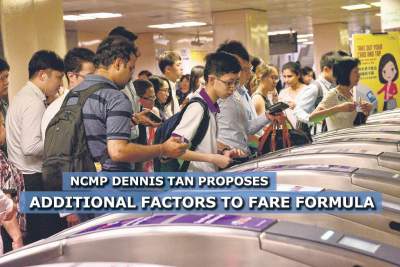
NCMP Dennis Tan proposes additional factors to fare formula
 LTA News
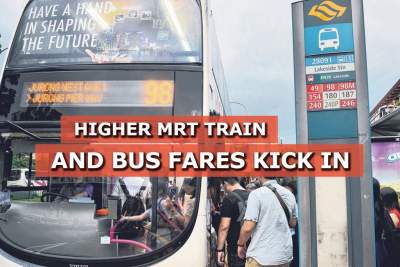
Higher MRT train and bus fares kick in
 Other News
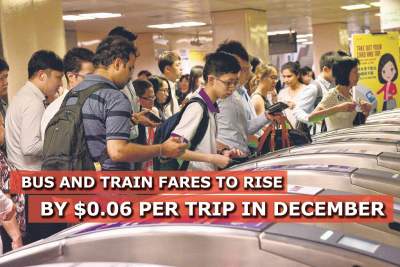
Bus and train fares to rise by $0.06 per trip from December
 Other News
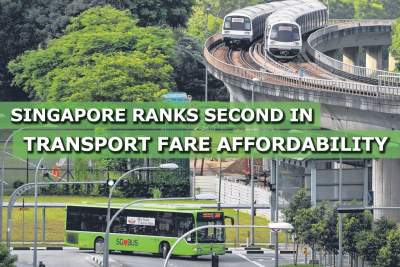
Singapore ranks second in transport fare affordability
 Other News
Bus and train fares set to rise by as much as 4.3%
 Other News
Parliament: Fares likely to rise as Government spends more on public transport
 MRT News
Discount for commuters who enter stations before 7:45am on weekdays
 Other News
Off-peak bus, train fares may become permanent