More space, greater practicality, and a wider spread of electrified powertrains headline the changes to the new Mercedes-Benz GLA. The redesigned SUV gains a longer wheelbase, a larger luggage compartment, and a choice of fully electric powertrains, while electrified hybrid versions are scheduled to arrive in early 2027.
While the new GLA adopts a sportier look than before, the changes extend beyond styling. The SUV sits 20mm lower than its predecessor and rides on a wheelbase that is 61mm longer, helping to create additional room for occupants. Rear passengers benefit from 38mm more legroom, while headroom has also increased for those seated in both rows.
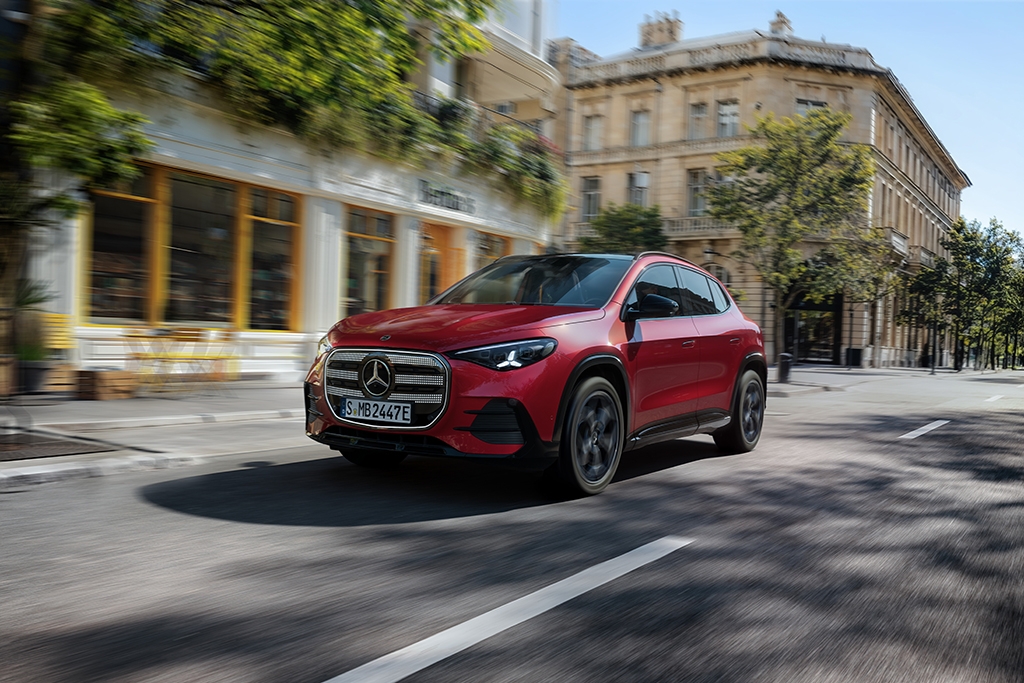
At launch, the new GLA will be available in three fully electric variants. The GLA200 electric produces 165kW and uses a 58kWh battery, while the GLA 250+ develops 200kW and is equipped with an 85kWh battery. The range-topping GLA350 4MATIC electric features a dual-motor setup producing 260kW and is capable of completing the century sprint in 5.4 seconds.
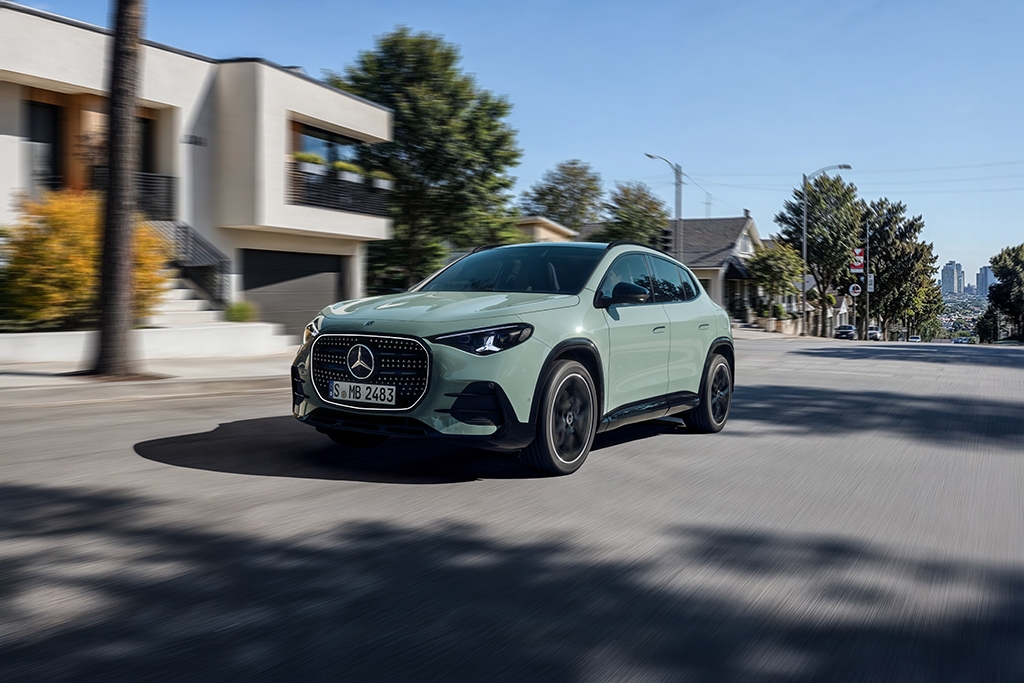
Mercedes-Benz quotes a maximum driving range of up to 657km (WLTP) for the electric GLA. The model also adopts an 800V electrical architecture, allowing up to 270km of driving range to be added in 10 minutes of charging at a direct current charger.
Practicality has also been improved. The rear luggage compartment now offers up to 410 litres of capacity, while electric variants gain an additional 107-litre front storage compartment. A standard 40:20:40 split-folding rear bench further improves flexibility when carrying larger loads.
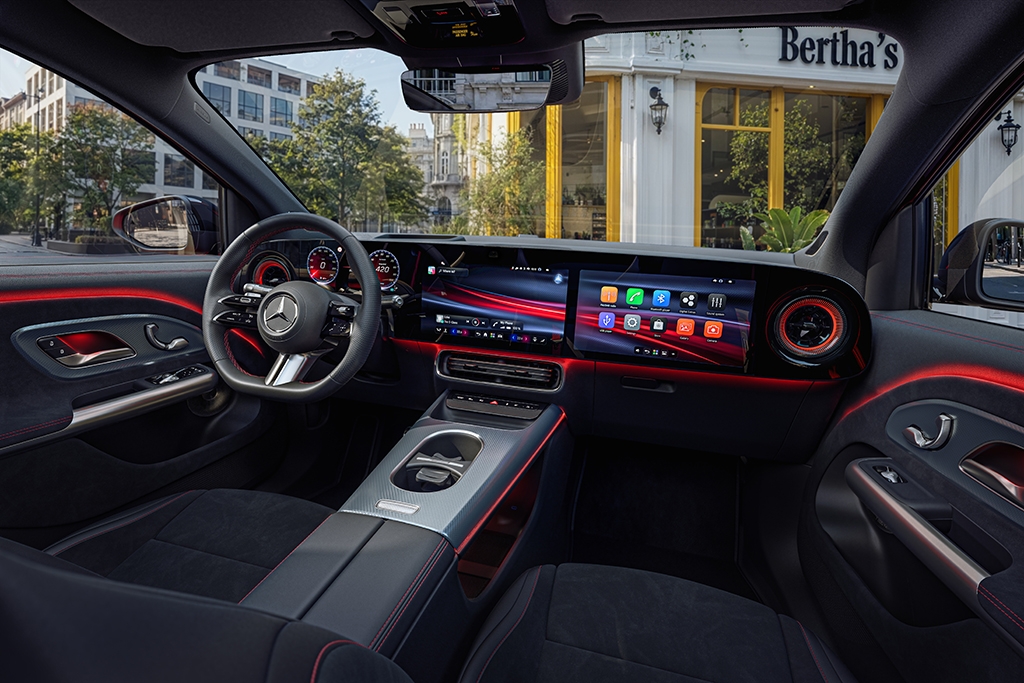
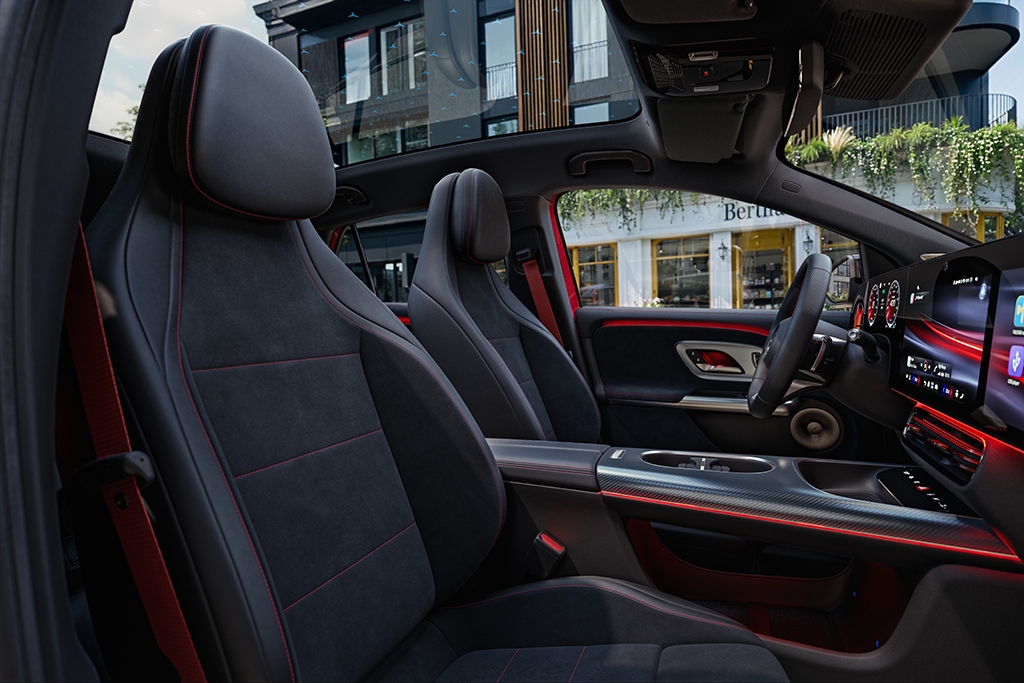
Inside, the cabin has been completely redesigned around Mercedes-Benz's latest MBUX operating system. A new Superscreen layout spans the dashboard, while updated navigation, parking assistance and voice-control functions aim to make daily driving more intuitive.
Mercedes-Benz has also confirmed that electrified hybrid variants will join the GLA line-up in early 2027. Equipped with a new 48V system, these models will be capable of electric-only driving in certain low-speed situations while also supporting energy recuperation and coasting functions.