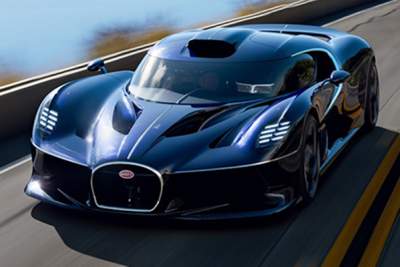
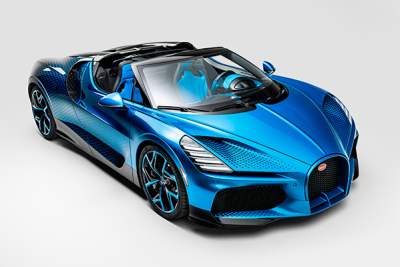
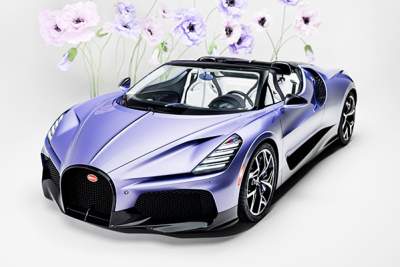
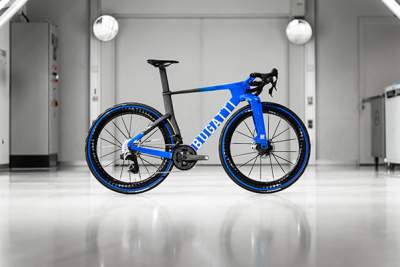
With its Veyron and Chiron super sports cars, Bugatti has established a position as a pioneer for new technical developments and innovations in the extreme performance sector of the automotive industry over the past few decades and has set breathtaking performance data and records.


But that is by no means all. While the main material used for the additive production of vehicle components to date has been aluminium, the new brake caliper is made from titanium. This is therefore the world's largest functional component produced from titanium using 3D printing processes.
This new milestone in the development of 3D printing was reached in cooperation with Laser Zentrum Nord of Hamburg, an institute that has formed part of the Fraunhofer research organisation since the beginning of the year.
With this world debut, Bugatti has underlined its lighthouse function for 3D printing within the Volkswagen Group and its role as an innovation driver in the international automotive industry. Vehicle trials for the use of the 3D titanium brake caliper in series production are to start in the first half of the year.
"Vehicle development is a never-ending process. This is particularly true at Bugatti," says Frank Gotzke, Head of New Technologies in the Technical Development Department of Bugatti Automobiles S.A.S. "In our continuing development efforts, we are always considering how new materials and processes can be used to make our current model even better and how future vehicles of our brand could be designed."