14 additional registration fee articles
 LTA News
LTA to revise VES and extend EEAI
 Features
COE Analysis Apr '24: Every category is finally below $100k
 Features
Mid-2023 leaderboard: Toyota leads, BYD and Tesla in Top 10
 Features
March 2023: COE supply projected to fall uniformly, even as Cat A, B and E premiums all stand at record highs
 LTA News
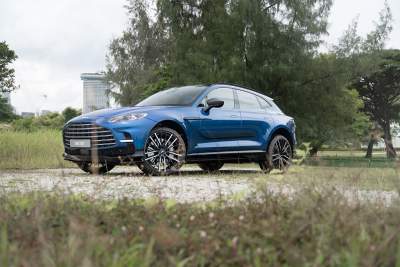
Budget 2023: From Mercs to Maseratis, luxury cars to get more expensive still as ARF system heavily revised
 Other News
New initiatives to be implemented to encourage use of electric vehicles
 Car Buying Advice
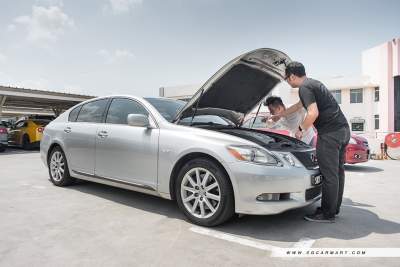
Six crucial components to consider before buying a used car
 Other News
Owners get incentives to de-register older, more pollutive motorcycles
 Other News
Hybrid cars are hot in Singapore
 COE News
Rise in COE premiums led by motorcycle category
 COE News
COE prices rose slightly at the first tender for this year
 COE News
More motorists opting to renew their COEs
 Other News
Luxury car sales tumble in second half of 2013
 Car Buying Advice
What are the differences between PARF cars and COE cars?